
Why We Started Keeping Failure Records Instead of Sales Records
In 2008 the first heating elements that came out of our plant in Huangdao were sold on the basis of what they could do: heat per square metre, warm-up time, thickness. Seventeen years later, the more useful document in the building is not the datasheet. It is the failure log — the record of which construction failed, where, after how long, and under what conditions.
That shift matters to buyers more than it sounds. When a purchasing manager compares a mat at 160 W/m² against a mat at 200 W/m², or a film with a copper busbar against a film with a tinned copper braid, the difference between those options does not show up on the datasheet. It shows up in year four, in one room, in one failure mode. This article sets out what our failure records and test records actually show about the construction choices buyers make every week, and which of those choices are worth paying for.
Nothing here is a claim that one construction is universally better. Every construction in this article has a case where it is the right answer. What we can offer is seventeen years of seeing which ones fail, how, and what that costs the buyer who specified them.
What Our Test Bench Actually Measures Before a Mat Leaves the Plant
Every element we ship goes through the same sequence, and the record of that sequence travels with the consignment. The sequence is not unusual; what is worth explaining is why each step exists and what failure it catches.
Continuity and resistance. Measured cold, compared against the calculated value for the element length and wattage. A reading outside tolerance means the element has been damaged during winding or termination, and the mat will either underheat or overheat in service. This is the cheapest test and the one that catches the most problems at source.
Insulation resistance. Measured between the conductor and the earth path at a test voltage, with a minimum acceptance value applied. This catches the defects that continuity cannot: a pin-hole in the dielectric, a termination where the insulation has been nicked, a busbar connection where a strand has bridged. Insulation resistance is the test that matters most in the field as well, because it is the one an installer can repeat at handover and compare against our record.
High-voltage withstand. A short-duration overvoltage applied between conductor and earth. This is a destructive-by-design test in the sense that a marginal element will fail it rather than fail in a floor three years later. It is the step that catches dielectric weakness that insulation resistance at a lower voltage would pass.
Power check at rated voltage. Confirms the element actually delivers the wattage on the label, which matters because wattage is what the circuit design was based on. A mat that draws 8% more than its label was the reason a circuit that should have been at 3.4 kW tripped a 16 A breaker on a cold morning.
Visual and dimensional. Checked against the drawing, because a mat that fits the room at manufacture but not the drawing becomes a site modification, and site modifications are where terminations get compromised.
The reason this matters to a buyer comparing suppliers is not that our sequence is unique. It is that a supplier who cannot send you the record of these tests is a supplier whose quality claim rests on a sample, and a sample is not a shipment.
Failure Mode One: the Termination, Not the Element
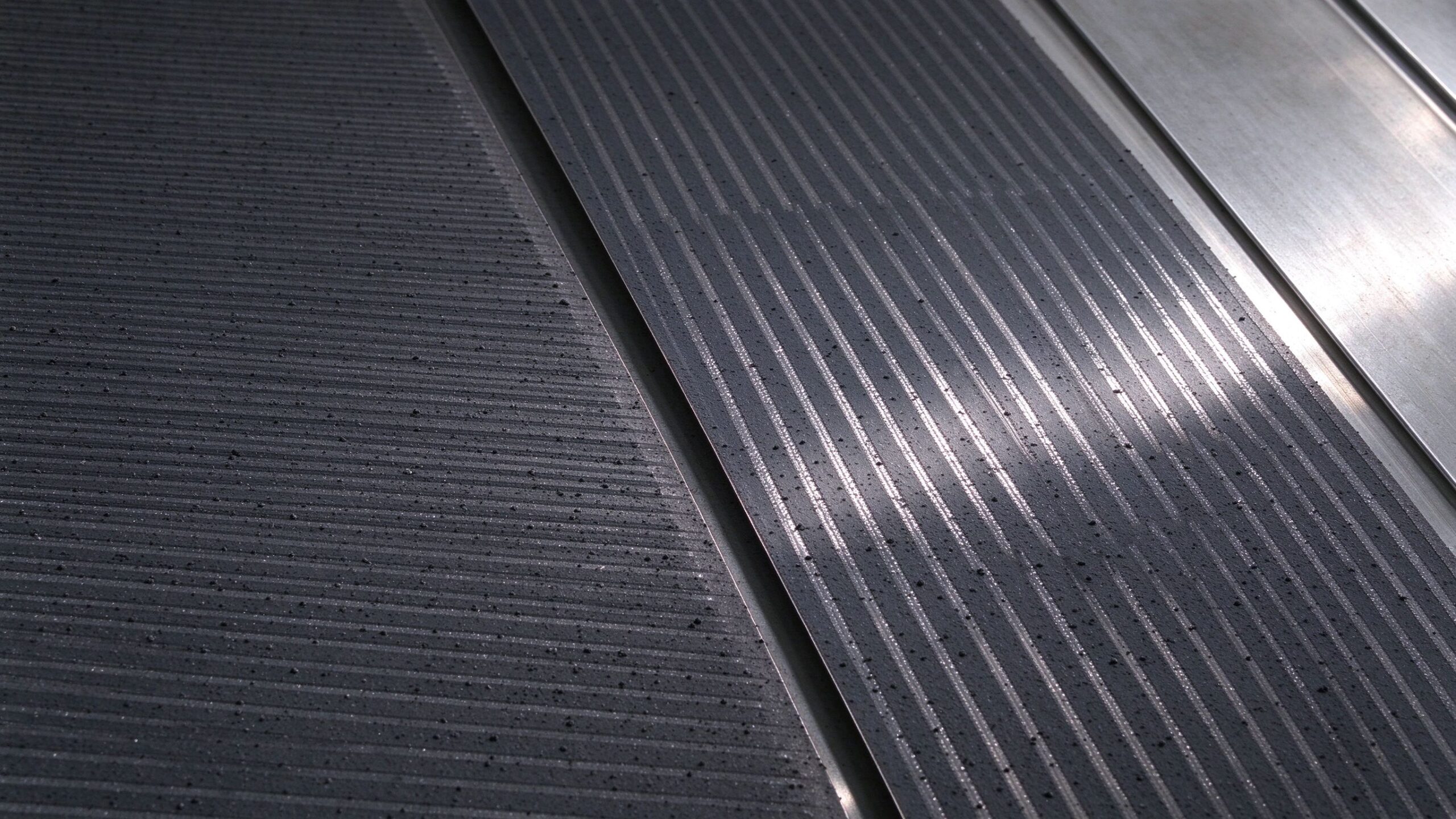
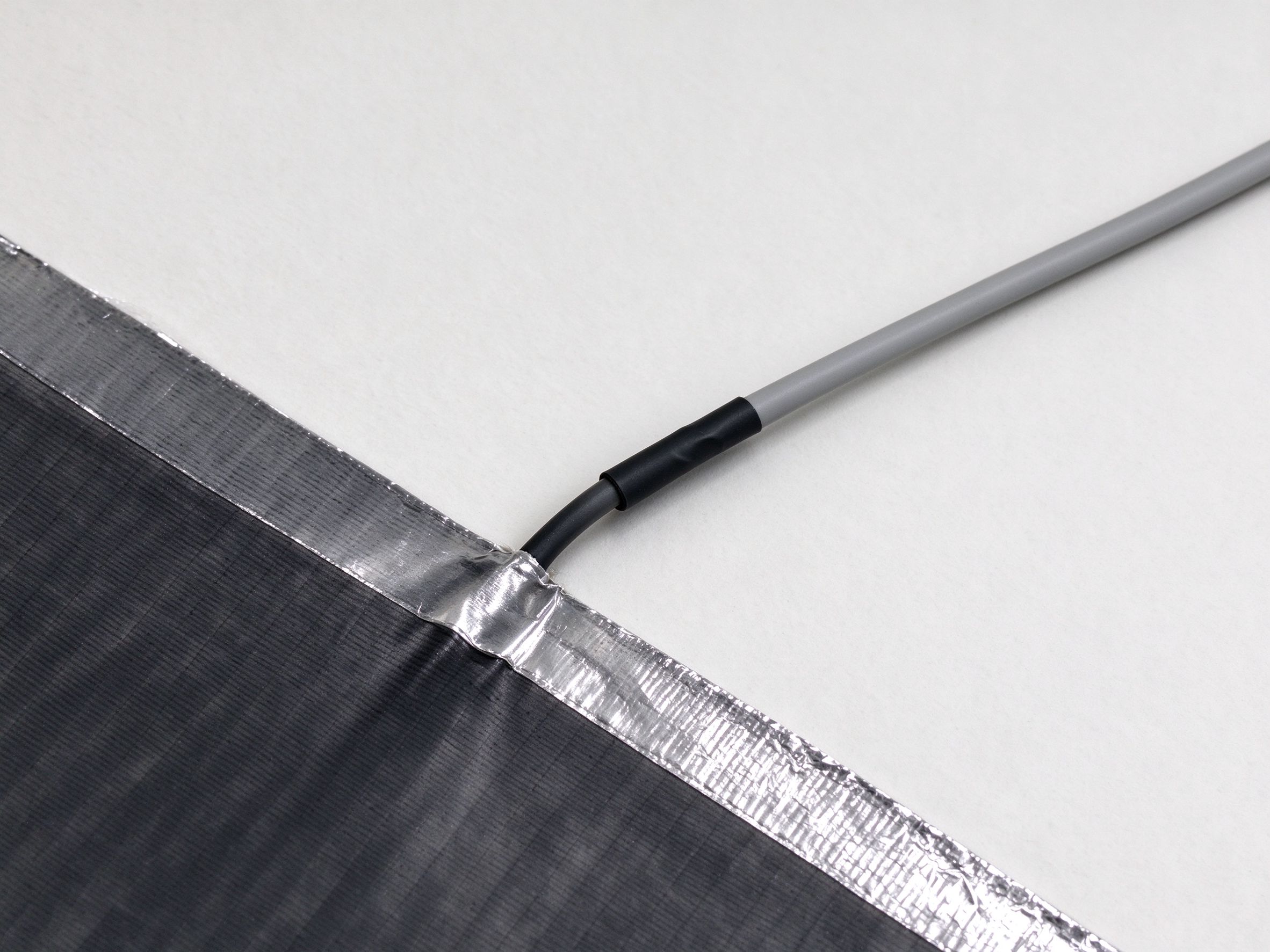
Across our failure records, the single largest category is not a failed heating element. It is a failed termination — the point where the cold lead meets the heating element, or where the element meets the supply.
The mechanism is consistent. A termination is the one place in a mat where two different materials with two different expansion behaviours meet, where the dielectric is thinnest in practice, and where moisture has the shortest path to a conductor. Every one of those three facts gets worse in service:
- Thermal cycling. A floor heating circuit cycles between cold and warm perhaps a thousand times a year. A termination that was sound at installation can develop a high-resistance joint after a few hundred cycles, and a high-resistance joint runs hotter than the element it serves, which accelerates the degradation.
- Moisture path. A termination in a screed is surrounded by material that is damp for the first heating season and can be damp again after a leak or a flood. Seal quality at the termination decides whether that moisture reaches the conductor.
- Mechanical stress. Cable entering a mat at a corner, a floor probe routed past the termination, a screed edge that moves — all of these load the termination rather than the element.
The purchasing implication is direct. When comparing two mats at similar wattage and price, ask what the termination construction is, how it is sealed, and whether the manufacturer’s test record covers the termination specifically or only the element. A mat with a well-sealed, mechanically protected termination at a slightly higher price is usually the better buy over a ten-year horizon, and it is almost never the option a price-only comparison selects.
Failure Mode Two: Busbar and Current Collection
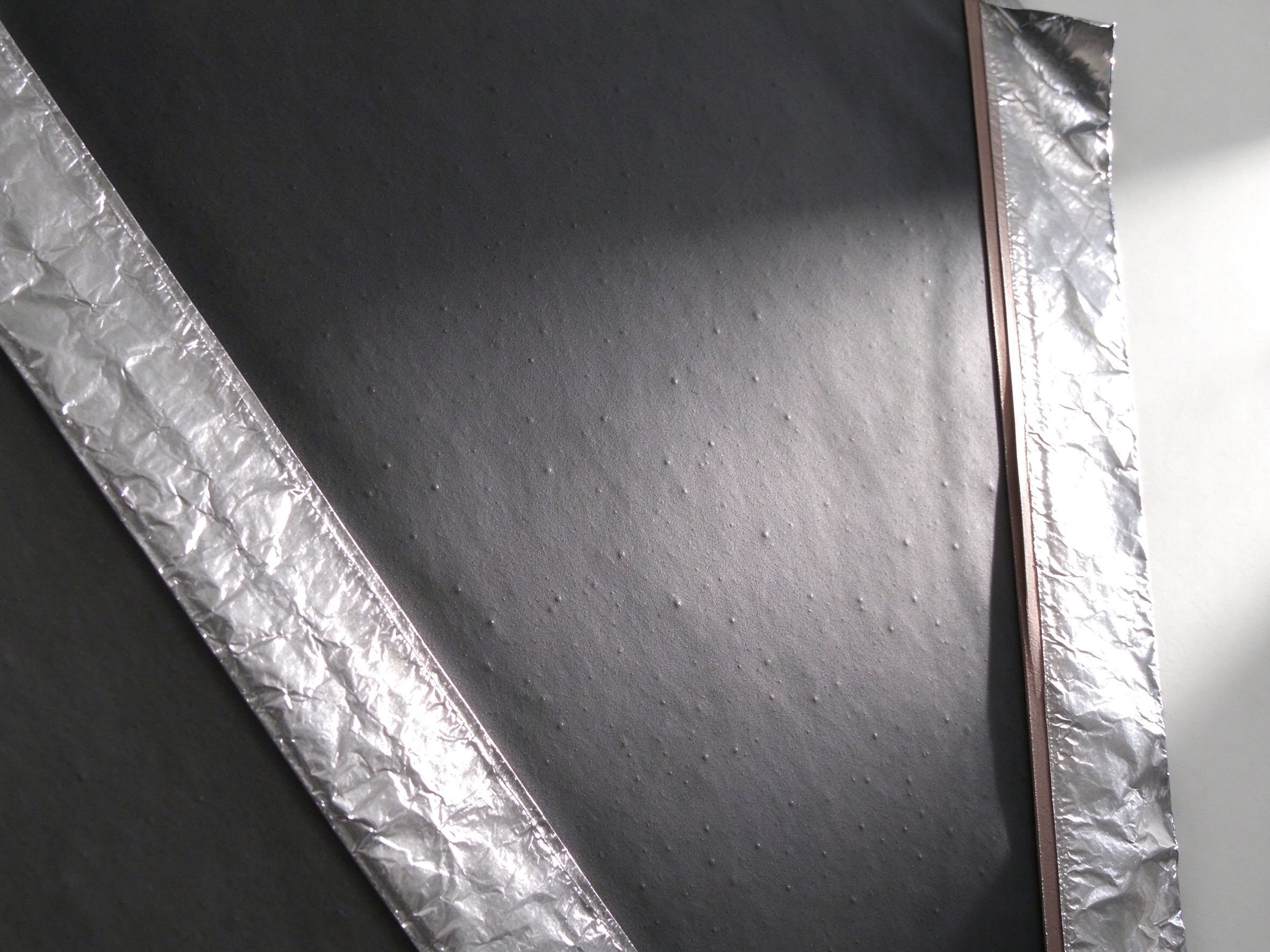
In film elements, the busbar is where current is collected and delivered to the heating tracks. It is also the part of the construction most sensitive to the quality of the joint between the busbar and the heating layer.
Two construction families dominate, and they fail differently:
Copper strip or copper braid busbar carries current with low resistance and tolerates high current density well. Its weakness is the connection to the heating layer and its behaviour under repeated thermal cycling, where differential expansion between copper and the film can loosen a joint that was acceptable at manufacture. A loose joint raises local resistance, which raises local temperature, which accelerates the loosening.
Tinned or plated busbar trades some conductivity for corrosion resistance at the joint, and is usually the better choice in humid installations and in constructions where the busbar is close to the edge of the element. Its weakness is that a plated joint that is not clean at the time of bonding can fail in a way that is harder to detect at manufacture and shows up as a hot spot in service.
The practical difference for a buyer is not which is better in the abstract. It is whether the supplier can tell you the current density the busbar was designed for, and whether the busbar-to-layer joint is covered by a test that would catch a marginal bond. A supplier who answers “our busbar is high quality” has not answered the question.
Failure Mode Three: the Element Under a Load It Was Not Designed For
The third category is not a manufacturing defect at all; it is a specification error, and it is the one buyers most often make without noticing.
A film or mat element has a maximum continuous surface temperature and a maximum watt density, both set by the dielectric and the construction. Exceed either and the element’s life shortens in a way that no test at manufacture can predict. The two common routes to exceeding them are:
Covering the element with insulation on both sides. A mat designed to dissipate heat into a floor finish and upward into a room, laid on insulation board and then covered with a thick insulating underlay and a carpet, is a mat running hotter than its design case. The thermostat will regulate the air temperature; it will not regulate the element temperature, and the element temperature is what limits life.
Running a mat at a watt density suited to a different construction. 200 W/m² is a legitimate density for some constructions in some applications, and an aggressive one for a thin mat under a thick finish. The datasheet will state the density; it will not always state the finish the density assumes.
The fix belongs in the specification, not in the warranty negotiation. Ask for the maximum continuous element temperature, the watt density the construction is rated for, and the floor build-up the rating assumes. Then compare against the actual build-up in the room. Where the two do not match, reduce the density or change the construction.
What Seventeen Years Changes About a Standard Product Line
Our current mat range is not dramatically different from what we made a decade ago in its basic architecture. What has changed is the number of decisions that are now made deliberately rather than by default.
Termination sealing became a specified process, not an operator skill. The largest single improvement in our field return rate came from standardising the termination rather than from changing the element. That is a statement about where failures happen, and it is worth more to a buyer than any wattage increment.
Test records became shipment documents. Every consignment carries the continuity, insulation resistance, withstand and power check values for the elements in it. An installer can compare the handover reading against the factory reading and know within minutes whether a fault is in the element or in the installation.
Wattage tolerances tightened. A mat that draws materially more than its label moves the circuit calculation, and the circuit calculation is what the electrician designs protection around. Tightening the tolerance removed a class of site problem that used to be blamed on the protection device.
Construction options multiplied, and the specification got harder. We now offer mat, film and cable constructions in a range of densities because buyers genuinely need different things. That also means the buyer has more ways to specify the wrong one, which is why our enquiry process now asks for the build-up and the application before quoting a density.
Selection Implications: Where the Money Is Worth Spending
The table below is how we would answer a buyer who asks where to put the budget when comparing three quotes at different prices. It is based on our failure records, not on a general preference for thicker or heavier constructions.
| Construction decision | Where cheap usually fails | When the upgrade is worth paying for | When it is not |
|---|---|---|---|
| Termination sealing and mechanical protection | Unsealed or tape-only termination; no mechanical protection at the entry point | Always, in any wet-build floor and any installation where the termination sits in screed | Rarely; this is the highest-return upgrade in the list |
| Busbar material and joint quality | Thin copper with an uncontrolled bond; no stated current density | Humid installations, long elements, high current density, coastal or agricultural buildings | Short elements in dry, well-insulated floors where current density is low |
| Watt density headroom | Running at the maximum density for the construction with a heavy finish above | Thick finishes, underlay plus carpet, furniture-loaded areas, rooms with poor ventilation | Thin tile finishes over insulation board with free air movement |
| Screen or earth path continuity | Screen bonded at one end only, or bonded through a connection that corrodes | Any foil-screen construction; any installation where the mat is the only earth path for the finish | Never optional where a screen is part of the construction |
| Cold lead length and routing | Lead too short, forcing the termination into an inaccessible position | Always, when the termination position is fixed by the floor layout | Rarely; lead length is cheap to specify correctly and expensive to correct later |
What a Buyer Should Ask a Manufacturer
Not a supplier questionnaire with forty boxes. Five questions that a manufacturer with records can answer in a day, and a manufacturer without records cannot answer at all.
| # | Question | What a good answer looks like |
|---|---|---|
| 1 | What is your field return rate by failure category, and what is the largest category? | A percentage, a category breakdown, and an acknowledgement that termination failures lead it |
| 2 | What tests does every element go through, and does the record ship with the consignment? | Continuity, insulation resistance, withstand, power check; a sample record attached |
| 3 | What is the termination construction, and how is it sealed and protected? | A described process, not an adjective; a photo of the sealed termination |
| 4 | What maximum continuous element temperature and watt density does this construction carry, and what build-up does that assume? | Numbers, and a statement of the finish the numbers assume |
| 5 | What is the wattage tolerance on the finished element? | A percentage band, tight enough that the circuit design is not disturbed |
A manufacturer who can answer one through five is a manufacturer whose datasheet you can rely on when you compare the sixth quote. A manufacturer who answers with adjectives is asking you to take a risk that will surface in year three, in one room, with your name on the purchase order.
Data and Evidence
SunAura Thermal has manufactured flexible heating elements at its plant in Qingdao’s Huangdao district since 2008. The site operates under ISO 9001 for quality management, ISO 14001 for environmental management and ISO 45001 for occupational health and safety, with certification covering the manufacturing processes described in this article. European-market products carry CE marking supported by Low Voltage Directive and EMC documentation, with RoHS material compliance declarations. We export to more than 50 countries across Europe, North America, Asia-Pacific and the Middle East.
The failure categories described here come from our own field return records and are stated in the terms we use internally: termination, busbar and joint, element overload from specification, and handling damage. We do not publish a single aggregate return rate because an aggregate hides exactly the information a buyer needs; the useful number is the category split, and that is what we share with buyers who ask.
The test sequence described follows the applicable parts of IEC 60335-2-96 for flexible sheet heating elements, which sets the leakage current and insulation requirements for this product class, and the insulation resistance practice in IEC 60364 for installation testing. Where a national rule is stricter — for example on protective conductor continuity in wet rooms — the national rule governs, and we state which rule a test record was produced against.
FAQ
Does a higher price always mean a better construction? No. Price moves with wattage, size, certification scope and order volume as much as with construction quality. The useful comparison is construction against construction at the same size and wattage, with the five questions above answered.
Is insulation resistance enough to prove a mat is sound? It proves the dielectric is intact at the moment of test, which is the most useful single field measurement. It does not prove the termination is well sealed for a wet screed, and it does not prove the wattage is correct. Those need the factory record and a power check.
Why do terminations fail more than elements? Because a termination is a material transition, a moisture path and a mechanical stress point in one place, and the element is none of those things along its length.
Can a mat fail because the floor finish was too thick? Yes, through element overheating rather than through an electrical fault. The thermostat controls the room; nothing controls the element temperature except the design margin in the construction.
What should I do if the factory record and the site reading disagree? Repeat the site reading with the mat isolated from the circuit, at the same test voltage, with the floor at a similar temperature. A genuine element fault reads low, stable and repeatable. A reading that moves with moisture is an installation issue, not an element issue.
Do you supply the test record with the shipment?
Yes, for every consignment, and it is the document we ask installers to keep with the handover file.
Next Step
If you are comparing heating elements and want the construction questions answered before you place an order, send us the application, the floor build-up and the wattage you are considering. We will come back with the construction we would specify, the density we would use, the termination arrangement for your layout, and the test record format you will receive with the shipment.
For buyers still at the comparison stage, our heating film roll range sets out the busbar and density options, and the busbar current collection guide explains how the current density choice follows the element length. Volume buyers can request factory test records and the failure category summary as part of the quotation, so the construction decision and the purchase order carry the same assumptions.
Ethan Sun, Founder & CEO, SunAura Thermal