
Snow Melting Mats
Modular snow melting mats for roofs, driveways, ramps and gutters — 110V/220V/240V de-icing mats, sensor-ready, factory-direct wholesale.
Snow Melting Mats — The Full Range
Every option below is manufactured in our Qingdao factory, batch-tested and ready for wholesale, retail or OEM orders.
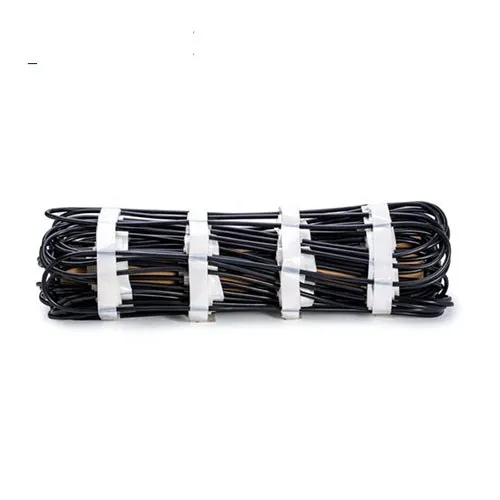
Outdoor Roof Snow Melting Mat
Modular heated mat for roof edges and gutters — 0.5 m-wide sections up to 24 m long, melts snow on contact and prevents ice dams instead of expensive manual clearing.
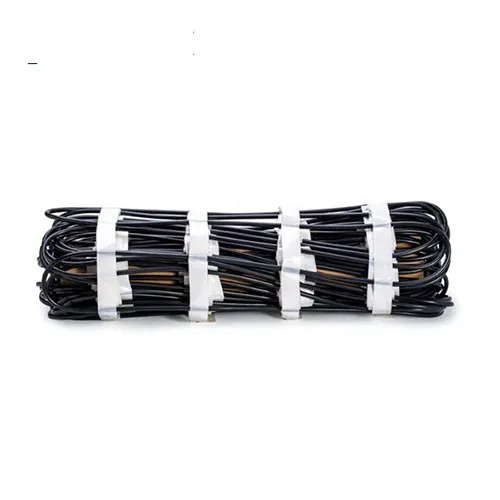
Outdoor Snow Melting Mat – 12–380 V
Wide-voltage outdoor snow melting mat covering 12 V to 380 V supply — matched to solar, vehicle-side or three-phase commercial installations, in 1–12 m² modular sizes.
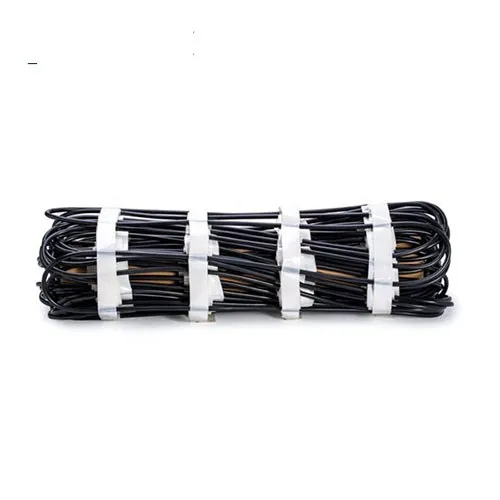
PVC Roof & Driveway Snow Melting Mat
PVC-jacketed de-icing mat for roof and driveway use — abrasion- and weather-resistant outer layer for high-traffic outdoor winter applications.
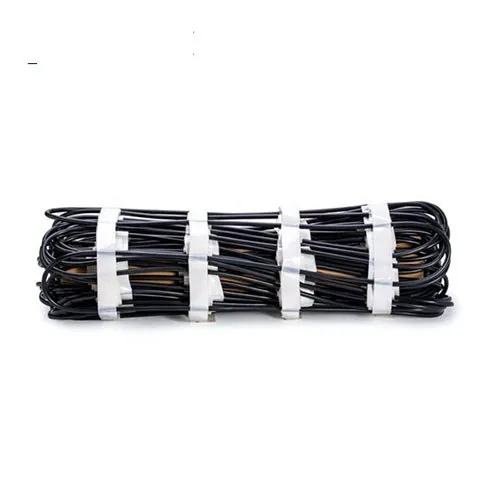
Rubber Snow Melting Mat with Cable System
Heavy-duty rubber snow melting mat built on a pre-spaced heating cable system — flexible, UV-resistant and suitable for walkways, ramps and commercial outdoor areas.
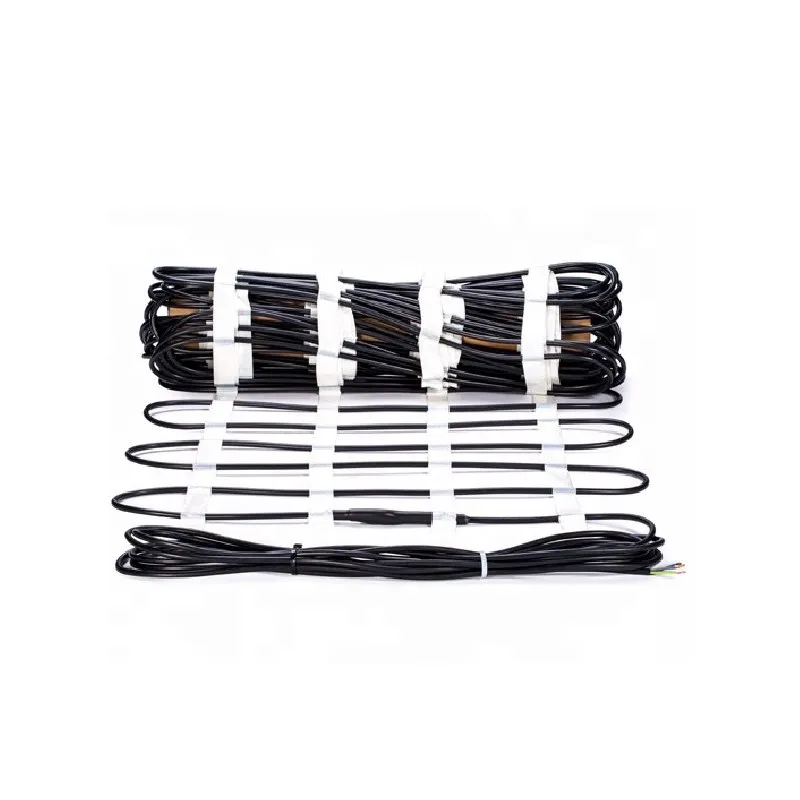
Outdoor Electric Snow Melting Mat
Plug-in electric snow melting mat for entrances, walkways and ramps — durable outdoor construction that clears snow automatically once powered.
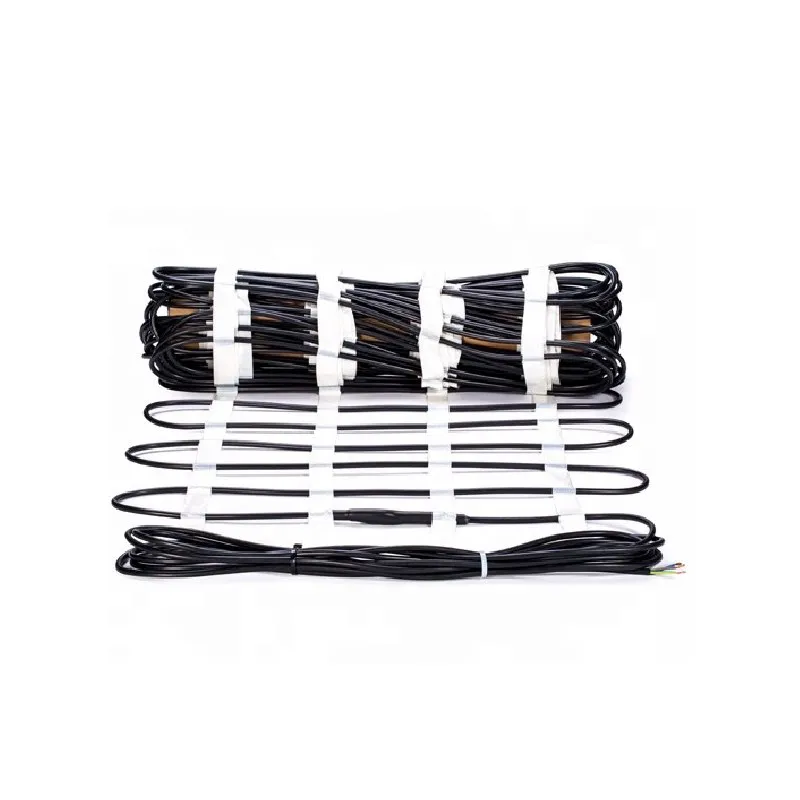
Non-Slip Walkway Snow Melting Mat
Textured non-slip heated walkway mat — melts snow within about one hour of power-on while providing a grip surface for foot traffic.
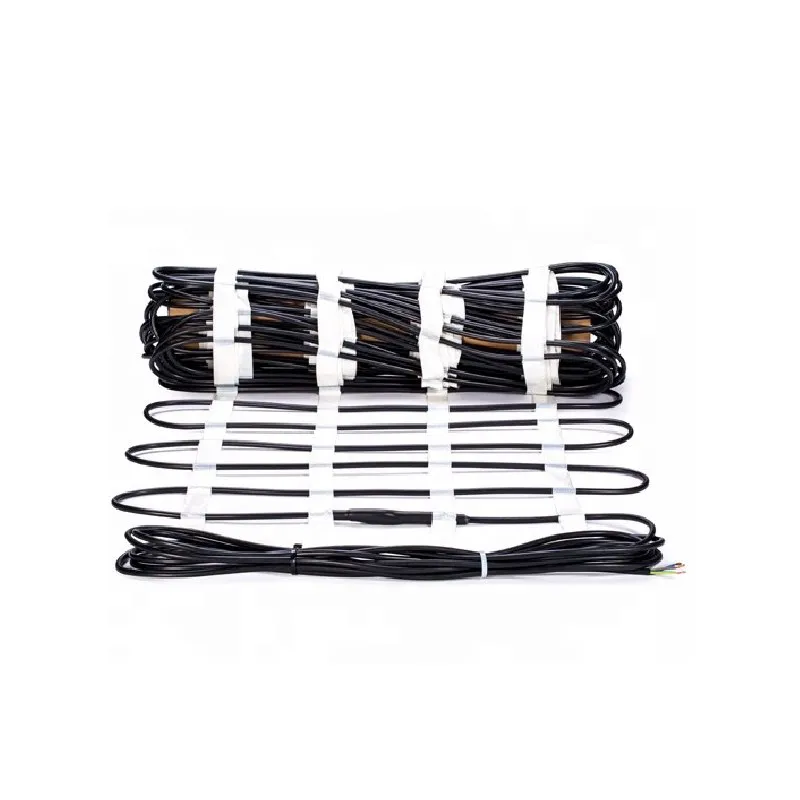
Outdoor Snow Melting Mat System
Complete outdoor snow melting mat system for roofs, pipes and walkways — modular sections scale from a single entryway to a whole commercial site.
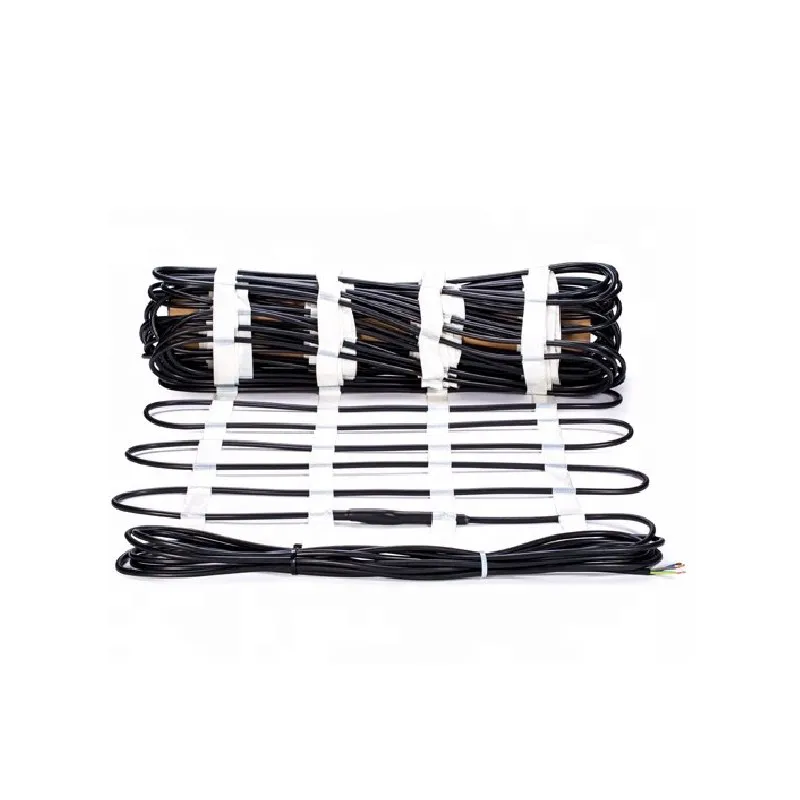
Corridor Snow Melting Mat
Narrow heated mat dedicated to corridors and covered walkways — keeps passageways ice-free in winter with low running wattage.
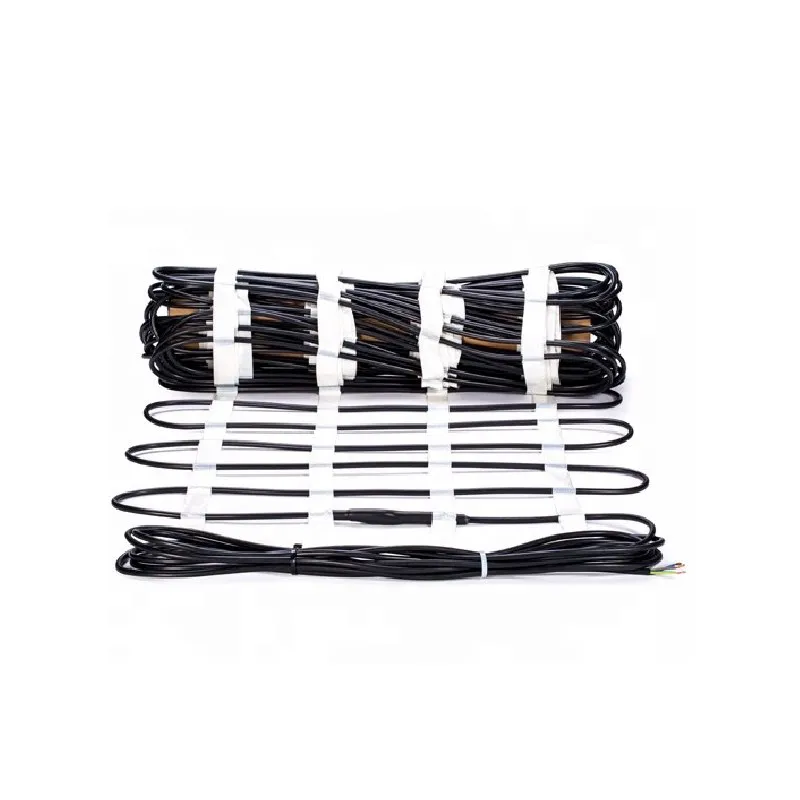
Sidewalk Snow Melting Mat
Heated sidewalk mat for public and commercial walkways — flat, durable profile that prevents snow accumulation without damaging pavement surfaces.
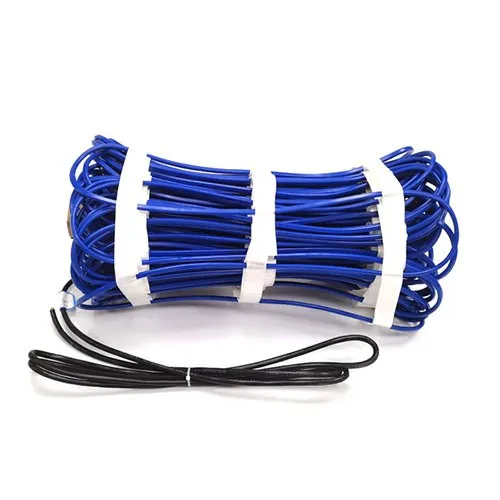
Outdoor Snow Melting Mat – 220 V, 300 W/m²
220 V outdoor de-icing mat rated 300 W/m² — mid-range density for walkways, steps and moderate-snow climates, in modular 1–12 m² sizes.
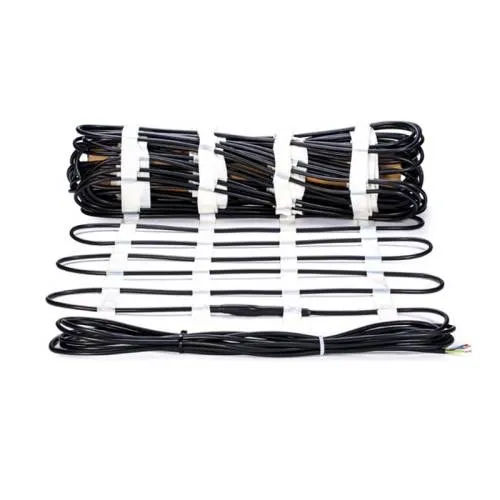
Outdoor Snow Melting Mat – 240 V, 500 W/m²
High-density 240 V snow melting mat at 500 W/m² — built for steep ramps, driveways and heavy-snow regions where fast melt is required.
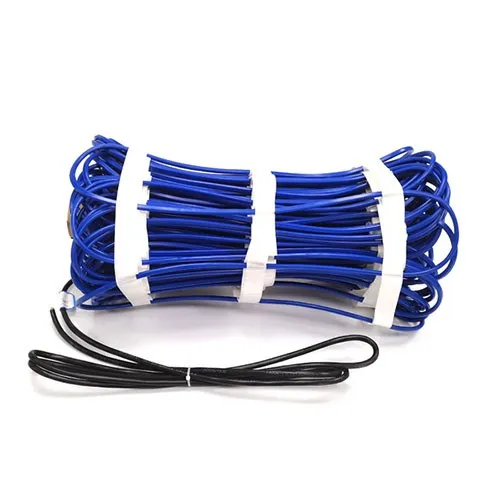
Outdoor Snow Melting Mat – 110 V, 300 W/m²
110 V 300 W/m² snow melting mat for North American residential and light-commercial circuits — walkway and entryway de-icing on a familiar mains voltage.
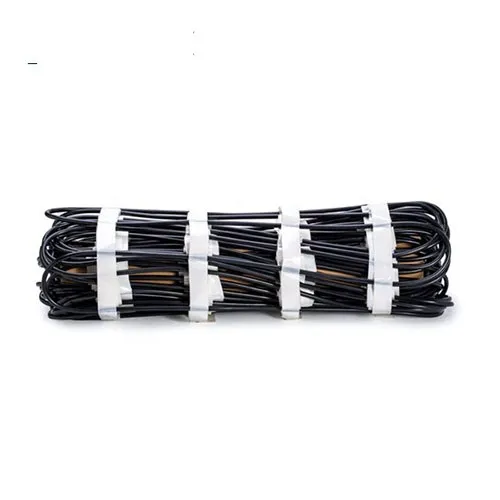
Walkway & Driveway Snow Melting Mat
Electric heated mat for walkways and driveways — modular sections lay flat over paving to keep access routes clear through winter.
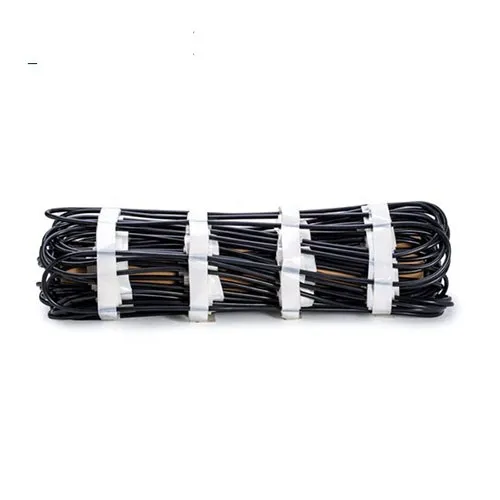
Driveway Snow & Ice Melting Mat
Driveway-grade mat for snow and ice removal — durable outdoor build that melts precipitation automatically and removes shoveling and salt damage.
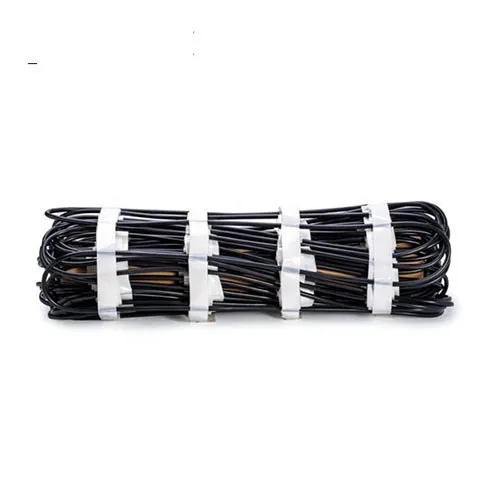
Roof & Gutter Snow Melting Mat
Roof-edge and gutter de-icing mat — keeps meltwater flowing and stops ice dams that can damage ceilings and fascia.
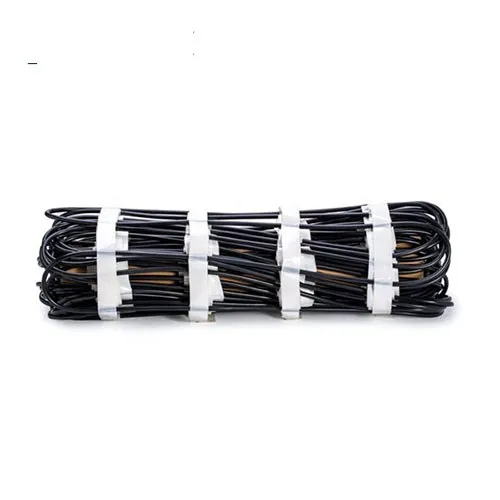
Walkway De-Icing Snow Melting Mat
Walkway de-icing mat that doubles as winter snow melting — maintains a dry, slip-free path from car to door all season.
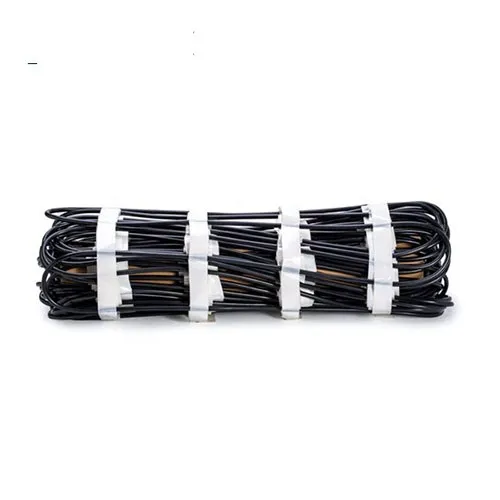
Anti-Freeze Snow Melting Mat
Anti-freeze heated mat for outdoor surfaces — low-maintenance winter protection that prevents ice formation rather than clearing it after storms.
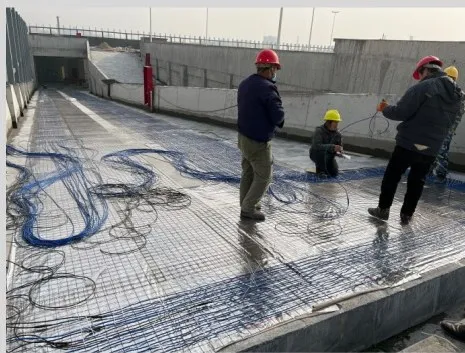
Road Snow Melting Mat
High-wattage mat engineered for ramps, access roads and high-traffic routes — compatible with snow-ice sensors for automatic activation, embed-ready under concrete or asphalt.
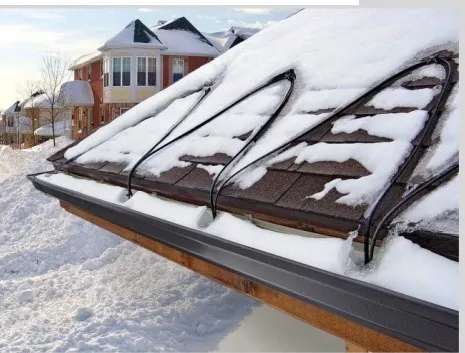
Roof Snow Melting Mat – FEP Insulated
FEP-insulated roof snow melting mat — heavy-duty element engineered to keep roof edges, valleys and gutters clear and prevent destructive ice dams.
Which Snow Melting Mats Should You Choose?
A quick decision guide by installation scenario — tap through to the full product page for specifications.
Outdoor Roof Snow Melting Mat
Modular heated mat for roof edges and gutters — 0.5 m-wide sections up to 24 m long, melts snow on contact and prevents ice dams instead of expensive manual clearing.
View specs & price →Outdoor Snow Melting Mat – 12–380 V
Wide-voltage outdoor snow melting mat covering 12 V to 380 V supply — matched to solar, vehicle-side or three-phase commercial installations, in 1–12 m² modular sizes.
View specs & price →PVC Roof & Driveway Snow Melting Mat
PVC-jacketed de-icing mat for roof and driveway use — abrasion- and weather-resistant outer layer for high-traffic outdoor winter applications.
View specs & price →Rubber Snow Melting Mat with Cable System
Heavy-duty rubber snow melting mat built on a pre-spaced heating cable system — flexible, UV-resistant and suitable for walkways, ramps and commercial outdoor areas.
View specs & price →Why Buy Snow Melting Mats Direct from the SunAura Factory
No middleman, no import layers — you negotiate directly with the manufacturer of the product you are buying.
Factory-Direct Wholesale Price
Export pricing with volume discounts for distributors, contractors and e-commerce sellers.
Low MOQ & Fast Lead Time
Flexible minimum order quantities and 7–25 day production lead times for stock lines.
OEM / ODM & Private Label
Your logo, your packaging, custom parameters — we build your brand on proven hardware.
Quality & Warranty
CE & RoHS compliant, batch-tested, with factory after-sales and warranty support.
What Are Snow Melting Mats?
Snow melting mats are pre-made, weatherproof electric panels that lie flat on roofs, driveways, ramps and gutters and melt falling snow on contact. Instead of shoveling, salting or waiting for a contractor, a snow and ice melting mat keeps the surface dry and trafficable the moment it is powered — a silent, set-and-forget alternative to manual winter maintenance.
This category collects the full SunAura range of deicing mat products: modular 0.5 m-wide sections from 1 m² to 24 m², PVC or rubber jackets, FEP-insulated roof variants, and wide-voltage builds from 12 V to 380 V. Every mat is manufactured in our Qingdao factory and batch-tested before export.
Why source from a dedicated snow melting mat manufacturer? Unlike general-purpose cable resellers, SunAura designs and builds the panel, the element density, the jacket and the connector as one engineered product. That matters in winter climates: a mat cut from an under-rated cable overheats at the tails and fails in its first season, while a factory-built panel balances watts per square metre, element spacing and thermal transfer across the whole area. As a snow melting mat manufacturer with in-house tooling, we control the spec from the first strand of resistance wire to the export carton — which is why distributors, contractors and property groups across North America, Europe and Asia source their winter panels direct from our Qingdao line.
Applications: Roofs, Driveways, Ramps & Gutters
- Roof edge and valleys. A roof snow melting mat keeps the roof edge at melt-through temperature so meltwater drains instead of refreezing — the core of ice dam prevention mat systems. Our FEP insulated roof snow melting mat and roof & gutter mat cover this application.
- Driveways and aprons. A driveway snow melting mat or heated driveway mat lays under pavers, asphalt or concrete. High-density 240 V at 500 W/m² (240 V, 500 W/m² mat) is built for steep slopes and heavy-snow regions; the road snow melting mat handles embedment in concrete or asphalt for access roads.
- Ramps and walkways. A ramp snow melting mat paired with a snow/ice sensor clears loading docks and wheelchair ramps automatically. Our non-slip walkway snow melting mat adds a textured grip surface for pedestrians.
- Walkways and entrances. The walkway de-icing mat, sidewalk mat and corridor mat range keeps public approaches slip-free all winter.
Application Guidance by Scenario
Electric snow-melting systems are chosen per zone, not per building. Below is a short, engineering-honest guide to which SunAura product fits each winter surface, so you do not over-specify a driveway-grade panel on a walkway or under-power a steep roof run.
Roof edge, valleys and gutters (ice dam prevention). Use a lightweight roof snow melting mat — FEP-insulated for panel-mounted installs, never driven on. Heat the roof edge from the gutter up to the heated interior ceiling line so meltwater drains rather than refreezes at the eave. Pair with a snow/ice sensor so the circuit runs only during active precipitation at freezing temperatures.
Driveways, aprons and access roads. Choose 300 W/m² for flat ground in moderate climates; step up to the 500 W/m², 240 V high-density build for slopes, exposed sites and heavy-snow regions. Mats can sit under pavers or be embedded in concrete/asphalt; for very large, irregular or curved driveways, see the mat-vs-cable comparison below before committing to panel-only coverage.
Walkways, sidewalks and public entrances. Prioritise a textured, non-slip surface on pedestrian routes — retail, hospitality, hospital and school entrances benefit most from the non-slip walkway mat range. These zones see concentrated foot traffic, so anti-icing (keep the surface just above freezing) beats de-icing after storms.
Stairs and individual treads. A standard driveway or walkway mat will wrap or bunch on stair nosings. Use our dedicated step snow melting mats, which are sized per tread, rather than cutting a ground mat to fit. Stairs are the highest slip-risk zone on any property — do not improvise the heating there.
Ramps, loading docks and wheelchair access. A ramp mat on a sensor regime clears the slope automatically; specify 220–240 V where available to keep cable runs thin on long ramp lengths. For livestock yards, yard ramps and exposed loading zones, request a rubber-jacket build for impact and abrasion resistance.
One system, zoned. Most commercial sites do not heat a single surface — they heat a sequence: a walkway from the car park to the door, a set of treads, a small porch apron, and a roof edge above the entrance. We scope these as zoned circuits on one control cabinet, each zone on its own snow/ice sensor or shared sensor, so a slip-risk entrance gets heat while a rarely-used side path stays idle. Send us a site sketch and our engineers will mark the zones, the wattage and the product line for each.
Technical Specifications
| Parameter | Specification |
|---|---|
| Modular size | 0.5 m wide × 2–24 m long (1–12 m² per section); custom sizes on ODM |
| Voltage | 110 V / 220 V / 240 V standard; 12–380 V wide-range version available |
| Power density | 300 W/m² (110 V / 220 V) to 500 W/m² (240 V high-density) |
| Jacket options | PVC, rubber or FEP-insulated weatherproof construction |
| Controls | Snow/ice sensor ready; pair with a smart thermostat for automatic, energy-saving activation |
| Certification | CE & RoHS; 100% batch-tested in our Qingdao factory |
Choosing the Right Deicing Mat
Roofs and gutters. Choose an FEP insulated deicing mat rated for light panel loads — never drive on it. Aim for full roof-edge coverage from gutter up to the heated interior ceiling line to break the dam cycle.
Driveways and roads. Choose 300 W/m² for moderate climates, 500 W/m² for slopes and heavy snow. An anti-icing heating mat strategy (keep the surface just below freezing to freeze) uses far less energy than de-icing after storms — that is why a sensor is worth its cost.
Walkways. Prioritise a walkway heated mat with a textured non-slip surface, especially at retail, hospitality and public entrances.
Stairs and steps. Standard mats fit poorly on individual treads — use our dedicated step snow melting mats (stair-specific sizing) instead of cutting a driveway mat.
Prefer cable over mat? For irregular shapes, pipes or long valleys, a self-regulating heating cable (or our double-conductor heating cable) traces the route instead of covering it. Mats win on ease, cable wins on coverage flexibility.
Snow Melting Mat vs Heated Driveway Cable
Two electric approaches solve the same winter problem. A snow melting mat is a prefabricated, weatherproof panel: you unroll it, fix it, connect it, and the whole area heats. A heated driveway cable — either our fixed-wattage heating cable or self-regulating heating cable — is wire laid in measured loops, typically strapped to mesh and embedded under asphalt, concrete or pavers. Neither is universally better; the right call depends on the shape of the area, how it will be finished, and how much install labour the site can absorb.
The table below compares the two on the parameters that actually drive a purchasing decision. All cost figures are industry estimate ranges — they are not SunAura prices and will vary with wattage, jacket material, finish method, order volume and your destination market; request a quote for a firm number.
| Criteria | Snow melting mat | Heated driveway cable (fixed-wattage / self-regulating) |
|---|---|---|
| Installation complexity | Prefabricated panels: lay, fix, connect. Fastest for defined rectangular zones; minimal on-site layout skill. | Loop layout, measurement, strapping to mesh, then embedment under asphalt/concrete. More install labour and a competent crew. |
| Surface coverage | Covers a fixed rectangular area per 0.5 m-wide modular section; strips join along the length to cover width. | Follows any contour, irregular shape, pipe run, valley or curved apron; sold by length, not by area. |
| Material cost (industry estimate range) | Roughly US$60–120 per m² for PVC/rubber ground mats; roughly US$90–180 per m² for FEP roof-grade panels. Estimate only — varies with wattage, jacket and order volume. | Roughly US$25–60 per m² of heated area for fixed-wattage cable embedded under concrete; self-regulating tracing priced by the metre and typically higher per metre. Estimate only. |
| Installed labour | Lower labour; panels go down in hours, not days. | Higher labour on large sites due to loop layout and embedment; offsets the lower material cost in many bids. |
| Maintenance | Fully sealed elements; the main wear point is the connector tail — we supply replacement tails and gland kits. | More joints and terminations; self-regulating cut-to-length ends are terminated on site. Embedded cable is otherwise out of sight. |
| Expected service life | Many seasons with a sensor regime; sealed construction is robust against UV and road salt. | Many years once embedded; rated by insulation jacket and construction quality. |
| Control options | Snow/ice sensor ready; pair with a smart thermostat for automatic activation. | Same thermostat and snow/ice sensor ecosystem — the controls are interchangeable between the two. |
| Best use cases | Defined walkways, entrances, steps, roof edges/valleys/gutters, ramps, and small-to-medium driveways where a fast, finished panel is wanted. | Irregular or curved shapes, large driveways and access roads going under asphalt/concrete, pipe tracing, long valleys and runs where continuous panel coverage is impractical. |
When to choose a snow melting mat. Pick a mat when the target area is a defined rectangle or strip — a front walkway, a set of treads, a roof edge, a small apron — and you want a panel that arrives ready to install. Mats are also the practical choice for roof-edge and gutter work, where lightweight, panel-sized sections clip to the roof without a concrete pour. For stairs, always move up to the dedicated step snow melting mat range rather than forcing a ground mat onto a tread.
When to choose heated driveway cable. Pick cable when the area is large, irregular, curved, or being poured into fresh concrete or asphalt. Cable traces around garden beds, around drains, into odd-shaped aprons and under full-width driveways where rolling out dozens of joined panels would add labour and seam points. Self-regulating cable is the better tracing choice where runs will see varying thermal load; fixed-wattage cable is the lower-cost option for uniform, embedded driveway pours.
The honest engineering note. In heavy snow, the single biggest factor is not mat-vs-cable but wattage density: 300 W/m² for flat, moderate sites, 500 W/m² for slopes and exposed regions. Whichever form factor you choose, pair it with a snow/ice sensor and an anti-icing setpoint — running only during active precipitation at freezing temperature is what turns a winter system from an energy bill into a maintenance-saving device. On mixed sites it is common to use both: mats on walkways, steps and roof edges, and cable tracing the irregular driveway apron. Tell us your site layout and we will scope the split.
Operating cost, not just sticker price. Both systems draw the same power per square metre for the same melt duty — the running bill is set by wattage density and sensor behaviour, not by mat vs cable. Where they differ is in installed cost: mats trade a higher material price for lower labour, cable trades lower material price for layout and embedment labour. On a small, handily-shaped walkway, a mat usually lands cheaper when labour is added; on a large driveway going into a concrete pour, cable usually wins the all-in bid. Ask us for a side-by-side budget on your actual dimensions and we will show the two routes without pitching one blind.
Factory Price, Wholesale & OEM Service
SunAura has manufactured electric heating products in Qingdao since 2008. Every commercial snow melting mat rolls off our line with insulation-resistance and hi-pot batch tests, and CE/RoHS documentation travels with the shipment. We sell factory-direct: factory price export rates for distributors, property managers and contractors, low MOQ on stock sections, and a same-day quotation when you send measurements.
The OEM / ODM programme covers custom size, custom voltage (110 V to 380 V), jacket colour, connector types for your market and private-label packaging. Trade customers may request a free sample section (freight collect) to test melt performance, texture and cable density before a bulk order. Tell us whether you want sensor bundles or matched controllers and we will price the whole winter package together.
Custom OEM Snow Melting Mats — How Ordering Works
If you are a distributor, installer brand, property group or contractor with a spec that stock sections cannot meet, our OEM/ODM process turns your site requirements into a built-to-order mat. The process below is the real factory flow used on every custom SunAura snow melting mat order — there are no hidden steps, and no lead-time promises are made here; we confirm dates against your spec sheet after the inquiry stage.
Have these ready before you write. To give you a firm first quote, our engineers need: the area (m²) and any per-zone dimensions, the supply voltage available at the site, the climate zone or typical snowfall so we can size wattage density honestly, the jacket environment the mat will live in (foot traffic, vehicle load, roof exposure, chemical/road-salt exposure), the connector or plug standard for your market, and your logo or packaging preference. The more you send up front, the closer the sample lands to the product you will ship in volume.
- Send an inquiry. Tell us your target dimensions, supply voltage, required wattage density (300 W/m² standard or 500 W/m² high-density), preferred jacket (PVC, rubber or FEP-insulated), the connector standard for your market, logo or private-label packaging needs, and your estimated annual quantity.
- Spec confirmation. Our engineers confirm the bill of materials: voltage (110 V / 220 V / 240 V standard, or the 12–380 V wide-range build), power density, size within the 0.5 m-wide modular building blocks, jacket material and colour, and the connector/tail arrangement. You approve the spec sheet in writing before production starts.
- Sample. Trade customers may request a free sample section (freight collect) to verify melt output, surface texture and cable density before committing to volume. This is the step most brand customers use to de-risk a private-label launch.
- Production. Custom sections are built to the approved spec on our Qingdao line. Stock modular sections ship quickly; built-to-order sections follow the confirmed cut list exactly.
- QC and certifications. Every mat gets 100% insulation-resistance and hi-pot batch testing before it leaves the floor. CE and RoHS documentation travels with the shipment so your customs and audit files are complete.
- Shipping. Export packing on cartons or pallets to your nominated port or door. Low MOQ applies on stock sections; custom MOQ is agreed at the spec stage. We issue a same-day quotation once you send your measurements.
Read more about the full programme on our OEM / ODM service page, or request a custom mat quote now — send your dimensions, supply voltage and target market, and our export team replies within 24 hours.
FAQ
How many snow melting mats do I need for a driveway?
Calculate the area to keep clear (m²), then size total output at roughly 300 W/m² for flat ground or 500 W/m² for slopes and heavy snow. Modular 0.5 m-wide sections let you cover any width by joining strips along the length. Send your dimensions and our engineers will draft a free layout.
110V vs 230V snow melting mat — which should I choose?
Use 110 V where the site supply is 110–120 V (North American residential). 220–240 V circuits carry more power on thinner cable, which is why high-density 500 W/m² driveway systems are normally built on 220–240 V. We also offer a 12–380 V wide-voltage version for solar or three-phase sites.
Do snow melting mats need a snow sensor?
They run fine on a timer or switch, but a snow/ice sensor is the standard upgrade: it activates only when moisture plus freezing temperature coincide, cutting running cost by roughly half. Pair the mat with one of our smart thermostats rated for outdoor use.
How long does a roof deicing mat last?
With correct installation and a sensor regime, FEP/PVC-jacketed mats normally run for many seasons. Because elements are fully sealed, the main wear points are the connector tails — we supply replacement tails and gland kits for after-sales service.
Can mats be left on in spring?
Roof and gutter mats can remain installed; most owners simply switch the circuit off at the control. Ground and driveway mats embedded under paving stay in place year-round. Detachable walkway mats can be rolled up and stored for summer.
Should I choose a snow melting mat or heated driveway cable?
Choose a mat for defined, rectangular zones — walkways, entrances, roof edges, gutters, steps and small driveways — where a prefabricated panel installs quickly. Choose heated driveway cable (or self-regulating cable) for large, irregular or curved areas being poured under fresh concrete or asphalt. Both run on the same snow/ice sensor and smart thermostat controls; on mixed sites, installers often use mats on walkways and steps and cable on the driveway apron.
Can I order a custom size or voltage snow melting mat?
Yes. The standard build is a 0.5 m-wide modular section from 2 to 24 m long. Our ODM programme covers custom sizes, custom voltage from 110 V up to 380 V, PVC/rubber/FEP jacket choices, connector types for your market, and private-label packaging. Send your dimensions and target market and we will confirm what is buildable.
How does the OEM / private-label ordering process work?
The flow is: send an inquiry with dimensions, voltage, wattage and jacket preference → our engineers confirm the spec sheet → you approve a free sample section (freight collect) → production runs to the approved spec → every mat passes 100% insulation-resistance and hi-pot testing with CE and RoHS documentation → export shipping on cartons or pallets. Low MOQ applies on stock sections; request a custom mat quote via our contact page.
Related Products & Categories
From the products hub, pair this range with:
- Step snow melting mats — heated stair treads for entrances, landings and walkways.
- Roof snow melting mats — FEP-insulated panels for roof-edge, valley and gutter ice-dam prevention.
- Self-regulating heating cable — cable-based tracing for irregular roofs, pipes and valleys.
- Heating cables — fixed-wattage IPX8 cable systems for embedment projects.
- Thermostats & Controls — WiFi smart controllers and sensor bundles for automatic winter operation.
- Underfloor heating systems — the same factory’s radiant floor range for the buildings above the driveway.
Ready for a factory price winter package? Contact our export team with your site measurements, supply voltage and target market — we reply within 24 hours.
Explore More SunAura Categories
Most projects combine an element with a thermostat and installation accessories — browse the whole range.