
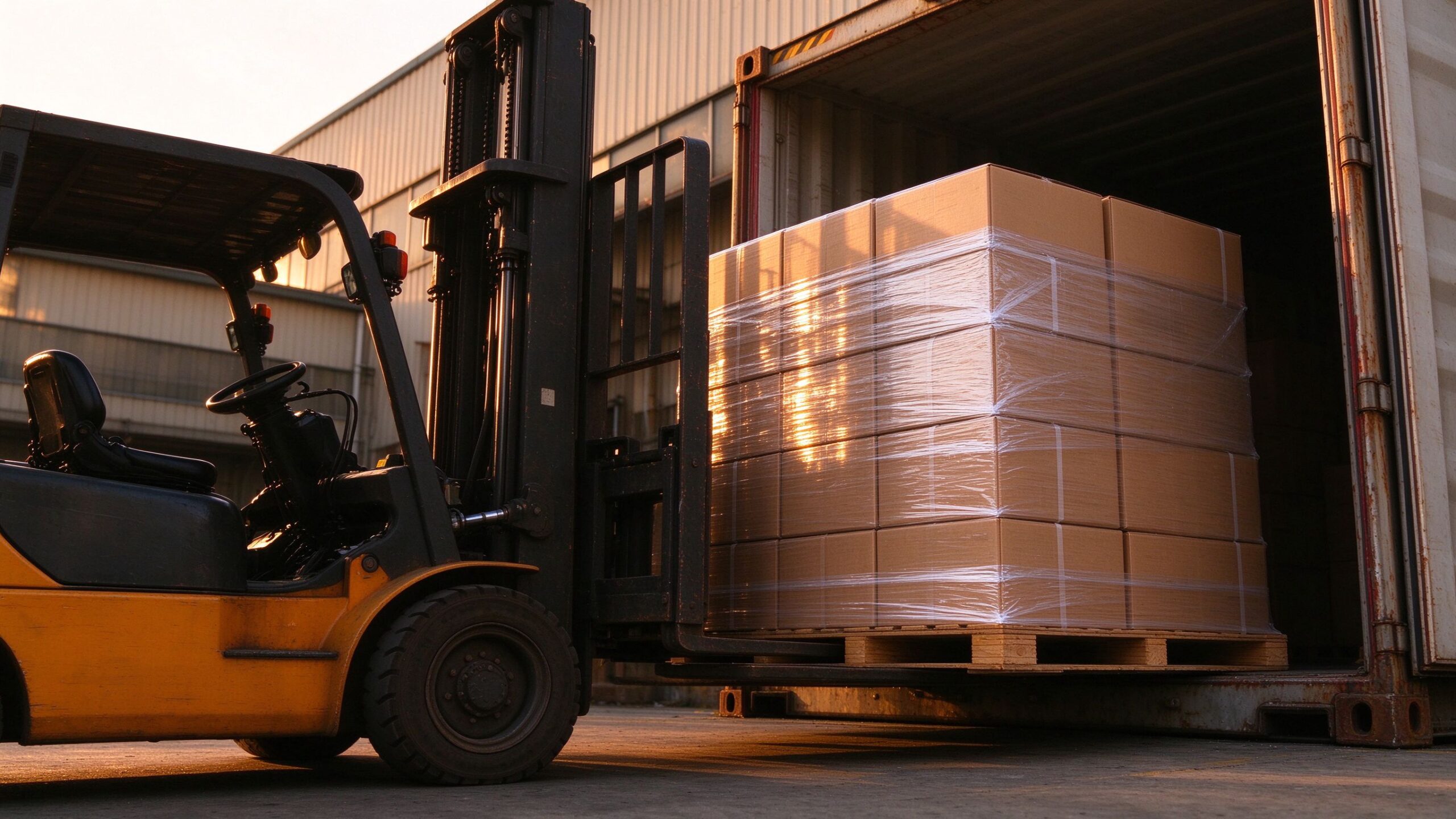
Most heating mat shipments are delayed by paperwork, not by production
When a container of heating mats arrives three weeks late, the cause is rarely the factory. In our export records the delays cluster in three places: a Declaration of Conformity that names the wrong product variant, an HS code declared differently from the invoice, and a test report that the buyer’s customs broker cannot match to the shipment. All three are paperwork problems that are cheap to fix before the container leaves Qingdao and expensive to fix after it reaches Rotterdam or Los Angeles.
This article sets out the document pack a buyer should expect from a heating mat supplier, what each document is for, and the specific fields that most often go wrong. It is written from our own export desk, which has shipped to more than 50 countries since 2008, and it is aimed at buyers who are placing a first or second order and want to avoid the mistakes we have already seen.
Ethan Sun, Founder & CEO, SunAura Thermal
The seven documents in a normal heating mat shipment
A commercial shipment of electric heating mats, film or cable typically travels with seven documents. Not every destination requires all of them, but a supplier who cannot produce all seven on request is a supplier you will end up chasing.
- Commercial invoice — product description, quantity, unit price, Incoterm, total value, currency.
- Packing list — carton count, dimensions, gross and net weight, pallet count, roll lengths.
- Bill of lading or airway bill — issued by the carrier, not the factory; the factory supplies the shipping instructions.
- Certificate of origin — usually Form A or a general CoO, depending on whether the destination grants preferential duty.
- Declaration of Conformity (DoC) — the CE document, naming the product, the directives applied and the responsible person in the EU.
- Test report — the batch or type test referenced by the DoC, with the standard numbers and the measured results.
- Safety data or material declaration — RoHS/REACH statements, and for some destinations a non-wood packing declaration (ISPM 15).
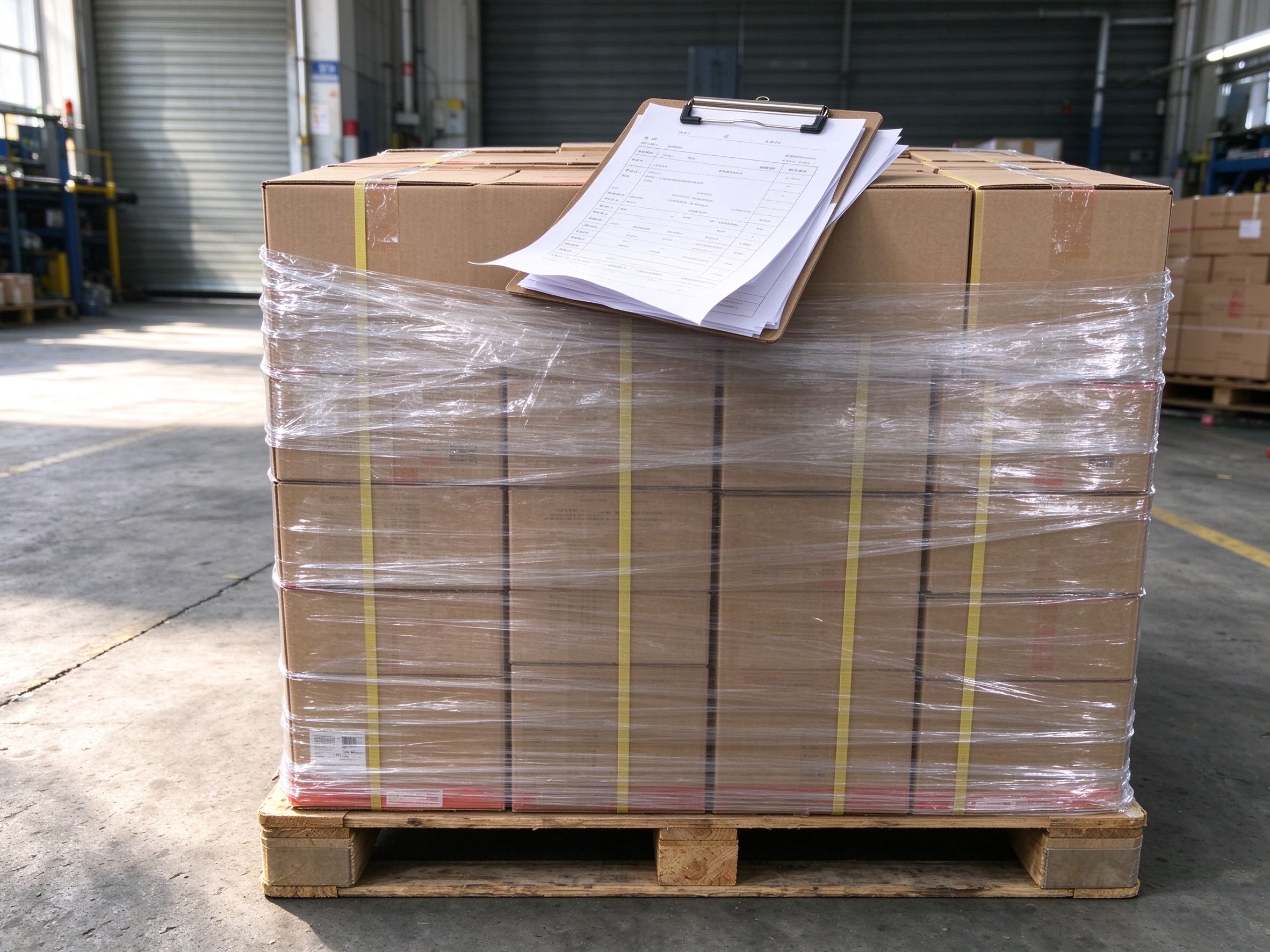
The Declaration of Conformity: the field that causes the most rejections
The CE DoC is a legal document, not a certificate. It is issued by the manufacturer or the EU importer, and it must name the product precisely enough that a customs officer or market-surveillance authority can match it to the goods. The failures we see are specific.
Model naming. A DoC that covers “heating mats” generally is not enough if the shipment contains four variants with different voltages and jacket materials. The DoC should list the model designations and the voltage range actually shipped, or reference a technical file that does.
Directives and standards. A heating mat is normally covered by the Low Voltage Directive and the EMC Directive, with harmonised standards for the product and for the test methods. The DoC should cite the directive numbers and the standards applied, not just the words “CE certified”.
Responsible person. For an EU import, the DoC must identify the manufacturer and, where applicable, the authorised representative or importer established in the EU. A DoC with only a Chinese address and no EU responsible party is a common reason a shipment is held at the border.
Date and revision. A DoC is valid for the product as tested; if the jacket compound or the controller changes, the DoC should be revised. Buyers who receive a DoC dated five years before the shipment date should ask what changed.
We issue a DoC per product family and revise it when a variant changes. If a buyer needs the DoC to name their own company as importer, that is arranged before production, not after the container is booked.
HS codes: why the number on the invoice matters more than the number on the brochure
Electric heating mats and cables are classified in the customs tariff by function and construction, and the correct heading depends on whether the goods are resistance heating elements, complete floor heating assemblies, or parts. Getting this wrong does not usually stop the shipment; it produces a duty assessment that is later corrected with a penalty, or an origin claim that fails.
The practical approach is to describe the goods accurately on the invoice and let the broker classify, rather than to insist on a code the buyer found online. Two shipments that look identical to a buyer — a 10 m² roll of heating mat and a box of loose heating cable — can carry different headings, and a mixed container needs the lines separated so that each is classified on its own.
Three details make classification easier for everyone: the voltage (110 V, 230 V, or wide-range 12–380 V), the construction (mat with factory-fitted cold lead, loose cable, film with bus bars), and whether a thermostat is included in the same carton. A thermostat shipped in the same box as a mat can change the classification of that line, which is why we pack controllers separately by default.
Test reports: what a buyer should actually read
A test report is not a certificate and it is not a marketing document. For a heating product it usually contains three groups of results: electrical safety tests (dielectric strength, insulation resistance, leakage current, earth continuity), thermal tests (power density at rated voltage, surface temperature uniformity, heat-up curve), and environmental tests (cold flex, damp heat, salt spray where relevant).
The two numbers buyers should look for are insulation resistance and power tolerance. Insulation resistance on a production sample is typically measured at 500 V DC and should be in the hundreds of megohms for a sound mat; a reading in the low megohms suggests moisture ingress or a damaged element. Power tolerance tells you how close the actual wattage is to the label — our production batches are tested to a ±5% band, and a supplier who cannot state a tolerance is not testing.
Batch traceability matters as much as the result. A test report that cannot be linked to the cartons in the container is a document for a different shipment. We print a batch code on each carton and on the test record, so a buyer can match the two; if your supplier cannot do that, ask for the batch code before the goods ship, not after they arrive.
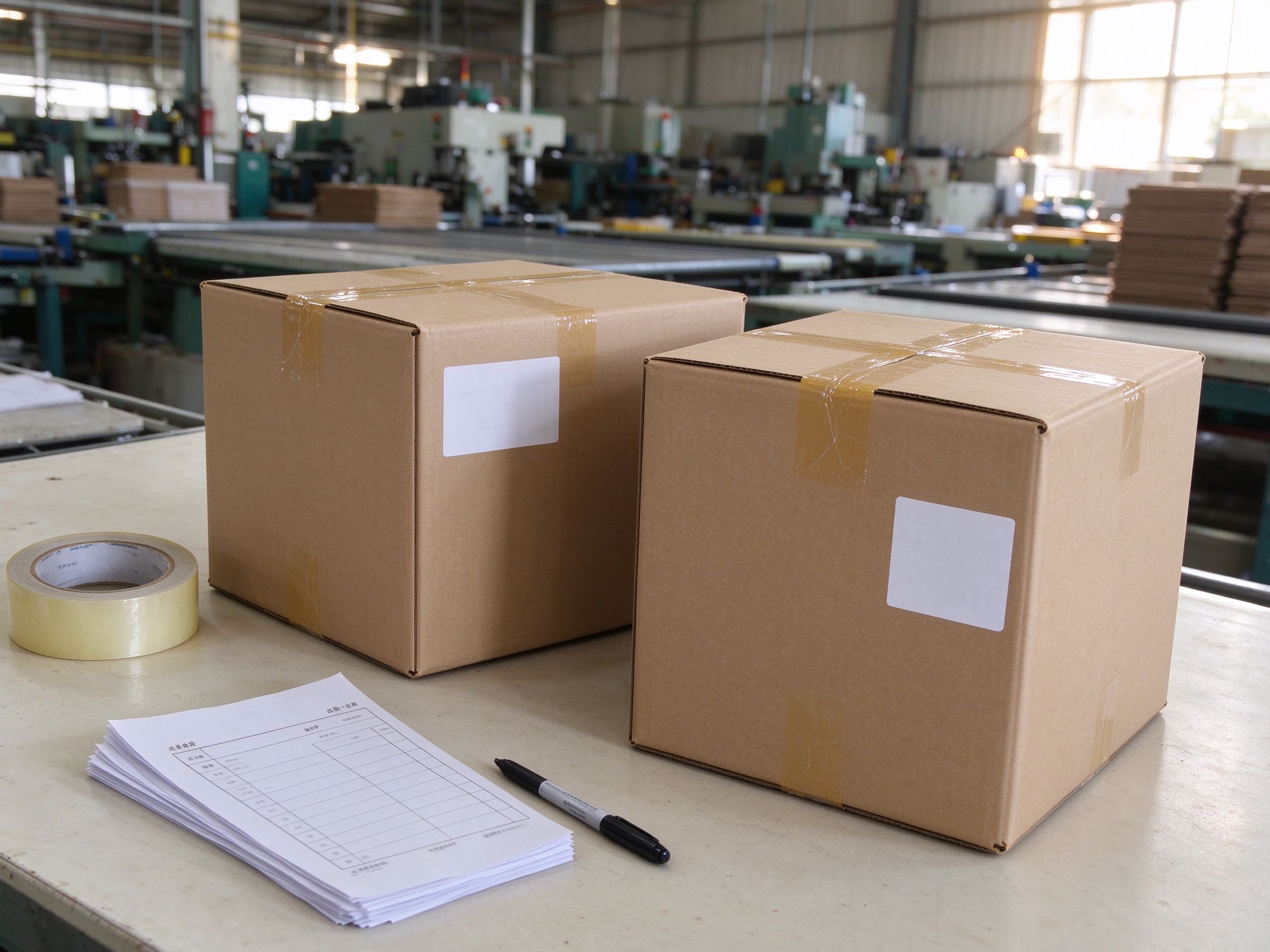
Origin, duty and the documents that change the landed cost
The certificate of origin decides whether a preferential duty rate applies. For most destinations, a general CoO is enough; for countries with a trade agreement, a specific form is required and must be issued by the authority designated in that agreement, not by the factory. A factory-issued “certificate of origin” that is not on the approved form is not accepted, and the buyer pays the non-preferential rate.
Origin claims also depend on where the substantial transformation happens. Our mats are manufactured in Qingdao from imported and domestic components, and the origin we declare is China. Buyers who need a different origin for a trade-agreement claim should raise it before the order, because it cannot be arranged retrospectively.
Anti-dumping and safeguard duties are a separate matter from origin. They apply to specific product categories from specific countries and change with each review cycle. A buyer importing heating cable into a market with an active measure should confirm the current rate with their broker before fixing a landed cost, and should not rely on the rate used in a quotation six months earlier.
The packing details that decide whether the goods arrive undamaged
Heating mats are rolls, and rolls are easy to crush. The packing standard we use for export is a cardboard carton with an inner core, the roll standing on its edge rather than lying flat, and a pallet configuration that keeps the cartons from being compressed by the container doors. Rolls longer than 2 m are packed individually.
Cold leads and joint boxes are the fragile part. A cold lead that is bent at the gland in transit will fail at commissioning, and the failure will look like a manufacturing fault. We pack the lead coiled with a minimum bend radius, in a separate bag, and mark the carton “do not stack”. If a buyer’s own warehouse stacks cartons three high, that instruction is the only protection.
Wood packaging is another compliance point. If the pallet is solid wood it needs ISPM 15 heat treatment and a visible stamp; plywood or plastic pallets avoid the requirement. Buyers in Australia, New Zealand and the US should confirm which pallet type is used, because a non-compliant solid-wood pallet can hold the whole container.
Lead time, Incoterms and the realistic schedule
A standard order of 500–2,000 m² runs 15–25 days from confirmed deposit to container loading, depending on jacket material and whether the controller is included. Custom lengths, custom colours and OEM branding add 5–10 days. Sea freight from Qingdao to a European port is typically 30–40 days, to the US west coast 14–20 days, to the US east coast 30–35 days. A buyer planning a December installation should be booking production in September, not October.
Incoterms decide who carries which risk, and the document pack changes with the term. Under FOB the buyer’s forwarder issues the bill of lading; under CIF the seller arranges freight and insurance but the buyer still handles import clearance; under DDP the seller carries the whole chain, which requires the seller to be established or represented in the destination market. Most of our first orders run FOB, and most repeat orders move to CIF once the buyer has a broker.
Data and evidence
The document list and packing practice described here reflect SunAura’s own export records. Factory facts follow our records: manufacturing in Qingdao, Huangdao District since 2008 (17 years), ISO 9001, ISO 14001 and ISO 45001 certified, products CE and RoHS marked, LVD and EMC tested, exports to more than 50 countries. We do not publish certificate numbers because they change with each audit cycle; the current Declaration of Conformity and batch test report are issued with each shipment.
The lead times and transit times are the ranges we quote to buyers and are based on our own shipment history, not on carrier schedules; they move with season, port congestion and the shipping line. The power tolerance of ±5% is our production test band, and insulation resistance is measured at 500 V DC on 100% of production, with a sample retained per batch.
Customs classification, duty rates and origin rules are governed by the destination country’s tariff and are not fixed by the supplier. The article describes how to prepare the documents so a broker can classify correctly; it is not a classification ruling. Buyers should confirm the heading and the duty rate with their broker before fixing a landed cost.
Mistakes that cost buyers money
Accepting a DoC that does not name the shipped variant. It will be challenged at the border or at the first market-surveillance contact.
Putting the thermostat in the same carton as the mat. It complicates classification and, in some markets, the safety approval of the combination.
Using a factory-issued CoO instead of the approved form. The preferential rate is lost and the duty is paid at the general rate.
Not asking for the batch code. Without it, the test report in the folder cannot be matched to the goods on the floor.
Booking production after the installation date is fixed. Production plus sea freight plus clearance is 6–10 weeks in most lanes.
FAQ
Can you ship a sample before the full order? Yes, usually by air or courier, with the same documents at a smaller scale; the commercial invoice value should reflect the sample price, not a nominal one, or customs may revalue it.
Do you provide an EU authorised representative? We can supply the DoC with the importer named as the responsible person, or work with the buyer’s appointed representative; this is agreed before production.
Is a test report required for every shipment? Not by every customs authority, but most buyers ask for the batch record, and it is the document that supports a warranty claim.
Can the packing be branded? Yes, cartons and labels can carry the buyer’s brand under an OEM agreement; the CE marking and manufacturer identification remain as required by law.
Next step
If you are preparing a first import, send us the destination country, the product mix and the required delivery date. We will return a document checklist for that lane, a draft DoC for the exact variants, and a production schedule that works back from your installation date. The heating cable range and heating mat range pages list the variants that appear on the DoC.
Ethan Sun, Founder & CEO, SunAura Thermal