
Why a ±5% Wattage Number Decides More Than the Wattage Itself
When a distributor or project contractor compares two quotes for an electric heating mat, the headline number that usually gets compared is the nominal output — 100 W/m², 150 W/m², 200 W/m². That number is useful, but it only tells half the story. The figure that quietly decides whether a twenty-room hotel heats evenly, whether a batch of mats passes commissioning, and whether a brand receives returns in February, is the wattage tolerance — the allowed difference between the printed output and the output a mat actually produces when it is measured on a test bench.
A heating mat marked 150 W/m² with a tolerance of +5%/−10% is not the same product as one marked 150 W/m² with a tolerance of ±5%. In the first case, an individual mat can legitimately leave the factory producing 135 W/m², and on a cold floor that shortfall is the difference between a room that reaches setpoint and one that never quite does. This guide explains how tolerance is defined, how it interacts with batch consistency on large orders, and what a buyer should ask for before releasing a deposit.
What Wattage Tolerance Actually Measures
Resistance heating follows a fixed physical relationship. For a mat connected to a stable voltage, the power it produces is determined by the resistance of the heating conductor: power equals voltage squared divided by resistance. The conductor’s resistance is set by its alloy, its cross-section, and its length. Every manufacturing step that touches any of those three variables introduces variation — wire drawing, the pitch of the winding, the cutting and termination of the cold lead, and the temperature at which the mat is finally tested.
Tolerance is therefore not a marketing figure. It is a measured envelope. A factory that states ±5% is saying that every mat it ships, measured at a reference temperature, will produce between 95% and 105% of its rated power. A factory that states +10%/−10% is permitting twice that spread. Buyers should treat an unusually wide tolerance not as flexibility but as a signal that the production process is less tightly controlled, and should expect the delivered batch to reflect that spread.
How Tolerance and Batch Consistency Interact on a Large Order
A single mat with a wide tolerance is a comfort risk. A batch of mats with poor consistency is a commissioning problem. When dozens of mats are installed across the same building, fed from the same distribution board and controlled by the same thermostat strategy, variation between mats becomes visible as uneven floors: one room reaches 26 °C in forty minutes while the identical room next door takes an hour and a half.
This is where the distinction between tolerance and batch consistency matters. Tolerance describes the envelope around a single mat’s rated value. Batch consistency describes how tightly the actual outputs of a group of mats cluster together. A manufacturer can hold a wide nominal tolerance while still delivering a tightly clustered batch, or can hold a tight tolerance on paper while delivering a scattered batch because end-of-line testing is skipped. The buyer who only checks the spec sheet sees the first number; the buyer who requests a batch test report sees the second.
Comparison Across Mat Types and Tolerance Classes
| Mat type | Typical rated output | Common stated tolerance | Expected batch spread | Best-fit project |
|---|---|---|---|---|
| Ultra-thin tile mat, twin conductor | 150–200 W/m² | ±5% to ±10% | ±7% with end-of-line test | Bathrooms, kitchens, retrofit tile |
| Self-adhesive foil mat | 100–150 W/m² | ±10% | ±12% without batch report | Laminate, LVT, low-buildup floors |
| Low-voltage 12/24 V mat | 80–140 W/m² | ±5% | ±5% on regulated supply | RV, marine, off-grid rooms |
| Outdoor snow-melting mat | 250–300 W/m² | +5%/−10% | ±10% | Driveways, ramps, walkways |
| Industrial drum or tank mat | Application-specific | ±10% | ±8% with lot traceability | Tanks, process lines, containers |
The table is a planning reference, not a universal rule. The actual tolerance a buyer can command depends on order volume: a full container gives a buyer the leverage to request ±5% and a batch report at no meaningful premium, while a small mixed order may only be available from stock at the manufacturer’s standard class.

Scenario Selection: Which Tolerance to Specify
Hotels and multi-room hospitality
Specify ±5% and require a batch test report. When identical rooms are expected to behave identically, a scattered batch generates guest complaints that are difficult to diagnose after the floor is sealed. Pair the requirement with a smart thermostat strategy so any residual variation is corrected by the control loop rather than absorbed by the guest.
Single-room residential retrofit
A standard ±10% mat is usually adequate because one mat is compared only against its own setpoint, not against a row of identical rooms. Spend the budget on insulation and a floor probe rather than on a tighter tolerance class that delivers no perceptible benefit in a single bathroom.
Large residential developments and multifamily
Treat the development like hospitality. Specify the tighter class and ask that mats delivered to the same floor share a production lot, which keeps any systematic offset consistent within a riser and simplifies balancing.
Industrial and outdoor loads
Prioritise lot traceability and a documented cold-lead test over an extremely tight tolerance. Outdoor and process mats are selected against a duty, not a comfort setpoint, and knowing which lot a mat came from matters more than squeezing the last percent of output.
The Pre-Inquiry Checklist: Numbers to Request Before You Order
- The exact tolerance class in writing, expressed as symmetric ±x% or as separate positive and negative limits.
- The reference temperature at which output is measured, because resistance changes with temperature and a cold-bench reading is not comparable to a warm-bench reading.
- Whether end-of-line testing is performed on 100% of mats or on a sample, and the sample size.
- A batch test report for the specific lot, showing the mean output, the highest and lowest readings, and the standard deviation.
- The cold-lead termination standard and the insulation resistance test threshold applied before shipment.
- The lot or batch numbering scheme, so a mat can be traced back to its production run if a fault appears later.
- Whether the rated output is stated against the nominal mains voltage or against a measured supply voltage.
Common Procurement Mistakes
Comparing only the nominal wattage. Two mats both labelled 150 W/m² can deliver measurably different heat once tolerance is applied. Always compare rated output together with the tolerance envelope.
Assuming a tight spec means a tight batch. A ±5% figure on a datasheet is meaningless if the factory does not test every unit. Request the actual batch report rather than relying on the generic specification.
Ignoring the negative leg. Asymmetric tolerances such as +5%/−10% hide the risk that matters most for comfort — under-output. A mat that overproduces trips protection; a mat that underproduces simply fails to warm the room and is harder to detect.
Mixing lots on the same riser. When mats from different production runs are installed in adjacent rooms, normal lot-to-lot variation appears as a comfort defect. Requesting single-lot delivery per floor avoids the problem.
Testing at the wrong temperature. Resistance readings are temperature dependent. A field test that ignores the reference temperature can flag a good mat as faulty or clear a weak one.
Data and Evidence: What the Factory Records Actually Show
Per SunAura factory records, heating mats are produced on a winding line where the conductor pitch is set mechanically and the cold lead is terminated before end-of-line test. The standard production class holds a ±10% envelope, with a ±5% class available for project orders that request it in advance. Every mat is subject to an insulation resistance check and a continuity test before packaging, and project batches receive a consolidated test report that records the mean output and spread.
The factory has operated since 2008, giving roughly seventeen years of resistance-heating production across film, mat, cable and thermostat lines, and the site holds ISO 9001 quality management together with CE, RoHS, LVD and EMC documentation. These figures describe the manufacturing system; they do not replace the lot-specific report, which is the document a buyer should retain in the project file.
How Supply Voltage Fluctuation Compounds Tolerance
Because power depends on the square of voltage, a mat is only as stable as the supply that feeds it. A nominal 230 V circuit that actually runs at 220 V delivers roughly 91% of the rated power even before the mat’s own tolerance is applied, and a circuit that runs high at 240 V pushes output above 108%. On a site with weak transformers or long cable runs, that voltage effect can be larger than the manufacturing tolerance itself. Buyers who commission on a site known for voltage drift should measure the actual supply under load rather than assume the nameplate voltage, and should size the mat’s output so that the combined effect of voltage and tolerance still clears the design setpoint.
This is also why a tight tolerance and a regulated control strategy work together. A thermostat that switches the mat on the basis of a floor probe corrects for slow drift by extending or shortening the on-time, but it cannot correct a mat that is fundamentally under-output for the heat loss of the room. Tolerance sets the floor; the control loop manages what happens above it.
How to Read a Batch Test Report
A useful batch report is short, but it contains specific numbers rather than general statements. Look first at the sample size, which should match the delivered quantity or state the sampling rule explicitly. Then read the mean output as a percentage of rated value: a well-centred batch sits close to 100%, while a batch that clusters at 96% indicates a systematic offset even if every individual mat clears the envelope. The highest and lowest readings show the real spread, and the standard deviation summarises how tightly the mats cluster. A report that gives only a pass/fail line without these figures is a certificate, not a measurement, and does not support a balancing decision.
Finally, match the lot number on the report to the labelling on the delivered mats and to the packing list. A batch report that cannot be tied to physical product is not traceable, and traceability is the document’s main value if a fault appears once the floor is sealed.
Frequently Asked Questions
Can I measure the mat’s output myself on site?
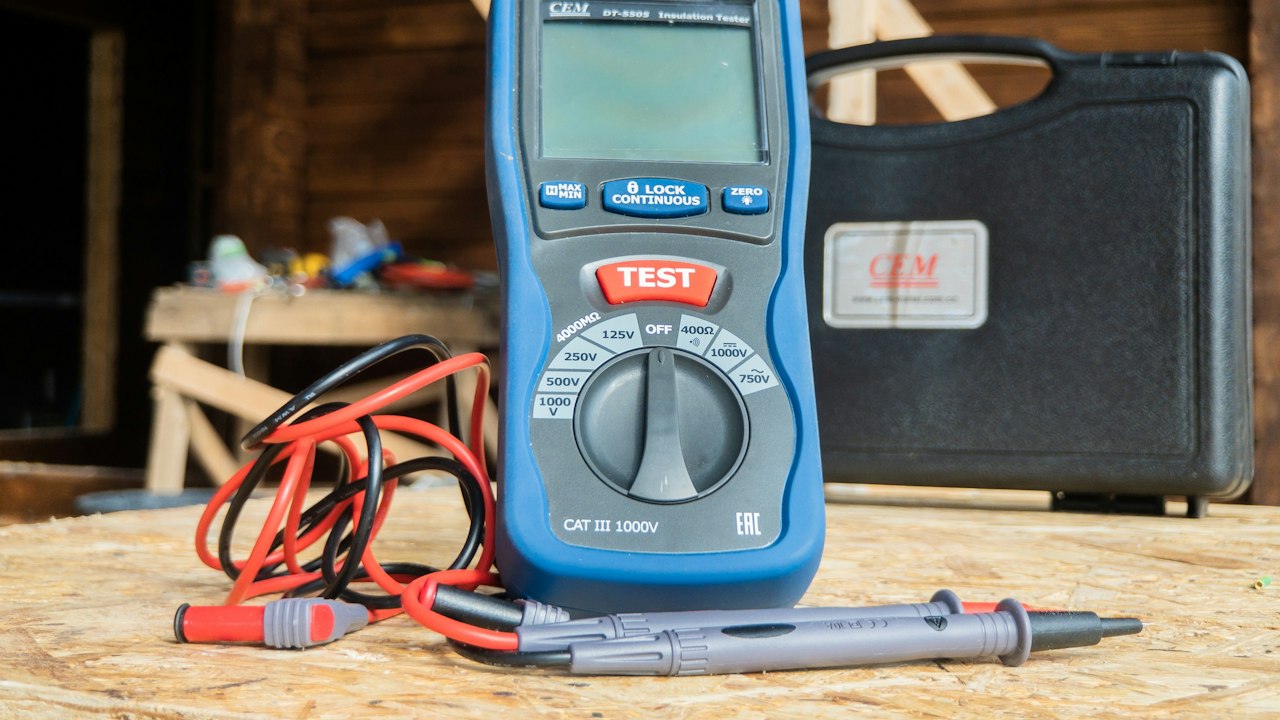
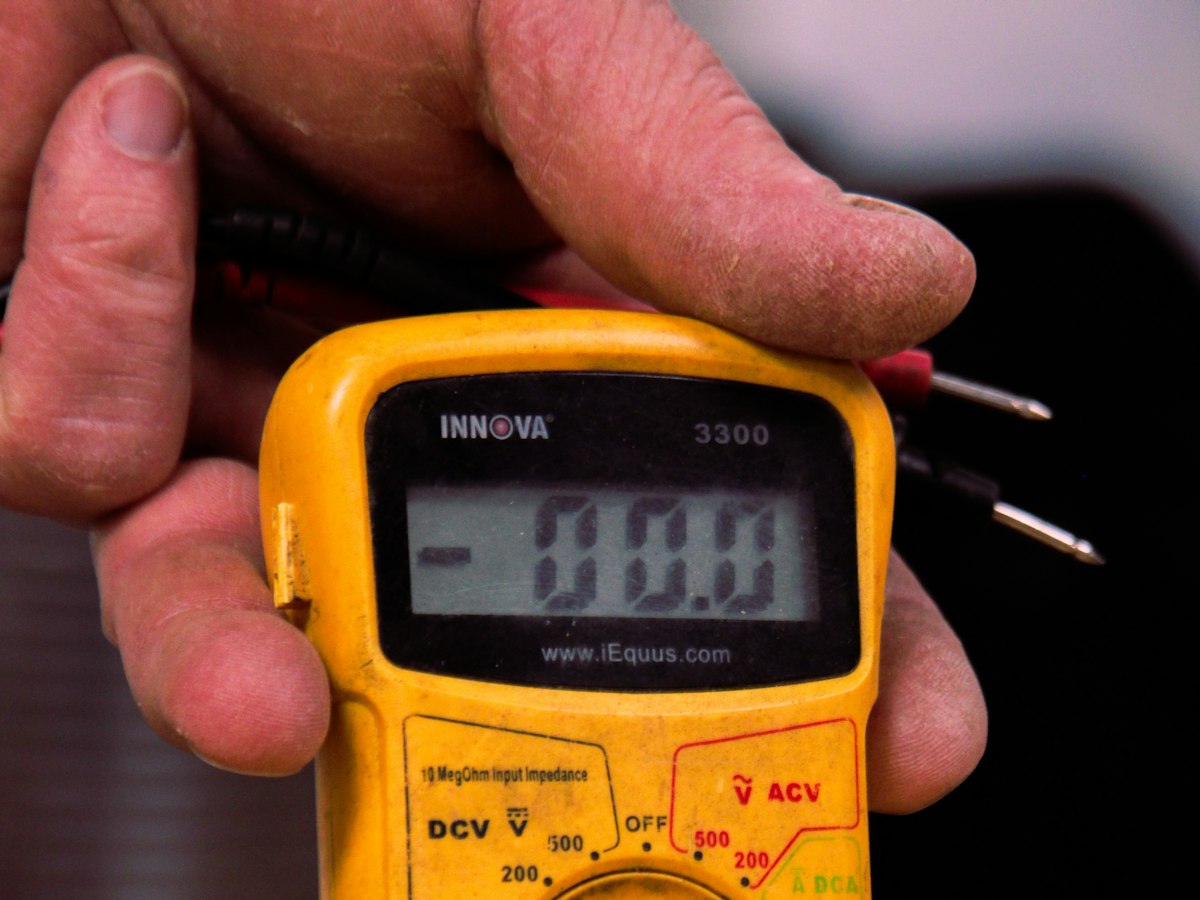
You can measure resistance and calculate expected power using the nameplate voltage, which is the standard incoming-goods check. Absolute output under load is best confirmed against the factory’s bench equipment, but a resistance reading that falls outside the tolerance envelope is enough reason to reject a mat before installation.
Does a wider tolerance mean the product is unsafe?
Not by itself. Safety is governed by insulation, earthing and RCD protection, which are separate from output tolerance. A wide tolerance is a performance and consistency risk, not an electrical safety risk, though the two are often discussed together on the spec sheet.
How much extra does a tighter tolerance cost?
On volume orders, a ±5% class typically carries little or no premium because it is produced by the same line with sorting and a documented test. On small orders, the cost is driven mainly by the additional documentation and handling rather than by materials.
What spread should I expect even from a good batch?
A well-controlled batch clusters more tightly than the nominal envelope suggests, often within ±5% even when the rated class is ±10%, because the envelope defines the allowed limit rather than the typical result. The batch report reveals the real spread, which is why it is worth requesting.
Conclusion and Next Step
Wattage tolerance is the hidden specification that turns a nominal 150 W/m² figure into a real, measurable heating outcome. For multi-room and volume projects, specify ±5%, request a lot-specific batch report with mean and spread, and keep delivery within a single lot per riser. For single-room work, a standard class is acceptable and the budget is better spent on insulation and controls. Buyers who treat the tolerance as a documented, measurable requirement rather than a line on a datasheet eliminate most post-installation uneven-floor complaints before they occur.
For a bulk heating mat order, send the floor plan with heated areas and the target output per zone, and request the ±5% class together with the batch report as part of the quotation. Related product detail can be reviewed on the electric heating mat page, while control strategy is covered in the smart thermostat range. For the underlying element, the graphene heating film page explains how output is generated, and the wall heating film page covers wall-mounted tolerance considerations.
Ethan Sun, Founder & CEO, SunAura Thermal