Insulated Drum Heaters and Heating Blankets: Cutting Heat Loss
The Heat Loss That Hides Inside a Drum Heater
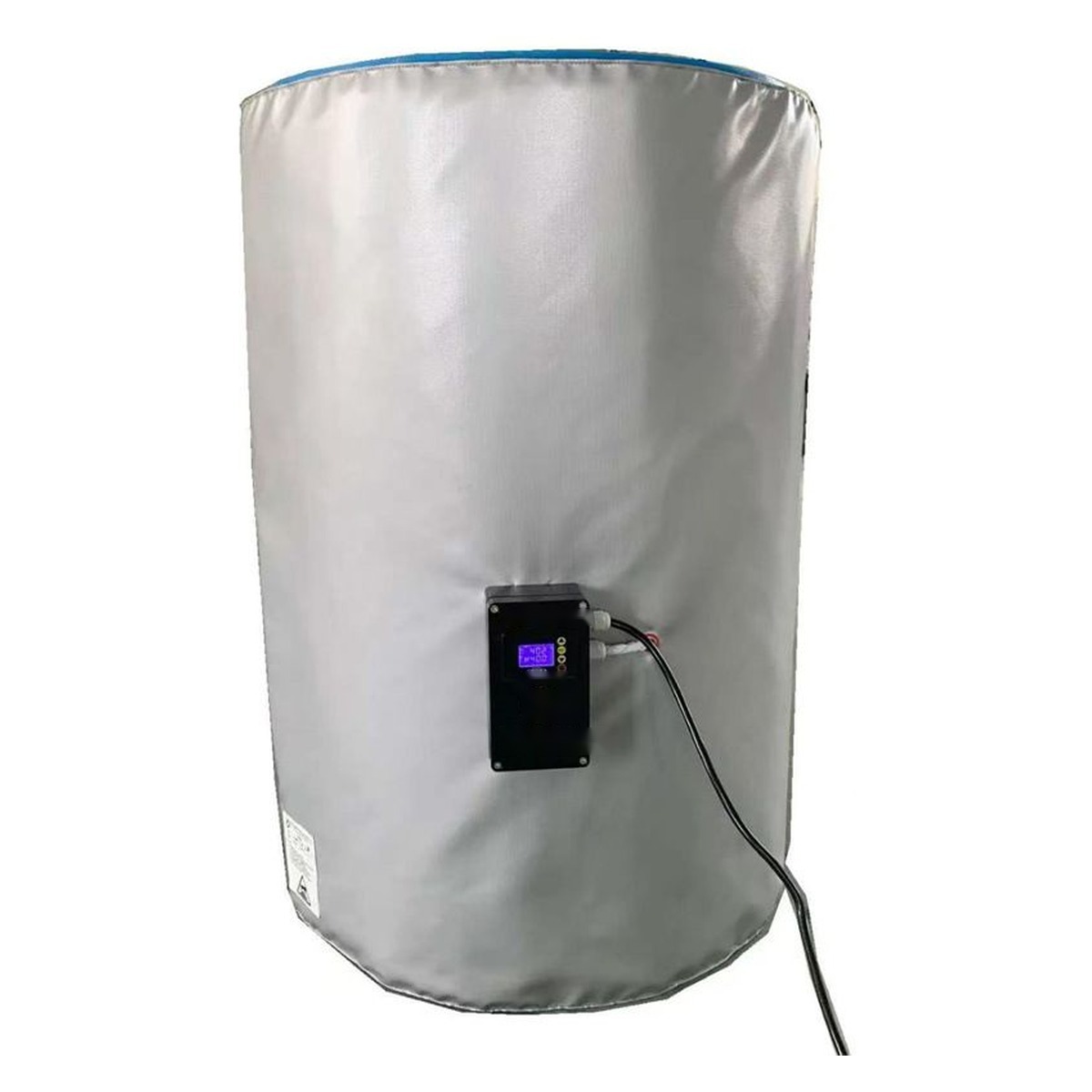
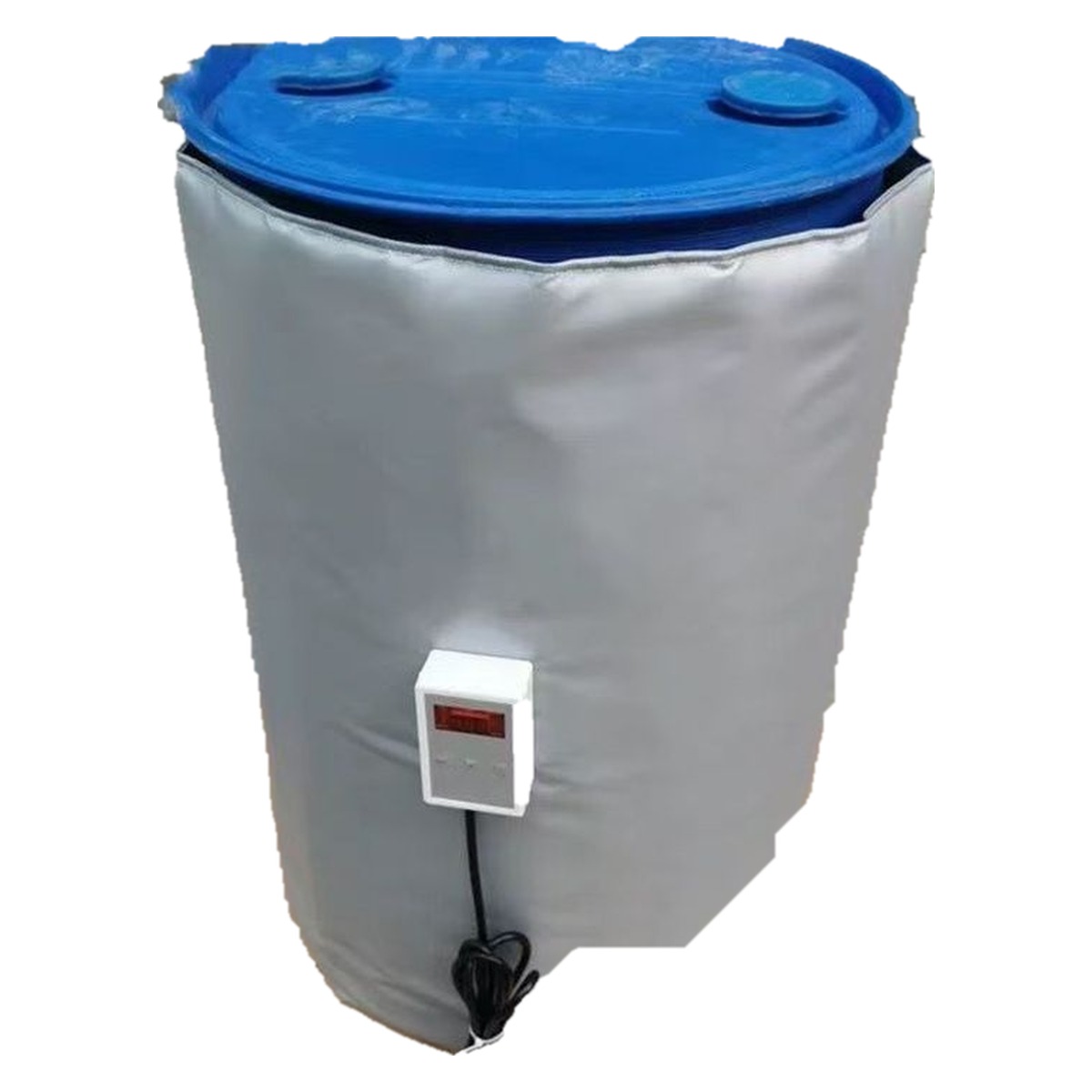
The jacket forces heat inward rather than into the room.
When a drum or IBC of viscous material is heated in a cold store, the easy number to compare is the heater’s wattage. The number that actually decides the running cost is how much of that heat reaches the product and how much escapes to the air. A bare heating blanket wrapped around a steel drum fights a continuous losing battle: steel conducts heat well, and every exposed square centimetre of the drum surface radiates and convects that warmth away. An insulated drum heater combines the heating jacket with an integrated thermal barrier, so the energy goes into the material rather than the warehouse.
SunAura Thermal manufactures drum and IBC heating blankets with adjustable temperature control and high-limit protection, including insulated jacket designs intended to reduce heat loss in cold operating environments.
How an Insulated Jacket Is Constructed
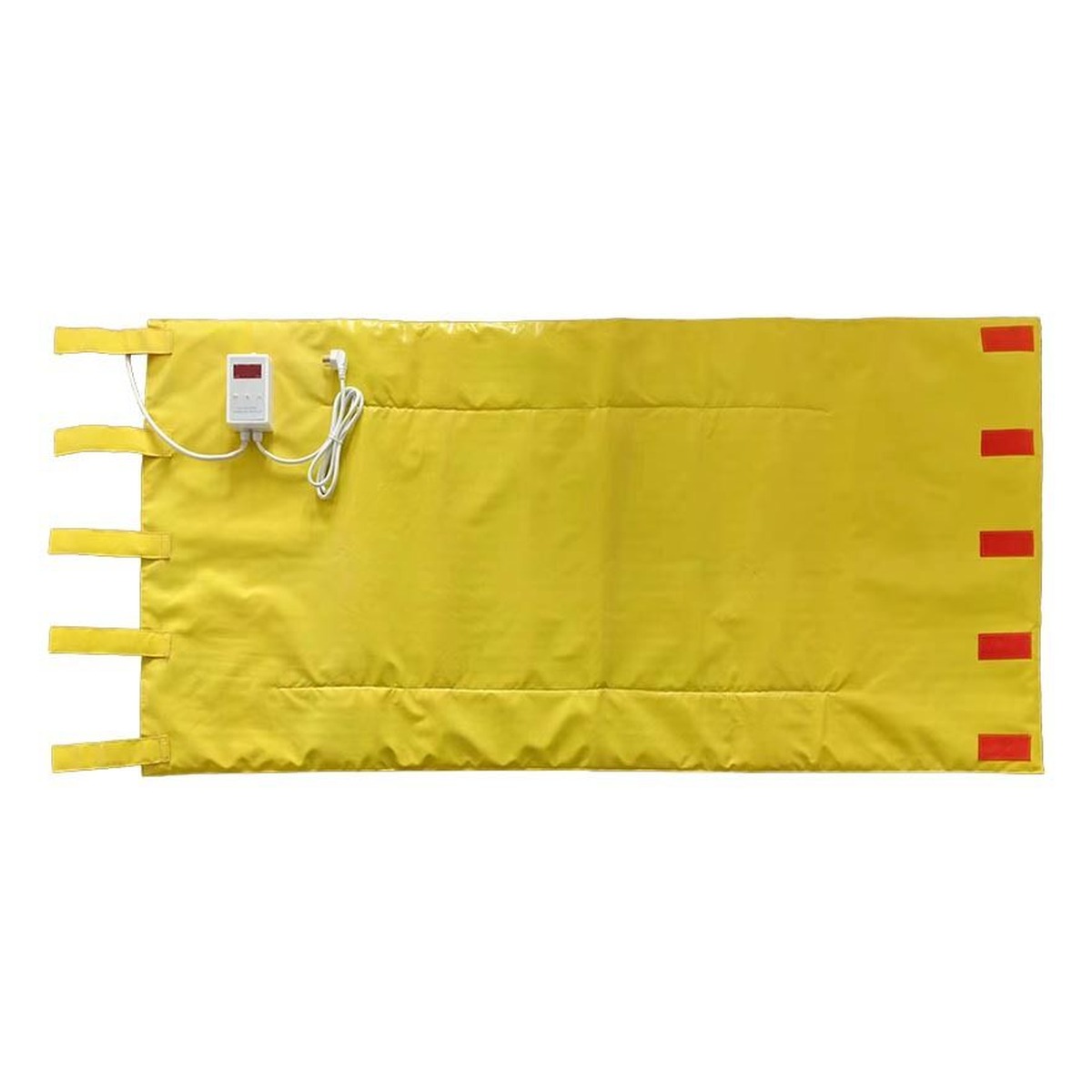
An insulated heater is built in layers, each with a specific job. The heating element sits against the drum wall and delivers heat conductively across the contact area. Behind it, an insulating layer of low-conductivity material slows the outward path. A durable outer facing protects the insulation from moisture, oils and mechanical damage, while straps or fasteners hold the jacket in close contact. The contrast with a simple blanket is not the heater itself but the direction in which the heat is forced to travel.
Inner contact layer transfers heat evenly across the steel wall and avoids local hot spots.
Heating element provides the rated output over the covered area.
Insulating core raises the resistance of the outward heat path, pushing energy inward.
Outer facing and fasteners maintain a tight fit and protect the build in industrial use.
Why Heat Loss Matters More in Winter
A high-limit cut-off protects heat-sensitive materials.
The temperature difference between a warm drum and a cold warehouse drives the heat loss, and that difference grows sharply in winter. A blanket that holds a material at pumping temperature in a mild store may run almost continuously to reach the same setpoint in an unheated winter bay. The practical effects are threefold: longer heat-up times, higher energy consumption, and wider temperature variation between the heated wall and the colder centre of the drum. Insulation attacks all three at once by reducing the steady-state loss the heater must replace.
Temperature Control and High-Limit Protection
Reducing heat loss does not remove the need for accurate control. SunAura heating jackets use an adjustable controller so the operator can set the maintain temperature appropriate to the material, with a high-limit device that cuts power if the jacket overheats. This matters for two reasons: heat-sensitive products can be damaged or altered by an excessive wall temperature, and a heater that is insulated on the outside retains heat more effectively, so the limit protection is a genuine safety layer rather than a formality. The combination of insulation, adjustable control and high-limit cut-off allows efficient heating without sacrificing material safety.
Where the Energy Saving Comes From
The saving from an insulated jacket is not a one-off event at switch-on. Once the drum reaches its target, the heater only needs to replace the ongoing loss. A lower loss means shorter and less frequent heating cycles through the whole period the material is held. For a site that keeps drums or totes warm across a winter shift, the difference accumulates steadily, and the heater also reaches temperature faster because less of its output is leaking away during warm-up. Per SunAura factory records, heating blankets are batch tested for electrical safety and temperature function, with ratings recorded per production run.
Choosing Between a Basic Blanket and an Insulated Heater
A basic heating blanket remains a sound choice in a heated indoor area where the temperature difference is modest and the drum is used quickly. The insulated design earns its premium in the situations that punish heat loss: unheated or semi-heated stores, winter outdoor handling, materials held at temperature for long periods, and high-viscosity products that demand a high setpoint. The decision is best made against the ambient temperature of the actual location and the hold time, not the heater wattage alone.
Evidence and Data
Per SunAura factory records, the company has manufactured industrial heating products since 2008 under ISO 9001:2015 quality management, with CE and RoHS compliance and adjustable controllers plus high-limit protection on heating jackets. Electrical ratings and temperature-control function are recorded per production batch.
The Practical View
An insulated drum heater is a simple idea with a clear engineering logic: stop heating the room and keep the heat in the container. For winter operations and long hold times, the jacket pays back through shorter cycles and lower running cost while the high-limit protection keeps the material safe. Comparing only the blanket wattage misses the point; the figure that matters is how much of that wattage stays in the drum.
Source: SunAura Thermal (www.sunaura.ltd), manufacturer of drum and IBC heating blankets and insulated industrial heater jackets from Qingdao, China.
We use cookies to improve your browsing experience, analyse site traffic and personalise content. By accepting, you consent to our use of cookies. You can choose "Essential only" to continue without non-essential cookies. Read our privacy policy