
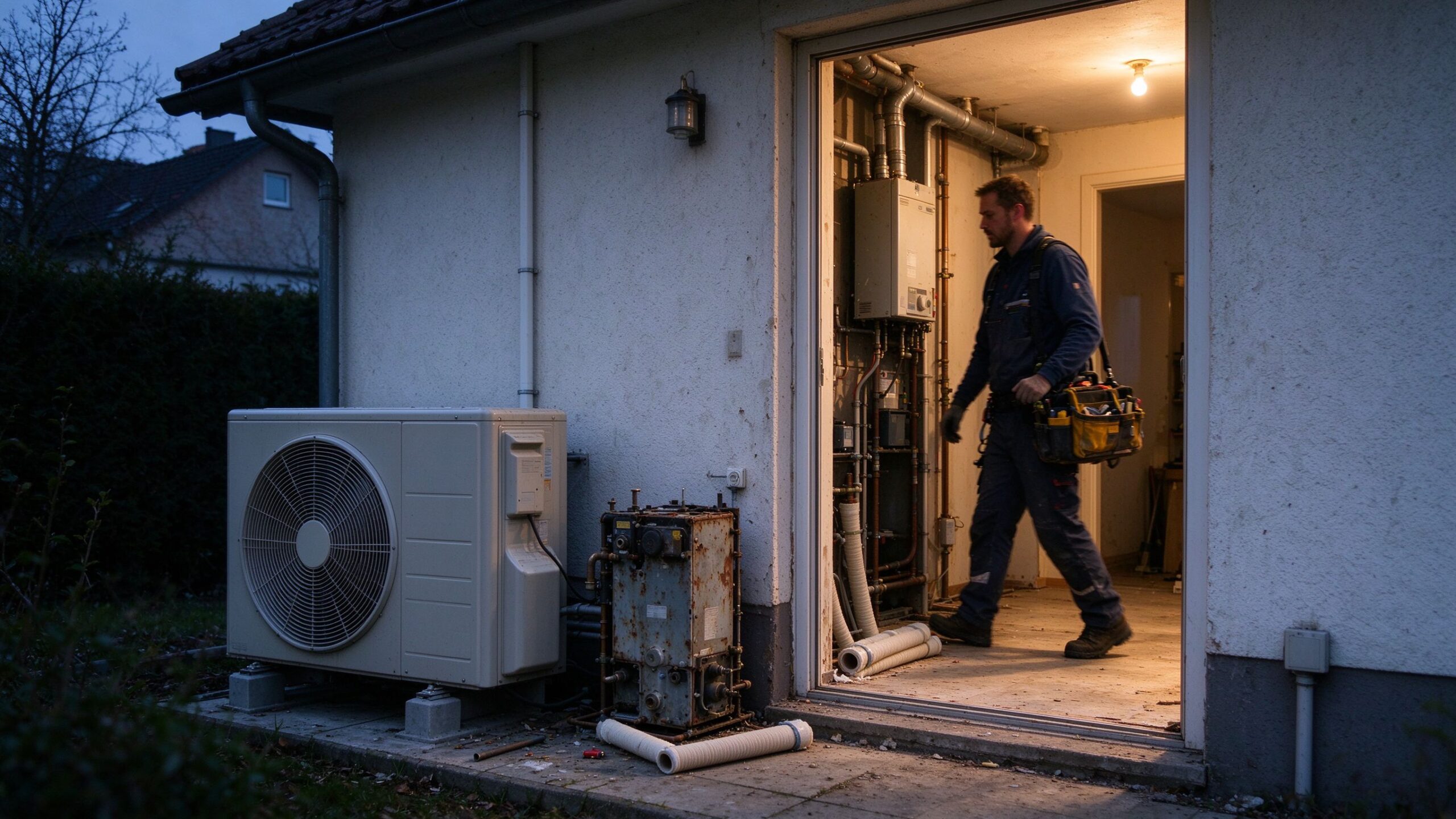
Underfloor Heating Grants in 2026: How UK, German, French and Italian Retrofit Incentives Reshape the Buyer’s Budget
Every week a buyer asks the same question in a different form: “is there a grant for underfloor heating?” The short answer in most of Europe is that no scheme pays for an electric floor heating element as a stand-alone measure. The longer answer is that four large markets do fund the surrounding work — the heat generator, the emitter upgrade, the controls, sometimes the insulation — and that the eligibility chain decides whether a floor heating project gets 0 % or 50 % of its cost back.
This is a procurement guide for buyers and installers who need to plan a retrofit budget in 2026 across the UK, Germany, France and Italy. It explains what each scheme actually funds, what documentation is required, where electric floor heating fits and where it is excluded, and how to design a system that survives an audit rather than failing at the application stage.
Why electric underfloor heating rarely qualifies on its own
Retrofit subsidy programmes across Europe are written around primary energy and carbon, not around comfort. An electric resistance floor heating element converting mains electricity at a coefficient of performance of 1.0 is treated in most national calculation methods as a high-primary-energy emitter. Even where the electricity is increasingly low-carbon, the metered efficiency of a resistance element is 100 %, and the primary energy factor applied to grid electricity keeps the calculated efficiency below the thresholds that unlock funding.
What that means in practice: the money flows to heat pumps, to biomass and solar thermal, to building fabric, and to controls that demonstrably cut consumption. An electric floor heating mat under a bathroom tile is a good product and a poor grant candidate. A hydronic floor heating system supplied by an air-source heat pump is the opposite: it is exactly what the schemes were written for.
The one place electric floor heating does appear inside funded projects is as part of a package — for example, frost protection in a commercial building, or floor heating in a well-insulated new extension where the whole-building calculation is what is being assessed. The element is not funded; the project is.
United Kingdom: what the Boiler Upgrade Scheme will and will not pay for
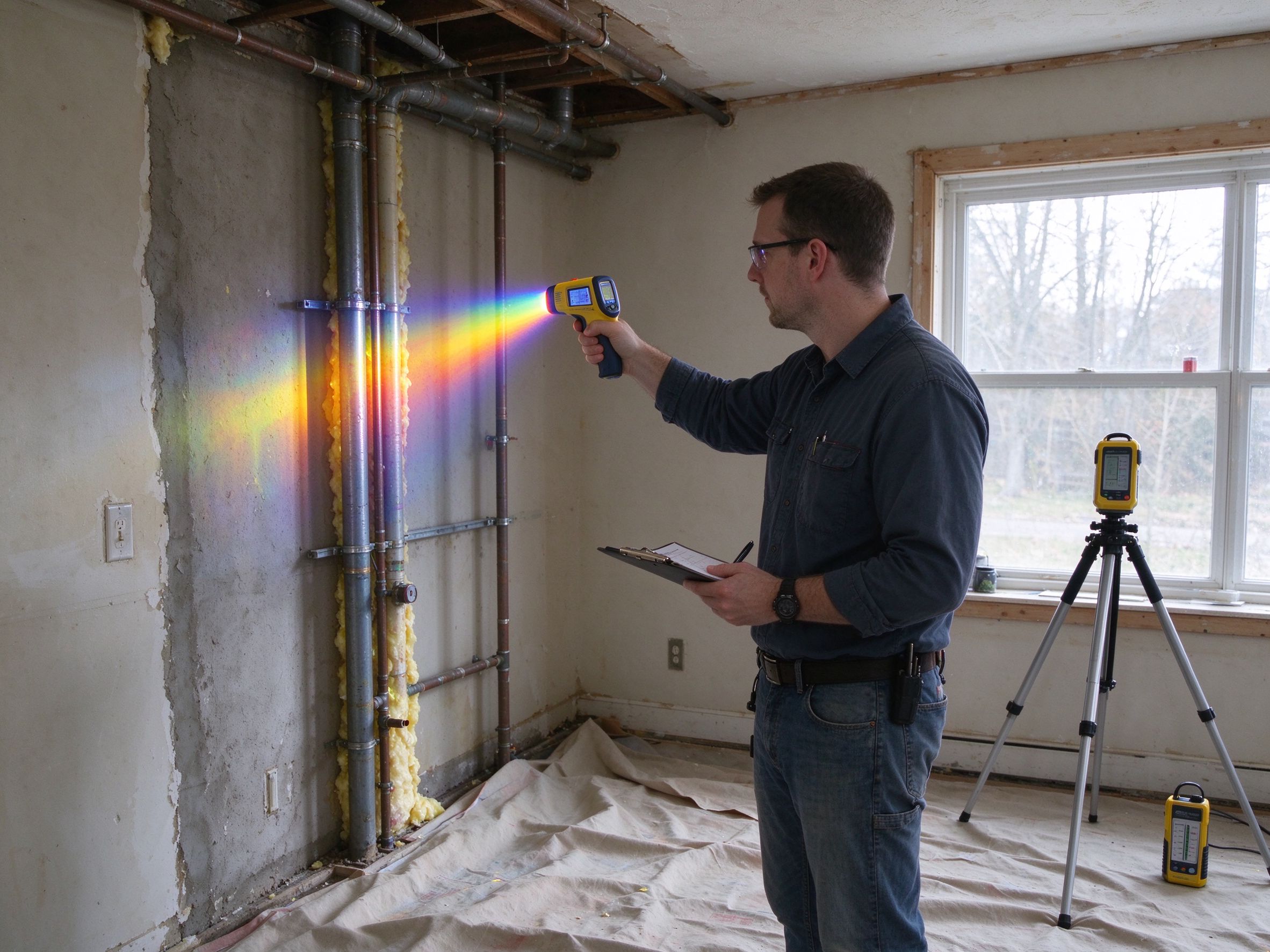
The Boiler Upgrade Scheme in England and Wales is the most quoted and most misunderstood UK incentive. It funds the replacement of a fossil-fuel heating system with a heat pump, at a fixed grant per installation — the air-source rate was raised to £7,500 in the 2025–26 scheme year, with ground-source at a comparable level. Scotland runs separate support through Home Energy Scotland grants and loans, and the eligibility rules differ, so a buyer in Edinburgh and a buyer in Manchester are not comparing the same scheme.
What the grant covers: the heat pump itself and, within the caps, the cost of the installation including the emitter system that the heat pump needs. What it does not cover: a like-for-like electric floor heating replacement, a bathroom mat retrofit, or a floor heating addition where the existing heat generator stays.
The practical consequence for a UK retrofit is a fork in the road. If the property has a gas boiler at end of life and the floors are being opened anyway, the funded path is an air-source heat pump plus a low-temperature hydronic floor system, and the grant is meaningful against a £12,000–£20,000 installation. If the property already has a heat pump or a modern boiler and the buyer wants warm bathroom floors, the project is self-funded, and the budget should be compared against the running cost rather than against a grant that will not arrive.
Documentation that decides the claim: an MCS-certified installation by an MCS-certified installer, a valid EPC for the property, evidence that the previous heating system was fossil-fuel based, and commissioning records. The grant is claimed by the installer, not the homeowner, which is why buyers should confirm installer certification before signing anything.
Germany: the BEG heating subsidy and its efficiency conditions
Germany’s Gebäudeenergiegesetz and the Bundesförderung für effiziente Gebäude set the framework that most of the European market now follows. The heating subsidy under BEG is structured as a base rate plus bonuses rather than a single percentage: a base share for replacing an old fossil-fuel heating system, an additional speed bonus for early replacement, and an income-linked bonus for lower-income households, capped at a maximum share of the eligible cost. The eligible cost itself is capped per dwelling, so a very large project does not scale the grant indefinitely.
Three conditions matter more than the percentage:
- The heat generator must qualify. Air-source, ground-source and water-source heat pumps are eligible; a direct electric resistance system is not treated as a renewable heat generator.
- The system must be hydraulically balanced and controlled. A heat pump connected to an unbalanced floor circuit with a single room thermostat fails the efficiency expectations that the subsidy is meant to buy.
- The application must precede the work. Approval before ordering is mandatory for the heating subsidy; a completed installation submitted afterwards is normally refused.
For a German buyer planning a floor heating retrofit, that combination pushes the design towards a low flow temperature system: pipe spacing at 100–150 mm, a design flow temperature of 35 °C or lower, room-by-room control, and a buffer or a direct heating circuit that lets the heat pump run in its efficient band. An electric mat in the bathroom can still be part of the project, but it is paid for by the owner, not the programme.
France: MaPrimeRénov’ and the income-tier logic
France splits its support between a per-measure scheme and a whole-renovation pathway. MaPrimeRénov’ pays by measure for eligible improvements, with the rate depending on household income band and on the improvement’s energy performance, and the whole-renovation pathway requires an energy audit and a package of works that achieves a defined performance step. The rules have changed several times since 2020 and the direction of travel is towards fewer, better-verified packages rather than standalone product purchases.
Where floor heating sits in this: as an emitter within a funded renovation package, and as a comfort measure that the household pays for. What buyers should not assume is that adding a heating element to a renovation increases the aid; in most configurations it does not, and it can complicate the calculation if the emitter change alters the modelled consumption.
Two French-specific traps show up in practice. First, the works must be carried out by a qualified installer under a recognised qualification scheme, and the invoice must name the qualifying company. Second, the audit has to precede the quote, not follow it. Buyers who commission an audit after signing a contractor’s estimate routinely find the paperwork does not align.
Italy: Conto Termico and the wind-down of the Superbonus
Italy has run the most generous and most volatile retrofit incentives in Europe. The Superbonus, which at its peak refunded 110 % of eligible costs as a tax deduction, has been phased down and tightened, and the current landscape is a set of smaller deductions plus the Conto Termico mechanism, which pays an incentive based on the energy saved by the intervention rather than a percentage of the invoice.
Conto Termico is the more predictable route for a heat pump or a hybrid system: the incentive is calculated from the thermal energy produced or the primary energy saved, subject to a cap per intervention, and it is paid through the energy services mechanism rather than as a tax credit spread over ten years. For a residential heat pump plus low-temperature emitter upgrade, that structure rewards a well-designed system: better performance means a larger payment.
The practical Italian lesson for 2026 is that the tax-deduction route is now a budget-planning exercise, not a certainty. Buyers should model the cash-flow effect of a multi-year deduction, confirm the current percentage for the specific intervention, and treat any quoted “110 %” figure as out of date. The engineering requirements — qualified installer, compliant documentation, and a system that actually delivers the declared performance — have become stricter, not looser.
Four-market comparison
| Item | UK (England & Wales) | Germany | France | Italy |
|---|---|---|---|---|
| Main mechanism | Boiler Upgrade Scheme grant | BEG heating subsidy | MaPrimeRénov’ by measure and whole-renovation pathway | Conto Termico plus reduced tax deductions |
| Funded object | Heat pump installation | Heating system replacement and efficiency measures | Eligible measures by income band, or verified package | Energy saved by the intervention |
| Electric resistance floor heating | Not a funded measure | Not a qualifying generator | Comfort measure, owner-funded | Not a funded measure |
| Emitter upgrade funded | Yes, within the heat pump installation | Yes, as part of the system | As part of the package | As part of the intervention |
| Application timing | Before commissioning, installer-claimed | Approval before order | Audit and application before works | Before or at intervention, per mechanism |
| Key documentation | EPC, MCS certificate, commissioning record | Approval notice, installer declaration, hydraulic balance | Energy audit, qualified installer invoice | Compliance declaration, performance data |
| Practical buyer value | £7,500 fixed credit toward heat pump | Share of capped eligible cost, plus bonuses | Income-dependent share per measure | Payment based on declared savings |
| Relevance to an electric floor retrofit | Low | Low | Low | Low |
The last row is the one to read carefully. Four markets, four mechanisms, one consistent outcome: a mat or film retrofit is bought on running cost and comfort, not on subsidy.
What a grant-compliant system actually looks like
If the objective is to capture funding, the specification changes in five ways, and it changes before the first pipe or cable is laid.
1. Heat generator first.
Choose the funded generator, then design the emitter around its efficient operating band. For an air-source heat pump that means a design flow temperature of 35 °C where possible, 45 °C at the upper end for a retrofit, and pipe spacing that delivers the required output at that temperature rather than at 60 °C.
2. Emitter output must be documented at the design flow temperature. A floor heating system that produces 80 W/m² at 45 °C flow is not the same product as one that produces 80 W/m² at 35 °C. Grant assessments ask for the output at the design condition, and the manufacturer’s declaration is the evidence.
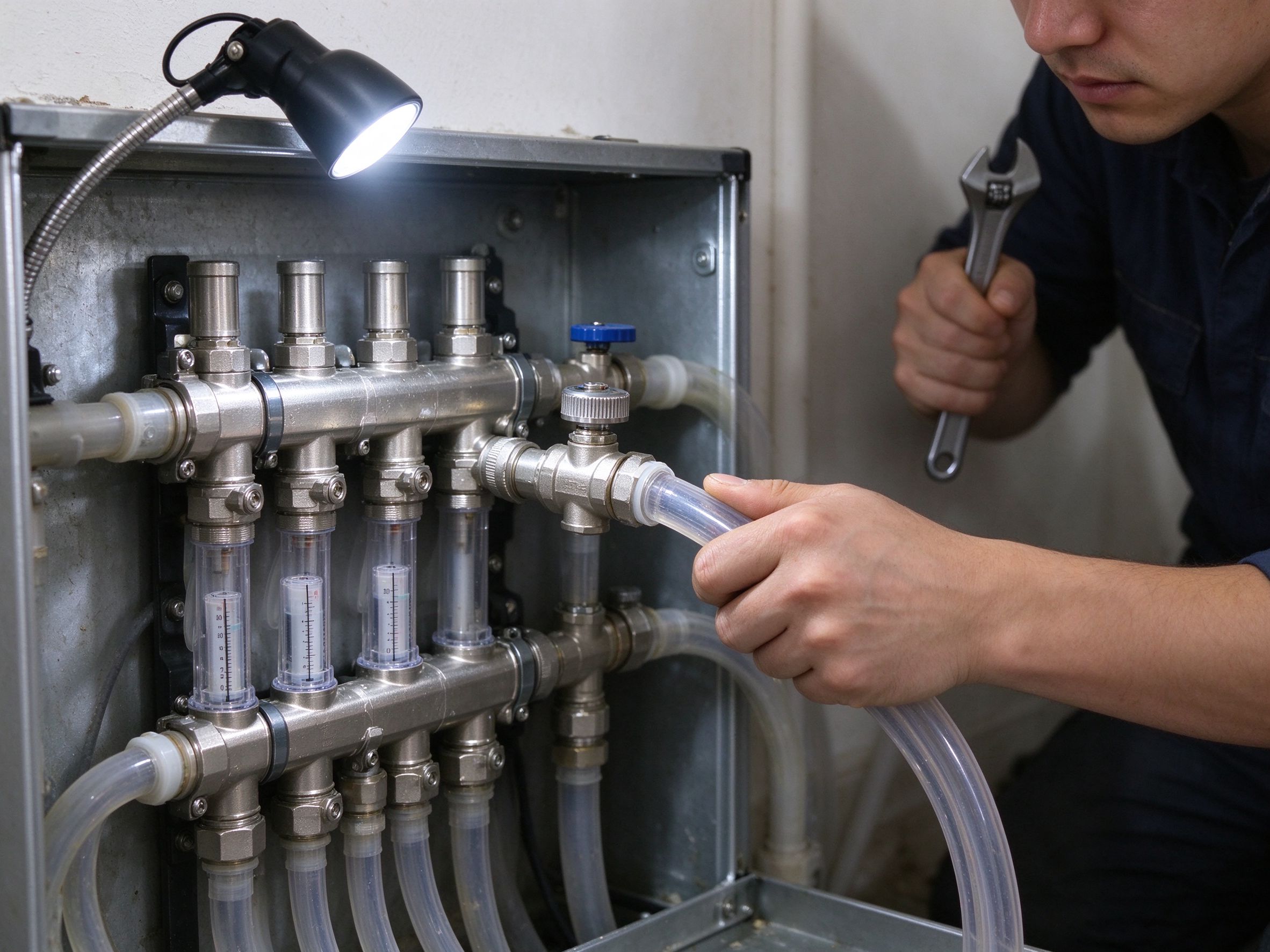
3. Room-by-room control and hydraulic balancing are part of the funded scope. This is where most retrofit projects lose performance after commissioning: a balanced manifold with actuators and room thermostats is not an optional extra in a funded project, it is a condition.
4. Insulation is assessed together with the heating system. A floor heating system over an uninsulated slab cannot meet the calculated performance that the subsidy is based on. If the floor is being opened, the insulation upgrade is the cheapest efficiency measure available and it is usually eligible in its own right.
5. Commissioning records are the audit trail. Flow temperatures, pressure test results, balance settings, and photographic evidence of the installed build-up. A project that performs well but cannot evidence it is a project that gets refused at verification.
Where grants stop and tariff strategy starts
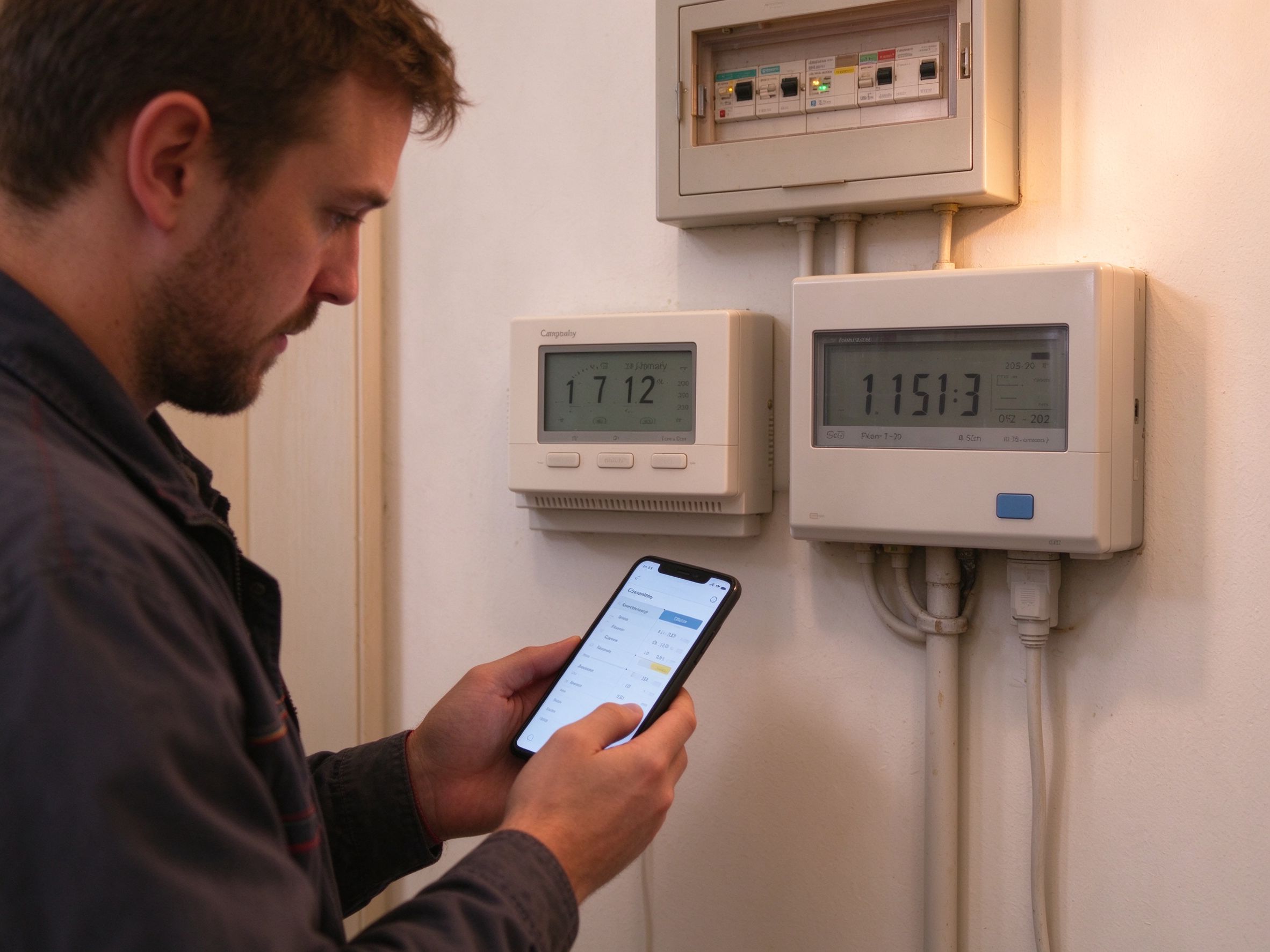
For the majority of buyers reading this — the ones installing electric floor heating in a bathroom, a kitchen extension, a rental flat or a small commercial unit — the relevant economics are not a grant but three variables that can be influenced directly.
Tariff shape. A time-of-use tariff with a cheap overnight or mid-day window changes the cost of a floor that can store heat in its screed. A 60 mm screed at 130 W/m² will hold a useful charge for three to five hours; a dry-lay panel system will not, and pairing it with a tariff designed for storage is a mistake that shows up on the first winter bill.
Self-consumption. Where a PV array and a battery exist, the marginal cost of a mid-day floor heating hour can fall close to zero, and the control strategy should be built around the array’s output rather than around a fixed schedule.
Covering and insulation. The same element under 10 mm tile over an insulated slab delivers its rated output; under a thick carpet over an uninsulated slab it delivers a fraction of it at a higher element temperature. Insulation and covering selection move the running cost more than the element brand does.
The grant conversation and the tariff conversation are separate, and conflating them is how buyers end up disappointed. Plan the capital budget on the assumption that no grant will arrive, then treat any award as a bonus.
What to prepare before you apply
- Current EPC or energy audit, dated before the contractor’s quotation.
- Evidence of the existing heating system: fuel type, age, efficiency class, photographs of the boiler or heater and its data plate.
- Building geometry and heated area by room, with the rooms that will receive floor heating marked separately.
- Proposed heat generator with model, rated output and declared performance at the design flow temperature.
- Emitter design: pipe spacing or element wattage, design flow or surface temperature, output in W/m² at design condition.
- Control strategy: manifold, actuators, room thermostats, outdoor compensation or heat pump controller integration.
- Insulation specification for the floor build-up, with declared thermal resistance.
- Installer credentials that match the scheme in that country, not a generic certification.
- Commissioning and balancing records template, agreed before work starts.
- Invoice and payment schedule that separates eligible from non-eligible items, since mixed invoices are a common cause of partial refusal.
Five ways buyers forfeit a grant
Ordering before approval. In Germany and France this alone can void the claim, regardless of how well the system performs.
Using a non-qualified installer. Every one of these schemes ties payment to installer credentials. A cheaper installation by an uncertified crew is a false economy at exactly the moment the grant is claimed.
Quoting performance the build-up cannot deliver.
A declared 80 W/m² output that requires 55 °C flow, installed on a heat pump designed for 35 °C, fails verification and underperforms in service.
Mixing eligible and ineligible items on one invoice without separation. Assessors refuse the whole line rather than apportion it, and the appeal costs more time than the separation would have.
Skipping the audit because the contractor offered a “free assessment”. A contractor’s site visit is not an energy audit. The schemes require the independent document, with a date and an assessor reference.
What this means for your specification
If funding is a deciding factor, specify a heat pump with a low-temperature hydronic floor: that is where the money is, in all four markets, and the design discipline it forces — low flow temperature, tight pipe spacing, room control, insulation — is also the design that performs best in service. If the project is electric floor heating for comfort in specific rooms, specify it as a self-funded measure, size the wattage from the covering and the heat loss, and put the effort into tariff selection and control instead of into an application that will be refused.
For buyers sourcing elements for funded projects, the specification that matters is the one that can be evidenced: declared output at the design flow temperature, a documented build-up, and a control package that can be balanced and recorded. A supplier who can provide those documents is worth more than one who cannot, whatever the price per square metre says.
Data and evidence
SunAura factory records: heating element production at the Qingdao Huangdao plant since 2008, 17 years of manufacturing, ISO 9001 / ISO 14001 / ISO 45001 certified systems, CE / RoHS / LVD / EMC conformity for film, mat and cable lines, and export to more than 50 countries. Products supplied into European retrofit projects are documented with declared output, resistance values and build-up drawings so an installer can produce evidence at verification.
External reference framework: national scheme rules as published by the UK government (Boiler Upgrade Scheme), the German federal funding body for efficient buildings (BEG), the French national renovation service (MaPrimeRénov’), and the Italian energy services mechanism (Conto Termico); EN 1264 for floor heating design and output declaration; EPBD for the member-state retrofit framework. Scheme rates, caps and conditions change annually — always verify the current year’s terms with the administering body before committing a budget.
FAQ
Is there any grant for electric underfloor heating? In the four markets covered here, no scheme funds a resistance floor heating element as a stand-alone measure. Electric floor heating appears inside funded projects only as a non-funded comfort item.
Can I get a grant for a bathroom heating mat? Not as a measure in its own right. If the bathroom is part of a funded heat pump installation, the mat is normally paid for by the owner.
Does a heat pump grant cover the floor heating pipes? In the UK and Germany the emitter system is funded as part of the heat pump installation, within the scheme’s cost cap. It is not funded as a separate floor heating project.
How much can a UK homeowner actually receive?
The Boiler Upgrade Scheme pays a fixed grant per installation — £7,500 at the 2025–26 air-source rate — claimed by the installer. It is not a percentage of the invoice and it does not scale with project size.
Do grants cover the thermostat? Controls are normally eligible as part of a funded heating system, and normally not eligible as a standalone upgrade. The distinction is whether the control is part of the funded installation’s scope.
Next step
If you are planning a funded retrofit, start with the heat generator and the design flow temperature, then choose the emitter that delivers the required output at that temperature — our underfloor heating with heat pump guide covers the low-temperature design rules. If you are building a self-funded electric floor, compare the storage and tariff logic in the thermal storage versus direct electric floor heating comparison, then check the electricity price impact on floor heating running costs and the insulation R-value guide before fixing the wattage. Product specifications for the element itself are on the heating film range page.
Ethan Sun, Founder & CEO, SunAura Thermal