
Case Studies
Real projects, real results — villas, hotels, industrial facilities and global distribution.
Real Projects, Real Results
From single-family villas to hotel chains and industrial facilities, SunAura heating systems are running in projects across Europe, North America, Latin America, the Middle East and Southeast Asia. Below are documented project profiles and case studies — click through for the full technical story.
Documented Stories From Our Blog
Hotel Chain Heating Retrofit
Smart thermostats across a multi-property retrofit — per-room scheduling and remote management that cut common-area heating costs while improving guest comfort.
300 m² Residential Villa
A full-villa graphene film installation covering 300 m² across three floors — design, layout drawings, product supply and commissioning support for the contractor.
Factory Tour
See how 17 years of heating manufacturing experience translates into automated lines, in-process testing and export-grade quality control.
CE & ISO Dual Certification
How SunAura achieved CE and ISO 9001 / ISO 14001 dual certification across the complete range — and what it means for importers and distributors.
Exporting to 50+ Countries
The story of how SunAura built a distribution network spanning 50+ countries, with the shipping, documentation and after-sales systems that make it reliable.
Field Projects Documented by Our Engineers
Installation-level case studies written from site photographs, floor plans and wiring diagrams — each shows the real build-up, the sizing and the control choices behind a working electric floor heating project.
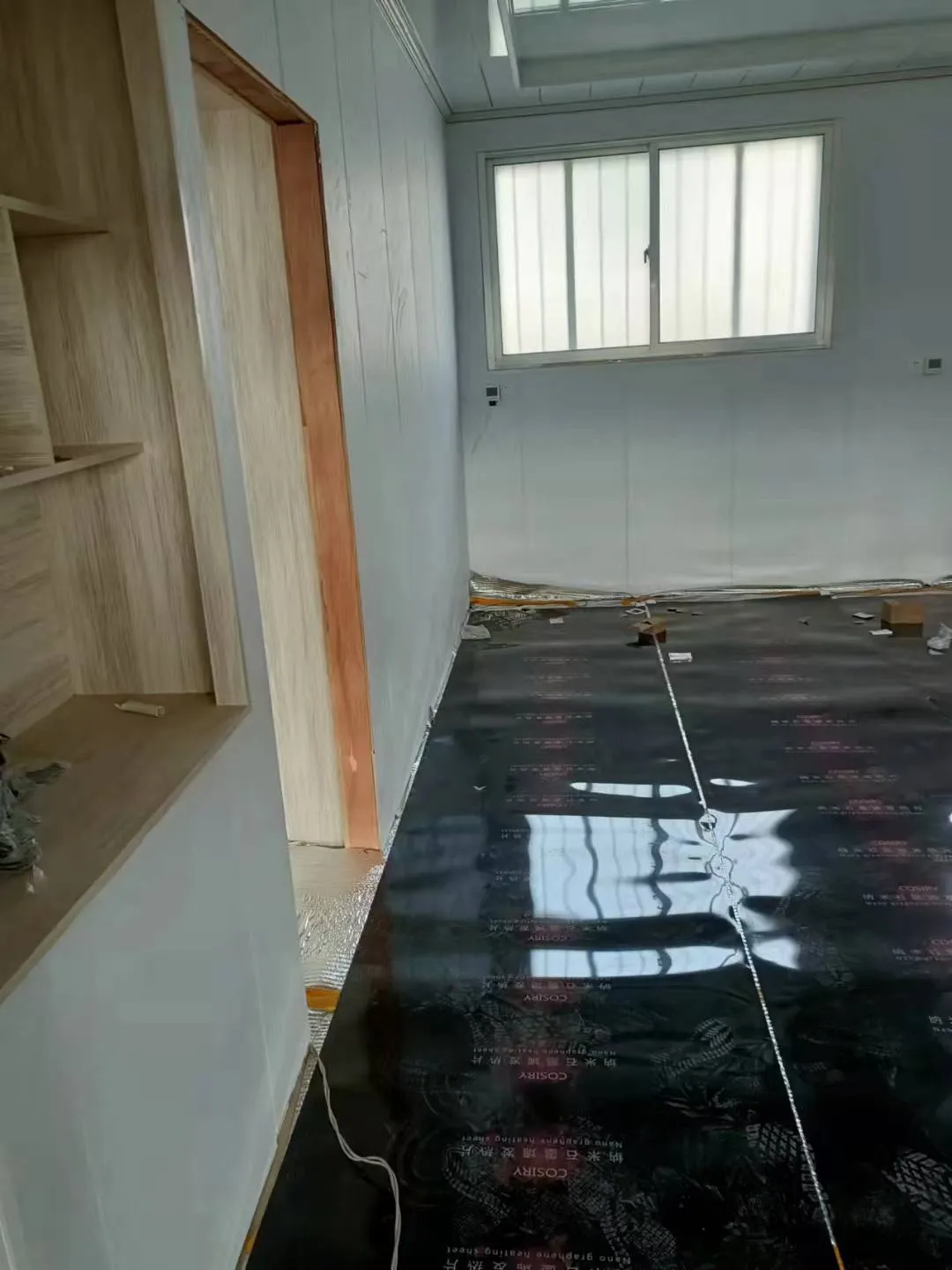
Graphene film for home
A two-room retrofit over the old slab, finished under laminate — the sizing, the steps and the film-versus-cable choice.
Read case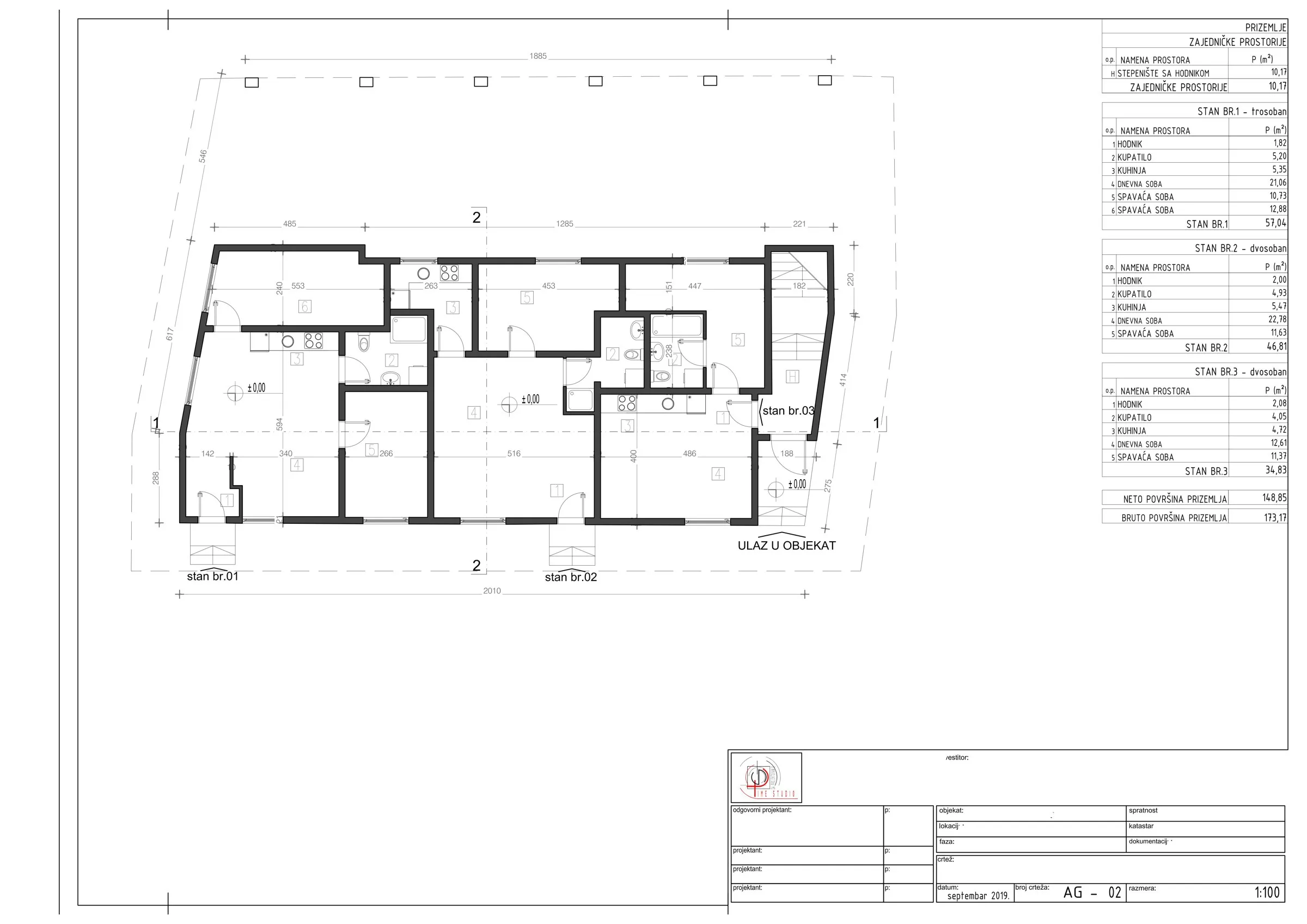
Apartment building heating
Zoning electric floor heating across a whole block from its floor plans, apartment by apartment and room by room.
Read case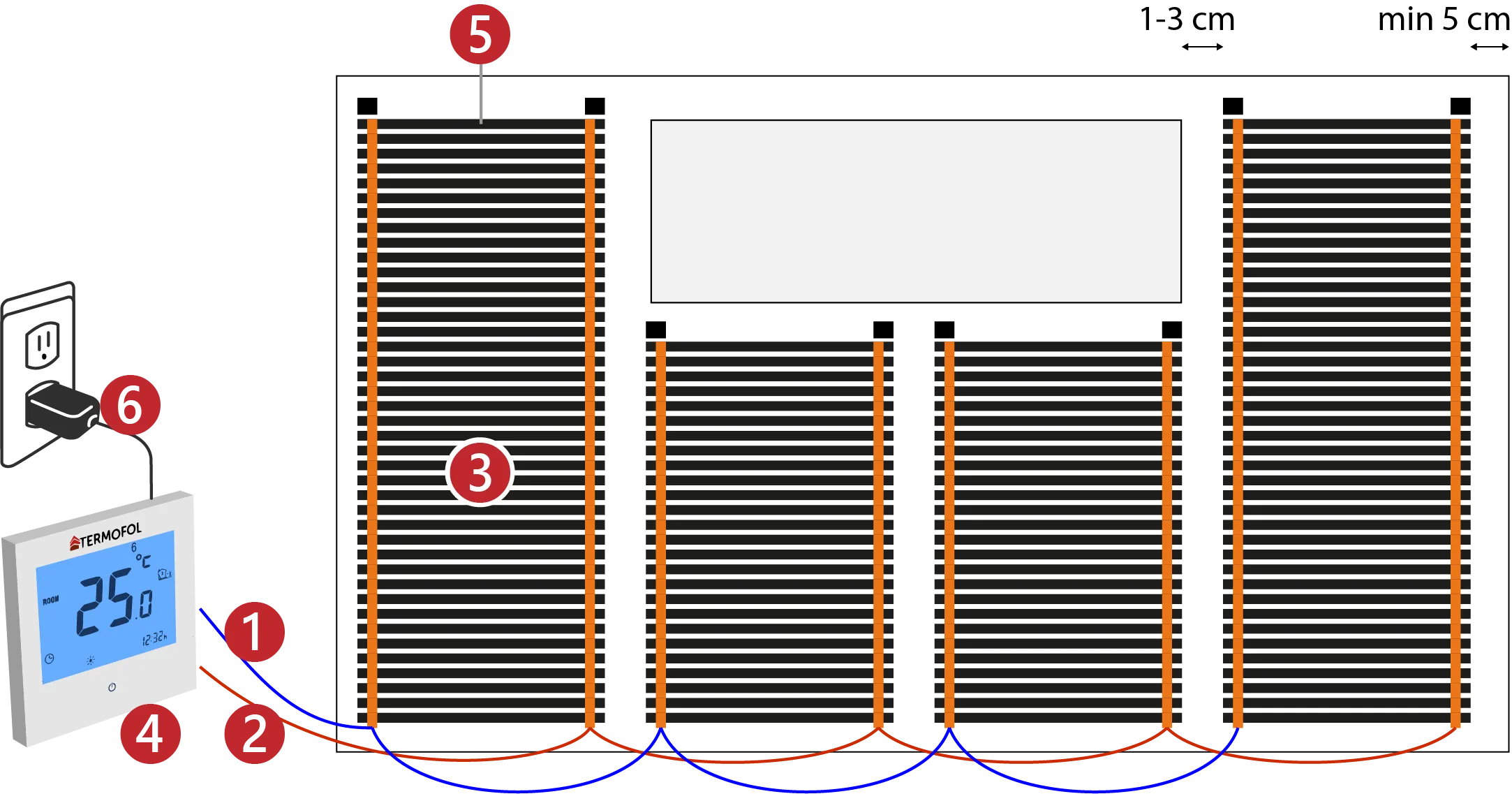
Thermostat wiring guide
Connections, floor sensor and spacing rules for pairing an electric film floor with the thermostat that runs it.
Read guide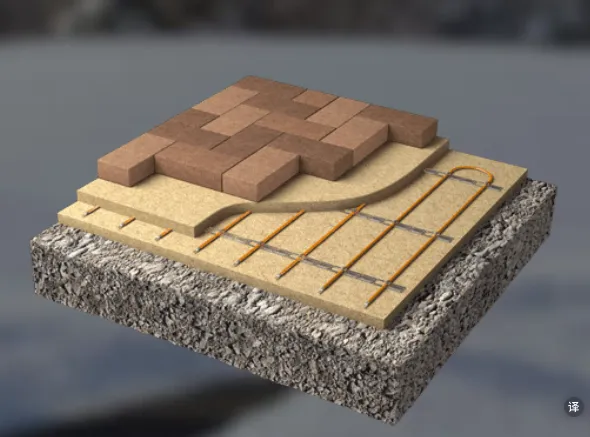
Patio snow melting
A heating layer under interlocking pavers keeps a terrace or driveway clear and safe through a winter of snow and ice.
Read case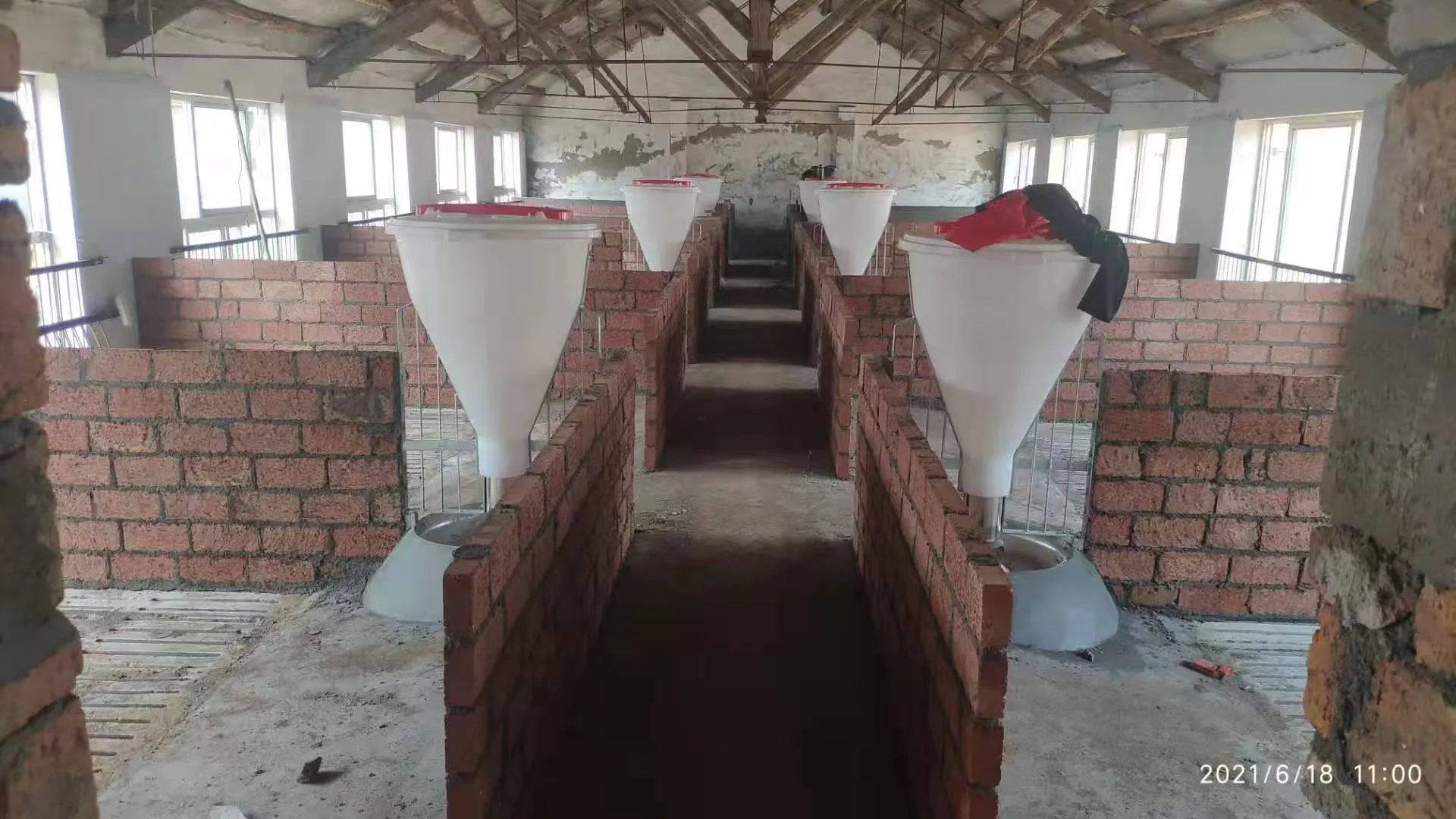
Piglet barn floor
Warm creep areas in a partitioned livestock barn — the temperatures, the mat sizing and the control that runs season after season.
Read case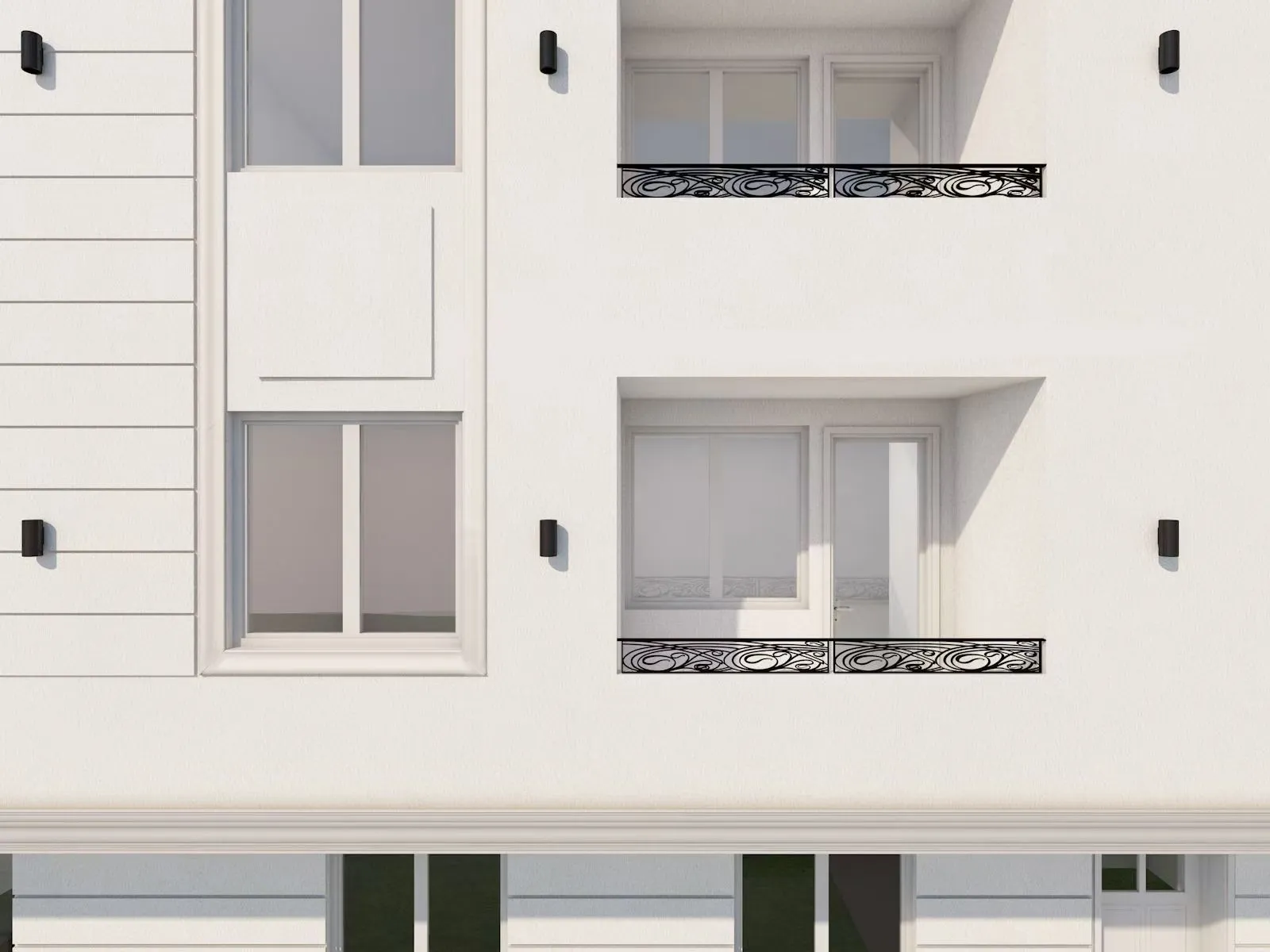
Palilulska Oaza apartments
Heating one 2-bedroom flat at a time, reading the rooms off the unit plans — film, mat, wattage and per-room control.
Read case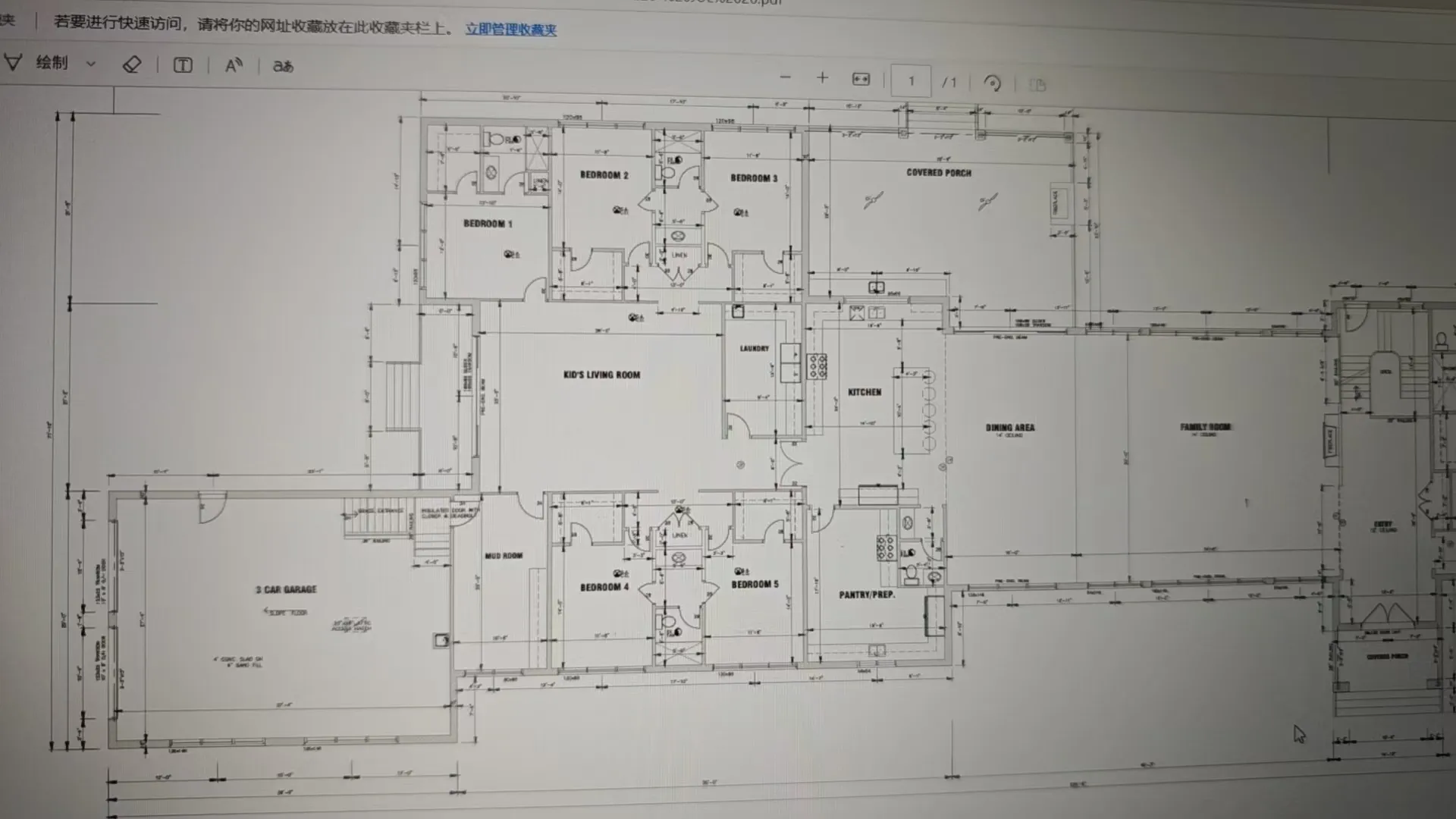
Heating mat for home
A five-bedroom Canadian renovation heated zone by zone with electric heating mat — the floor-plan zoning, the install sequence and the control setup.
Read case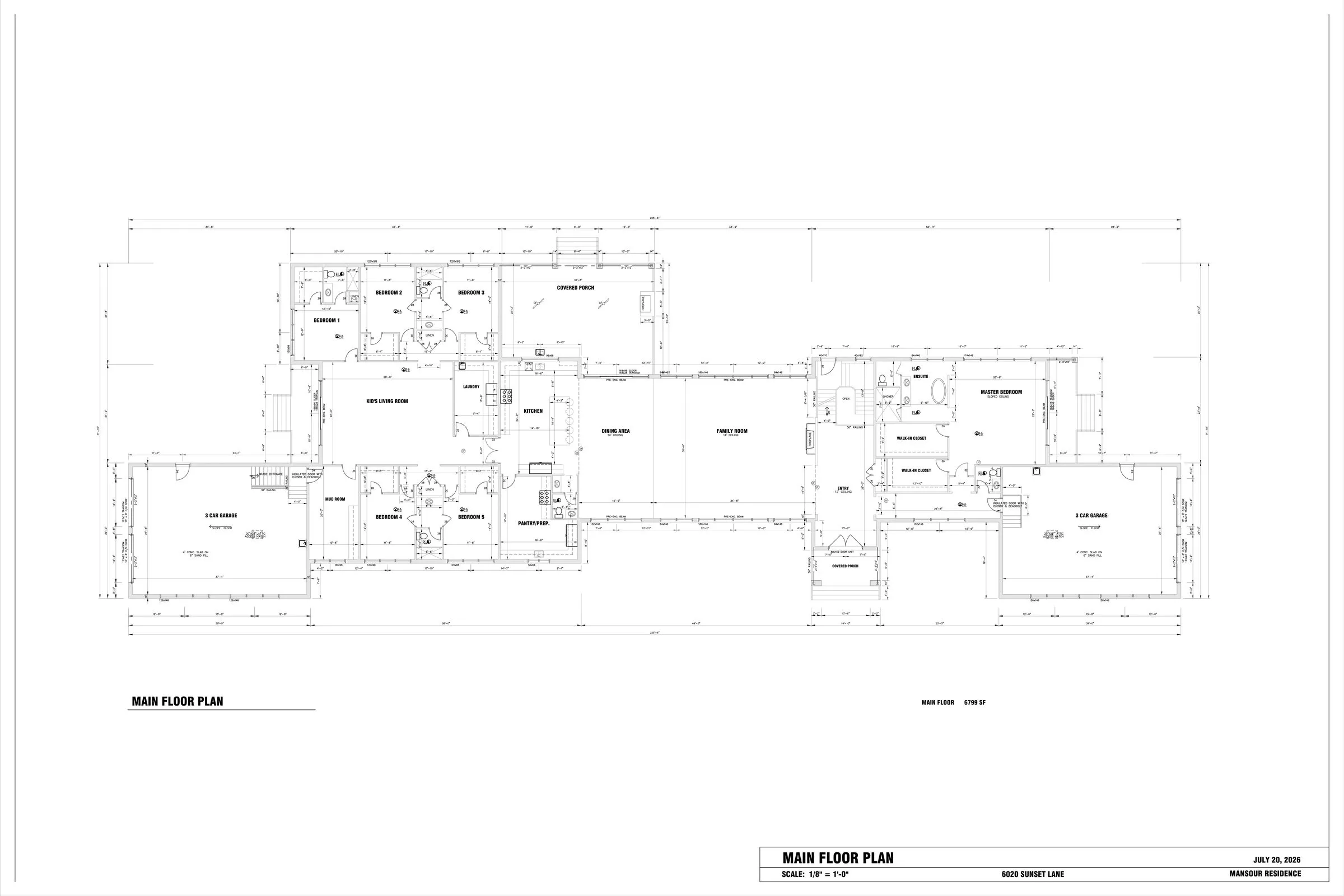
Heating cable & mat retrofit
A large Canadian home laid with heating cable in the open living block and mats under the tiled and standard rooms — read off the floor plan.
Read caseHotel Chain Heating Retrofit with Smart Thermostats
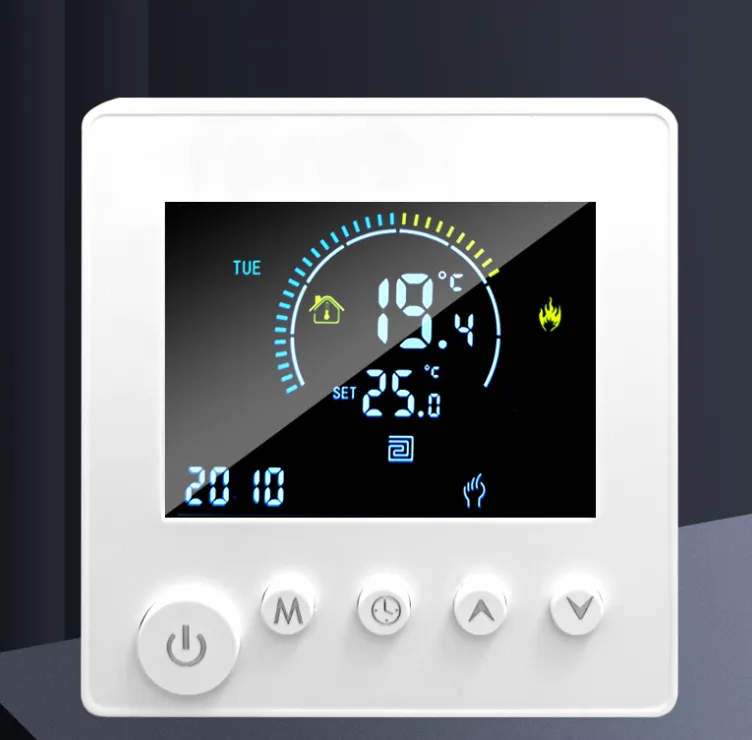
The pattern: control-layer upgrade, not element replacement. Most light-commercial heating waste sits in unmanaged controls, not in the element itself. This profile shows how a multi-property owner got payback from scheduling and remote visibility alone.
- Background — guest-room electric heating ran on manual controls; front-desk staff had no visibility of vacant-room temperatures; off-season bills far above plan.
- Solution — per-room WiFi smart thermostats with floor sensors where rooms ran on film or mat elements, weekly programmes by room type, common areas zoned on one dashboard.
- Scope — full guest-room thermostat count, floor sensors, wiring and back-box notes, scheduling handover so the hotel’s own team adjusts after support ends.
- Typical outcomes — common-area and unoccupied-zone energy use typically down 18–25% in the first controlled season; guest comfort complaints fell sharply; remote visibility from the dashboard.
- For your project — if your properties already have decent elements, a control-layer upgrade is usually the highest-return first project.
300 m² Graphene Underfloor Heating Villa
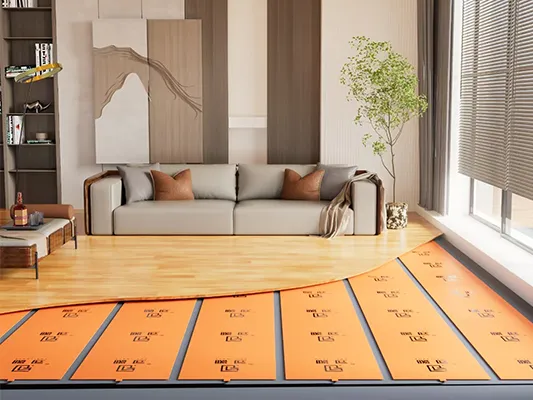
The pattern: a hybrid split by floor finish. A mixed-finish villa almost never wants one product on every floor — thin film where height is tight, robust mats where the floor gets tiled and wet.
- Background — three floors, ≈300 m² heated area, tile in bathrooms and kitchen, engineered wood and laminate on living floors, no radiators, minimal floor build-up.
- Solution — room-by-room layout drawings and load calculations: dry-laid graphene film upstairs, heating mats in tiled wet zones, floor-sensing thermostats per floor.
- Scope — film cut to layout widths, wet-zone mats, one thermostat per zone, insulation and fixing materials, printed wattage drawings, remote commissioning support.
- Typical outcomes — 20–40 minutes warm-up for dry-laid film, even ±1–2 °C across the usable surface, typical winter running costs 25–35% lower than replaced storage heating.
- For your project — bring the floor-finish plan and we will draw the film/mat split for you.
120 m² Apartment Renovation, Central Europe
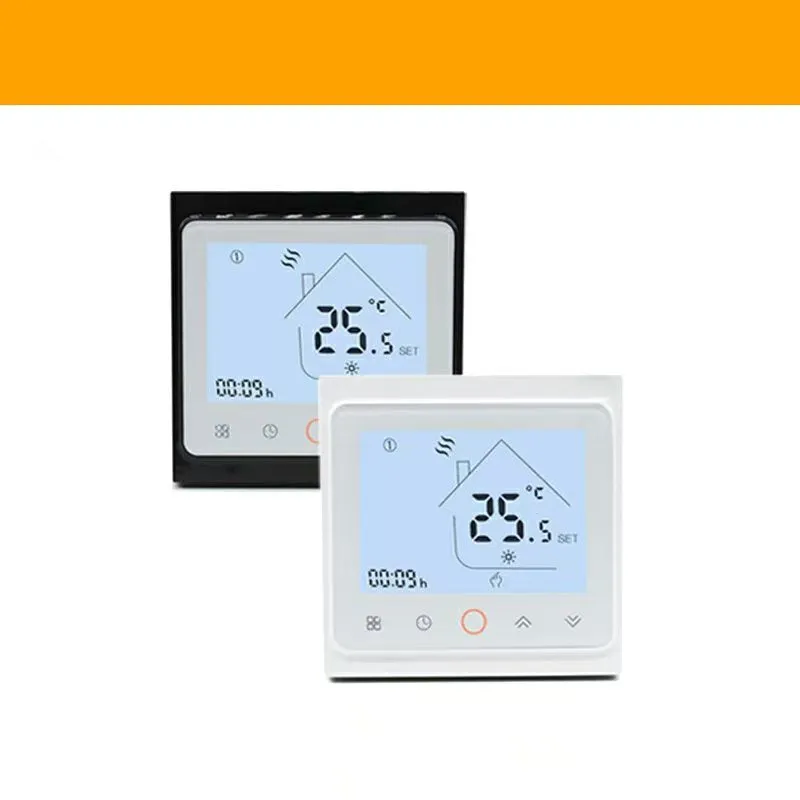
The pattern: height budget beats peak power. Old-building refurbishment is solved by scheduling and floor build-up, not by more wattage. An anonymized scenario with typical values shown.
- Background — 1960s rental apartment, ≈120 m², existing screed could not be raised, new finish laminate, tenants complained about cold floors.
- Solution — ultra-thin renovation film and mats dry-laid under new laminate, one WiFi thermostat with floor sensing, full installation kit.
- Scope — element, thermostat, fixing tape, insulation barrier and clips; crew completed the floor layer in roughly one to two days, no wet trades.
- Typical outcomes — ≈ €0.7–1.3 per m² per month for winter comfort heating; “cold floor” complaints disappeared after the first winter; warmth became a letting point.
- For your project — if your floor build-up allowance is under a few millimetres, dry-laid renovation elements are the only realistic route.
Pipe Freeze Protection at a Cold-Climate Loading Dock
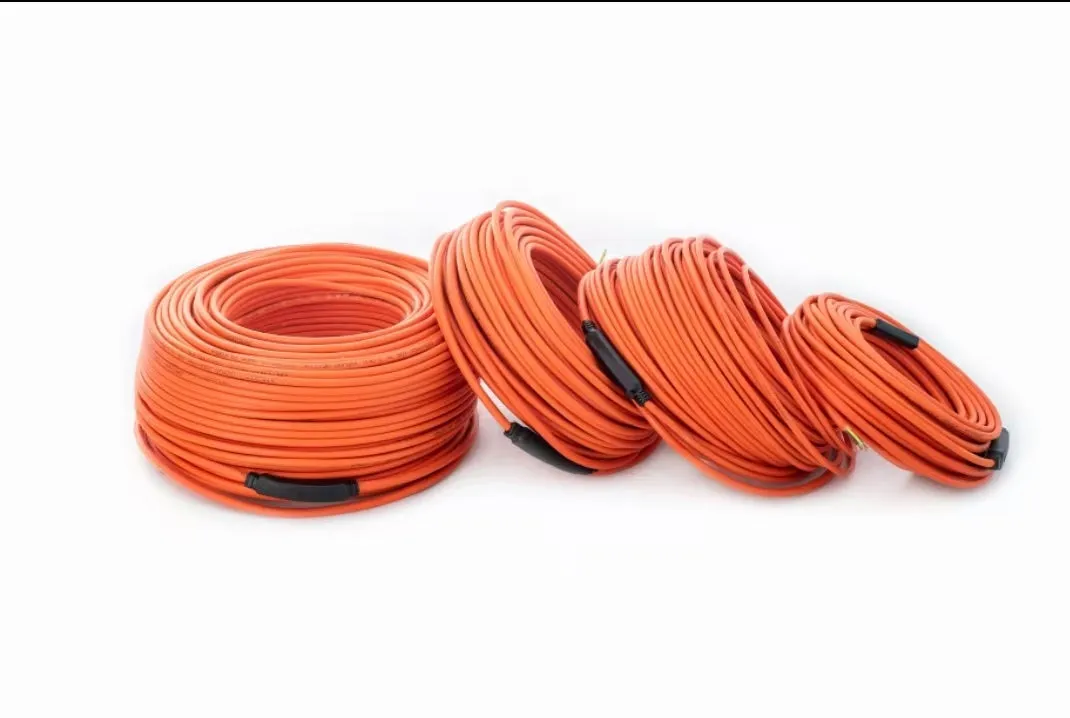
The pattern: thermostat-regulated trace heat, not always-on cable. Industrial freeze protection fails either by running continuously or by being remembered too late.
- Background — exposed water piping along an unheated loading-dock wall; a previous freeze event burst a section and closed operations for a day.
- Solution — freeze-protection heating cables fixed along the pipework, insulated after installation, ambient-sensing thermostat starts trace only near freezing.
- Scope — cables, fixing tape, weather-resistant connections and terminations, engineering notes adapted for pipe-mounted install.
- Typical outcomes — burst-pipe freeze events eliminated on protected piping; power drawn only during cold-risk windows; the single-day-closure risk removed.
- For your project — sensor position on the coldest exposure point matters more than any premium cable grade.
Snapshot: How the Four Profiles Compare
| Profile | Setting | Core products used | Characteristic result (typical) |
|---|---|---|---|
| Hotel thermostat retrofit | Multi-property commercial | WiFi thermostats + existing elements | 18–25% common-area energy reduction |
| 300 m² villa | Private residence, mixed floors | Graphene film + mats + zoned thermostats | 20–40 min warm-up, even ±1–2 °C floor |
| 120 m² apartment renovation | Urban rental refurbishment | Dry-laid film/mat + one WiFi thermostat kit | ≈ €0.7–1.3/m²·month winter cost |
| Loading-dock pipe protection | Cold-climate industrial | Freeze-protection cable + ambient thermostat | No freeze events, cold-window-only power use |
What These Projects Delivered
18–25%
Typical common-area energy reduction from setback scheduling in hotel retrofit patterns.
20–40 min
Warm-up time for dry-laid graphene film — versus hours for wet systems.
€0.7–1.3
Typical per m² per month winter running cost for a renovated apartment under Central European tariffs.
0 freeze events
Burst-pipe failures eliminated on thermostat-regulated trace-heated pipework.
Transparency & Method
Two profiles (the hotel-chain thermostat retrofit and the 300 m² villa graphene installation) are based on documented SunAura projects already summarized in our blog; two further profiles are representative examples written from typical installation patterns we see across the portfolio.
- Client confidentiality — client names and site addresses are withheld under non-disclosure practice; no profile here should be read as a named customer endorsement.
- Figures are typical — wherever figures appear they are marked as typical values from comparable projects rather than a single guaranteed result.
- Our purpose — to show how a SunAura engagement actually runs — background, engineering solution, delivery and outcomes — so you can judge whether your own project fits the same pattern.
- Reference contacts — if you need reference contacts for your own evaluation, ask us on the contact channel and we will explain what reference support we can arrange within our confidentiality rules.
Quick Answers on These Projects
Are these real customers, and can I get a reference?
Two profiles are documented SunAura projects summarized in our blog; two are representative examples written from typical installation patterns. Client names and site addresses are withheld under non-disclosure practice. If you need reference contacts, ask us and we will explain what reference support we can arrange within our confidentiality rules.
Why do the figures say “typical values”?
Energy savings, warm-up times and running costs depend on insulation level, floor finish, local tariffs and usage habits. Figures on this page are typical values from comparable projects, not a contractual guarantee for your site — we calculate your numbers on your layout before you order.
Can SunAura supply the engineering design, not just the products?
Yes. Each project profile included layout drawings, wattage calculations and commissioning support from our engineering team — and the same service applies to your project: send your area, floor type, voltage, country and timeline, and our engineers respond within 24 hours with a recommendation and quotation.
Which profile pattern fits my project?
Existing elements with high bills → start with the hotel control-layer pattern. Mixed-finish new build → the villa hybrid split. Tight-budget old building → the apartment renovation pattern. Exposed pipework in cold climates → the loading-dock trace-heating pattern.
Do you ship outside Europe and North America?
Yes — SunAura exports to 50+ countries across Europe, North America, Latin America, the Middle East and Southeast Asia, with EXW / FOB Qingdao terms, CIF and DDP discussed, and English, German and French support.
Start With a Conversation
Every installation starts with a conversation. Tell us about your project — area, floor type, voltage, country and timeline — and our engineers will respond within 24 hours with a product recommendation and quotation.