
Electric Heating Demand Response: How Smart Meters and Time-of-Use Tariffs Reshape the Running-Cost Equation in 2026
By Ethan Sun, Founder & CEO, SunAura Thermal
When buyers ask us about electric heating demand response, they are usually not talking about grid policy. They are asking a practical question: if my electricity is cheaper at night, how much can I actually save by heating a concrete floor then, and which heating system is built to shift its load? This article looks at how demand response programs, smart meters and time-of-use tariffs change the economics of electric underfloor heating, and what a buyer should verify before choosing between cable, film and heat-storage systems.
The honest headline: the same 100 m² floor can cost very different amounts depending on whether the tariff rewards night charging and whether the floor has enough thermal mass to store it. Demand response is the mechanism that connects the two. Understanding it now matters more than it did two years ago, because regulators across Europe and North America are pushing electric heating toward flexible consumption at a fast pace.
What Is Demand Response, and Why Does Electric Heating Fit It So Well?
Demand response means shifting electricity use away from peak periods, either voluntarily through price signals or through direct control by the network operator. Energy regulators describe it as one of the cheapest ways to balance a grid, because it avoids building new peaking plants. Electric heating is unusually well suited for it because a building is, in effect, a thermal battery: you can heat it in advance and let it coast through the expensive hours without the occupants noticing.
Per guidance from European energy agencies and the EU Energy Efficiency Directive framework, flexible consumption is expected to become the default expectation for new electric heating installations. The practical consequence for a buyer is simple: an electric floor that cannot be programmed and cannot receive tariff signals is an asset that loses value. An electric floor that can preheat before midnight and switch off before the peak window is a system that pays part of its own cost back every month.
Smart Meters and Time-of-Use Tariffs: The Mechanism Behind the Savings
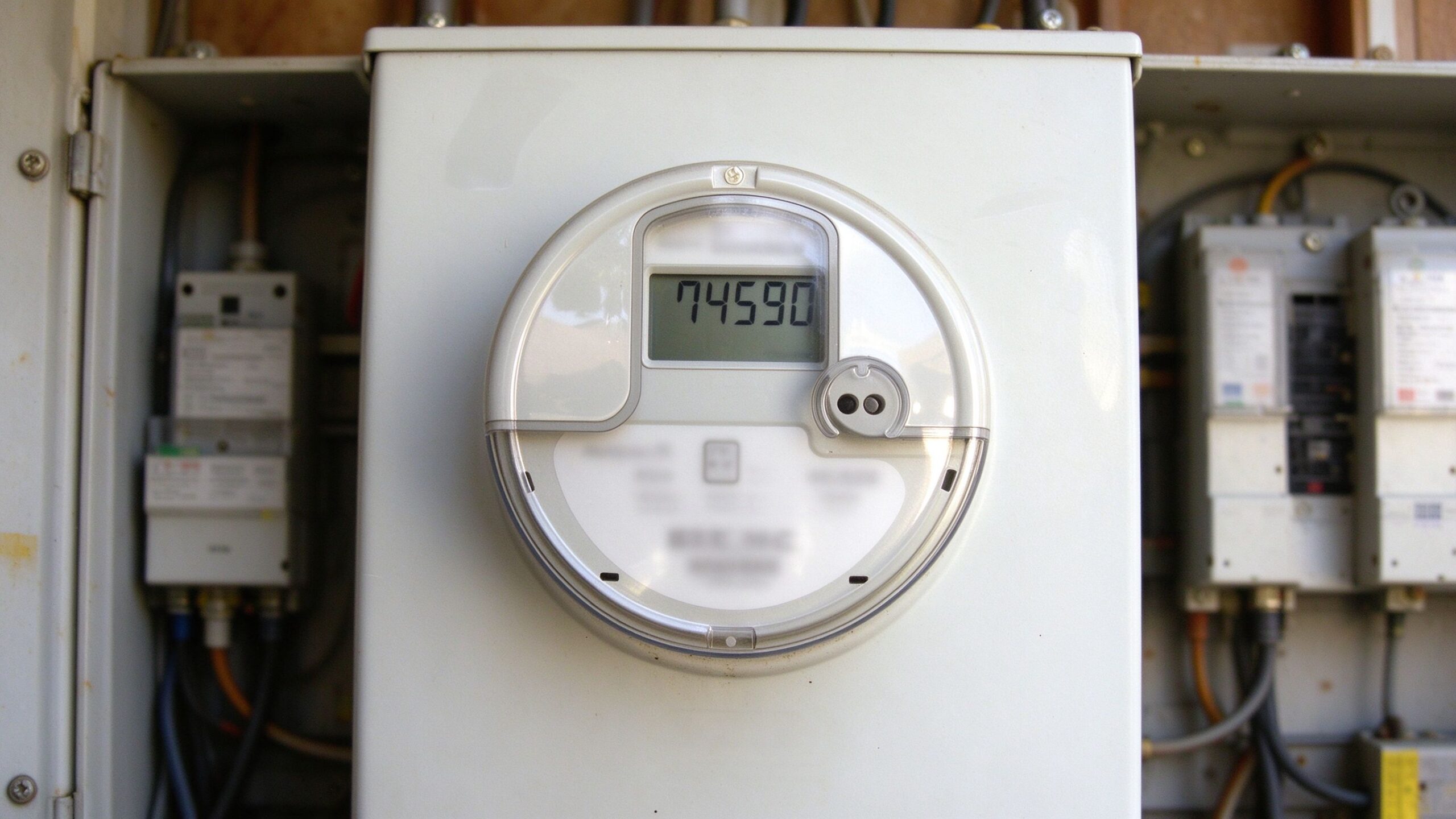
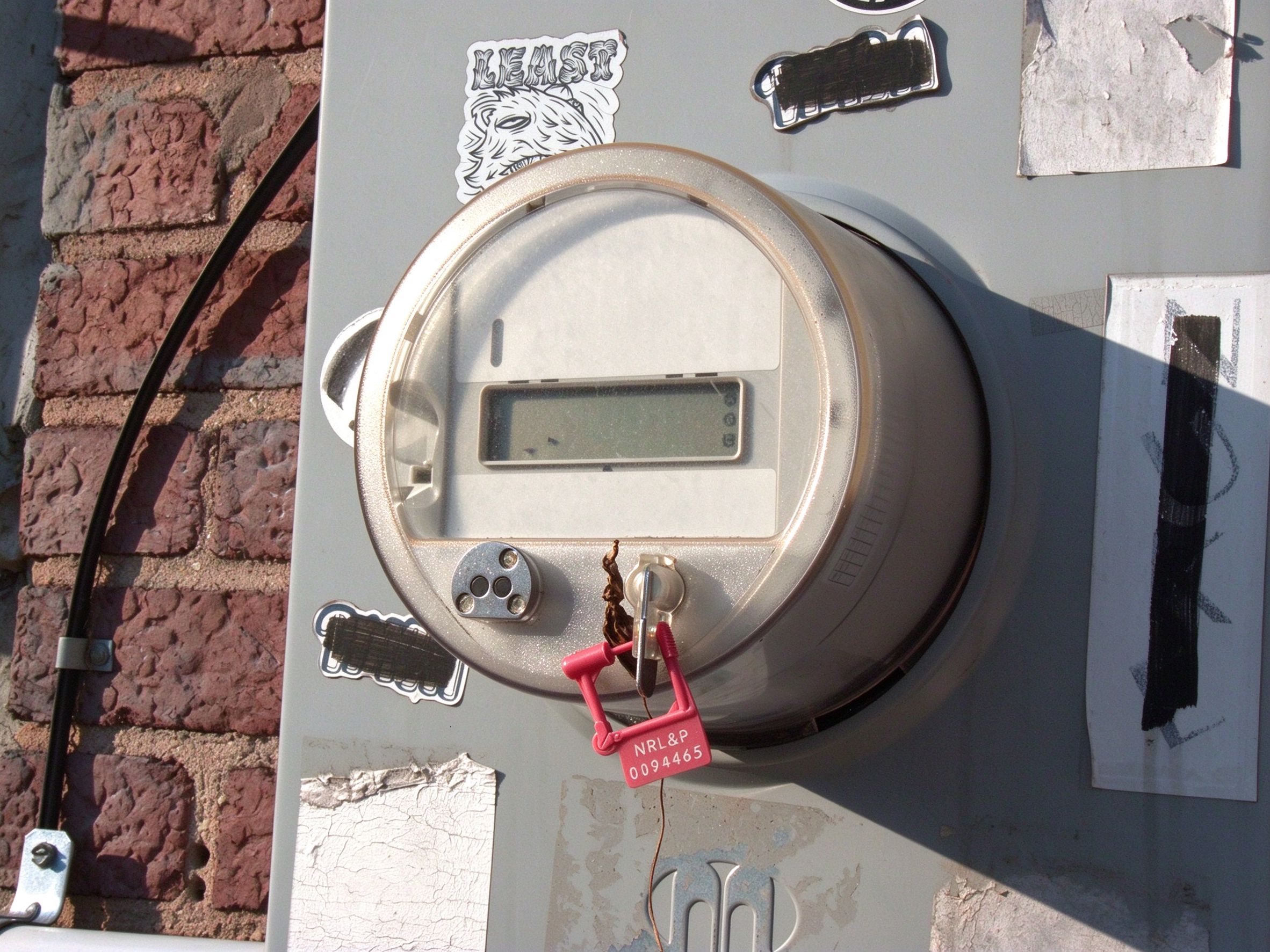
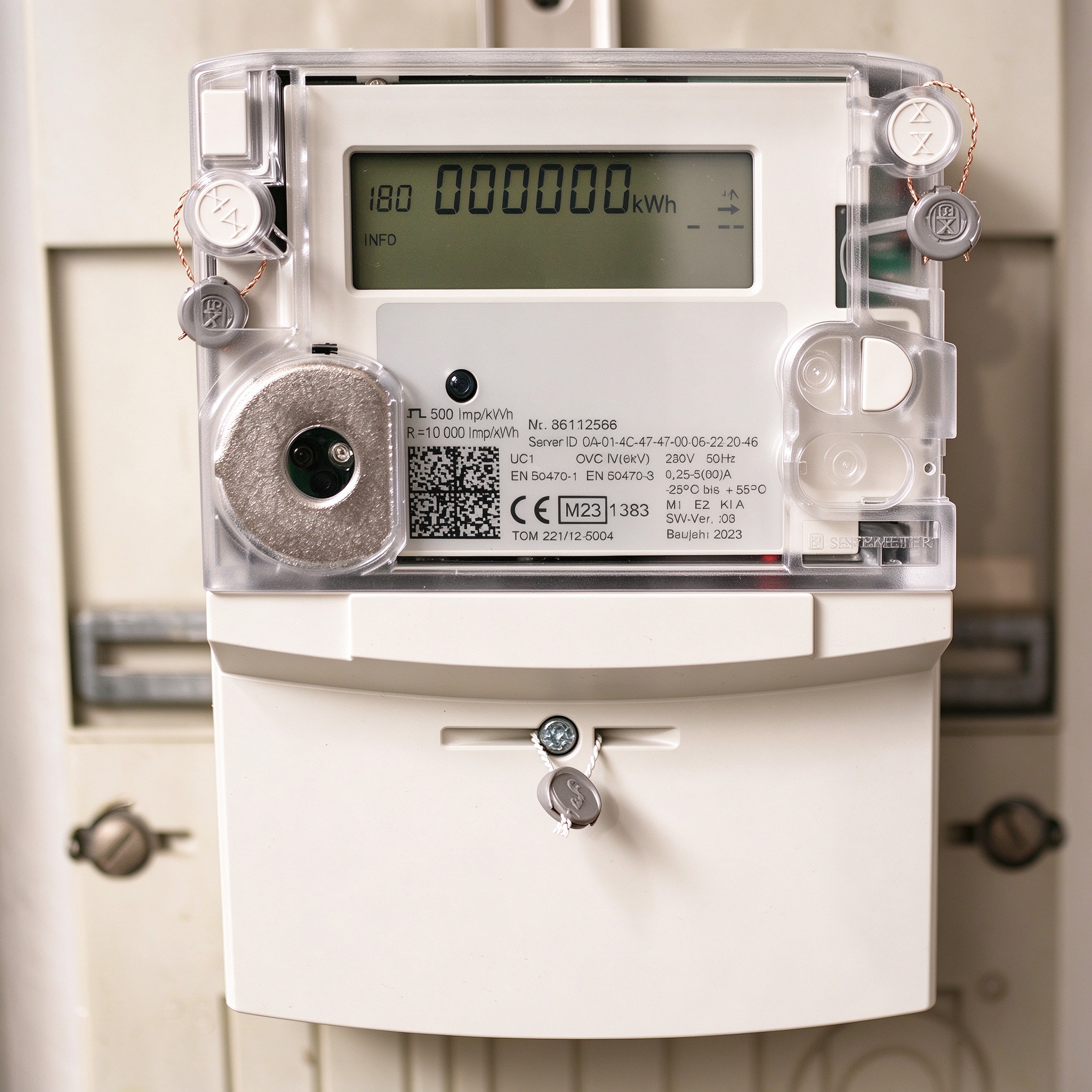
A smart meter is what makes time-based billing practical. The meter records consumption in half-hour or hourly intervals, and the tariff applies a different rate per interval. National rollouts differ, but the direction is consistent: regulators in several EU states and US states have mandated or subsidised smart metering, and dynamic tariffs are spreading beyond the early adopters.
The arithmetic for a floor heating buyer: if the night rate is, say, a third of the peak rate, and your floor can store four to six hours of heat in its screed or slab, you can run the heating only during the cheap window. The savings depend on the tariff spread and the floor’s thermal mass, not on the heating brand. This is why the same system makes sense for one buyer and not another, and why a generic “electric heating is expensive” argument is usually wrong for well-designed installations.
Thermal Mass Is the Product Decision: Concrete Slab vs Screed vs Dry-Lay Film
Not every electric floor can store heat. The storage capability is decided by the mass of the construction above the heating element and below the floor finish. This is where the comparison becomes a genuine procurement decision.
| System type | Typical build-up | Storage window | Best tariff strategy | Main limitation |
|---|---|---|---|---|
| Heating cable in concrete screed | 35–50 mm screed over cable | 4–8 hours (high) | Night-only charging works well | Heavier build-up, slower to warm |
| Heating cable or mat in thin self-levelling layer | 5–15 mm over element | 1–2 hours (low) | Best with broad low-rate windows | Limited storage, reacts fast |
| Heating film dry-lay under floating floor | No screed, direct under finish | 30–60 minutes (very low) | Needs frequent on/off, less suited to deep night-only shifts | Fast response, thin build-up |
| Dedicated heat-storage floor | 100 mm+ thermal store | 8–12 hours | Designed for night tariffs | Heavy, expensive, slow control |
Per EN 1264 design guidance, the usable heat output of a floor is a function of surface temperature and pipe or cable spacing; the storage time is a function of mass and insulation below. Both can be quantified before purchase. If your tariff has a narrow cheap window and you want deep savings, specify a screed-embedded cable or a storage construction. If you are retrofitting over an existing floor and your tariff spread is modest, a fast-response film with smart scheduling may be the better economics because you are not paying to heat mass you do not use.
Demand Response in Practice: European and North American Signals in 2026
Regulatory signals worth watching, described per public guidance from energy regulators and agencies rather than as a forecast: European building policy continues to push electrification of heating through the revised Energy Performance of Buildings Directive, with the expectation that new heating capacity is controllable; several markets are moving from static day/night tariffs to dynamic prices that change daily with grid conditions. On the North American side, utility demand response programs increasingly include smart thermostats for electric heating and cooling, and some programs offer bill credits for allowing brief load reductions during critical peaks.
For a buyer, the implication is that “programmable” is no longer enough. The system should accept a schedule, hold a target temperature, and ideally accept remote or automated adjustment, so it can chase cheap hours as tariffs evolve. Wired or Wi-Fi thermostats with scheduling and cloud connection cover most of this need today.
A Worked Example: Night-Charging a Screed Floor
To make the arithmetic concrete, take a 60 m² living area with a design output of 90 W/m². Full-load demand is about 5.4 kW, but a well-insulated screed system does not run full-load all day. On a cold winter day the floor might need roughly 30–40 kWh to hold temperature. With a static day/night tariff where the night rate is a third of the day rate, shifting 70 % of that consumption into the night window cuts the energy bill for heating by roughly a fifth to a quarter, before any other efficiency measures. If the tariff is dynamic and the floor can preheat before a late-afternoon peak, the saving can be larger on the worst days, which is when most households actually notice the bill.
Two caveats keep this honest. First, the storage window must match the tariff window; a thin dry-lay floor cannot hold heat through an eight-hour night gap, so the schedule needs a morning boost. Second, the thermostat must support a setback schedule and, ideally, a preheat function; a simple on/off timer wastes part of the cheap window warming an already-warm floor. These details, not the cable brand, decide the realised saving.
Pairing with a Heat Pump: Where Electric Floors and Demand Response Meet
Buyers considering a heat pump alongside electric floors sometimes assume the two compete. They do not; they combine. A heat pump can serve water-based radiators or underfloor loops at low flow temperature, while electric elements handle zones where water is impractical, such as retrofits with thin build-up or bathrooms. In demand response terms, the heat pump’s water store and the floor’s thermal mass are both shiftable loads, and modern controls can coordinate them so the whole house charges cheap energy at night and coasts through the peak.
The selection logic is practical: if you are building new with a heat pump, hydronic loops give the best coefficient of performance, and electric film or cable fills the zones water cannot reach. If you are retrofitting and want simplicity, an all-electric floor with smart scheduling is often the lower-capital route even where a heat pump is technically possible, because it avoids the buffer tank, pipework and pump room. Buyers should price both routes including the tariff-fit, not just the hardware.
What to Ask a Supplier Before Signing a Quote
When you compare demand-response-ready heating systems, put these questions in writing: does the thermostat support full weekly scheduling with setback periods, can it be connected to a smart home hub or cloud service for dynamic tariff integration, does the system documentation mention load-shifting scenarios, and what is the maximum circuit the controller can switch. Also ask for the floor’s storage estimate in hours for your build-up, not just a W/m² figure. A supplier who can answer all five is selling a system; one who cannot is selling components.
How to Run the Numbers Before You Buy
Run this five-step calculation with any supplier before comparing prices:
- Estimate the floor’s design load in W/m² for your region (a separate guide covers this; see the buying guide below).
- Get your tariff’s on-peak, off-peak and (if available) dynamic prices per kWh.
- Estimate the storage window from the build-up thickness above the element.
- Model the heating schedule: cheapest-window charging plus coasting.
- Compare the annual kWh and the resulting cost against the unshifted scenario.
The difference between steps 3 and 4 is usually where the payback comes from. A buyer who skips the storage question often overpays for a fast-response system and then runs it during peak hours because the schedule was never set up.
Common Misconceptions
“Electric heating is always more expensive than gas.” With a wide time-of-use spread and adequate thermal storage, the marginal running cost can be competitive, particularly in markets where carbon taxes raise gas prices.
“Demand response means the utility can switch off my heating.” In most voluntary programs you retain the ability to opt out; the reward is for flexibility, not surrender of control.
“A smart meter saves money automatically.” It does not. The savings come from the schedule and the tariff plan you choose; the meter only measures them.
Data and Evidence
Policy direction and demand response mechanisms are described per EU Energy Efficiency Directive framework, EPBD direction and public guidance from energy regulators; tariff arithmetic examples are illustrative, not a promise of any specific rate. Floor heating design assumptions follow EN 1264 guidance. Product capability statements (programmable Wi-Fi thermostats, cable and film ranges) reflect SunAura Thermal product lines; the factory has produced heating elements in Qingdao Huangdao since 2008 (17 years), maintains ISO 9001/14001/45001 and CE/RoHS/LVD/EMC compliance, and exports to more than 50 countries, per SunAura factory records.
FAQ
Can I use underfloor heating only at night? Yes, if the floor has enough thermal mass. Thin dry-lay systems warm and cool fast, so they suit broader cheap windows; screed systems store well for narrow night windows.
Do I need a special thermostat for demand response? A programmable or Wi-Fi thermostat with a schedule is the minimum; remote-capable models let you chase dynamic tariffs as they change daily.
Is demand response available for off-grid or solar homes? Solar owners can use the same scheduling logic in reverse: heat when the sun is generating and coast in the evening. Battery and inverter sizing still decides the outcome.
Does demand response require the utility to control my system? Not necessarily. Price-based response works automatically through your schedule; direct-control programs are separate and usually voluntary, with opt-out rights.
Will a smart meter increase my bill? The meter itself only measures. Bills change with the tariff plan and the schedule you run; a poorly scheduled electric floor on a dynamic tariff can cost more than a flat tariff, which is why the calculation matters.
What to Expect as Tariffs and Rules Evolve
The direction of travel is visible in current policy language: heating is being treated as a flexible load, smart meters are becoming the billing default, and new heating installations are expected to be controllable. For a buyer this changes the purchasing criteria: choose systems whose controls can adapt, keep the option to change tariff plans, and avoid hardware that is locked to a fixed schedule or a single static tariff. Equipment that only understands “on at 6 pm” will age poorly, while a programmable system with cloud or hub connectivity can follow whatever pricing the market introduces. This is less about predicting the future than about not painting yourself into a corner with inflexible hardware.
Conclusion: What to Buy, and How to Start
If your region already has smart metering and time-of-use tariffs, prioritise thermal storage: choose a screed-embedded heating cable for wet builds and a programmable Wi-Fi thermostat with scheduling. If you retrofit with limited height, a fast-response heating film still benefits from smart scheduling even if its storage window is short. Before any purchase, model the schedule against your tariff.
For the next step, read how many watts per square metre your floor needs, or compare 2026 electricity price scenarios for a worked example. To request a load calculation and tariff-fit analysis, email Ethan at [email protected] with your room plan and tariff sheet.