
Overview
Heat trace cable — also called heat tracing or trace heating — is a resistance heating cable fixed along a pipe, tank or gutter to replace the heat that the surface loses to cold air. It is not space heating. The job is narrower and more demanding: keep water above freezing, hold a process line at a set temperature, or stop ice forming in a roof drainage path where meltwater refreezes at the eaves.
SunAura builds three cable families for this work. Self-regulating PTC cable suits pipe tracing, where ambient swings, circuits overlap and nobody wants a burnt-out section after a bad splice. Constant-wattage silicone cable suits higher temperatures and short runs where output has to be predictable. Twin-conductor floor cable covers the cases where the same cable type also has to warm a floor. All three are double-insulated and rated IPX8 for wet screed, standing water and outdoor service.
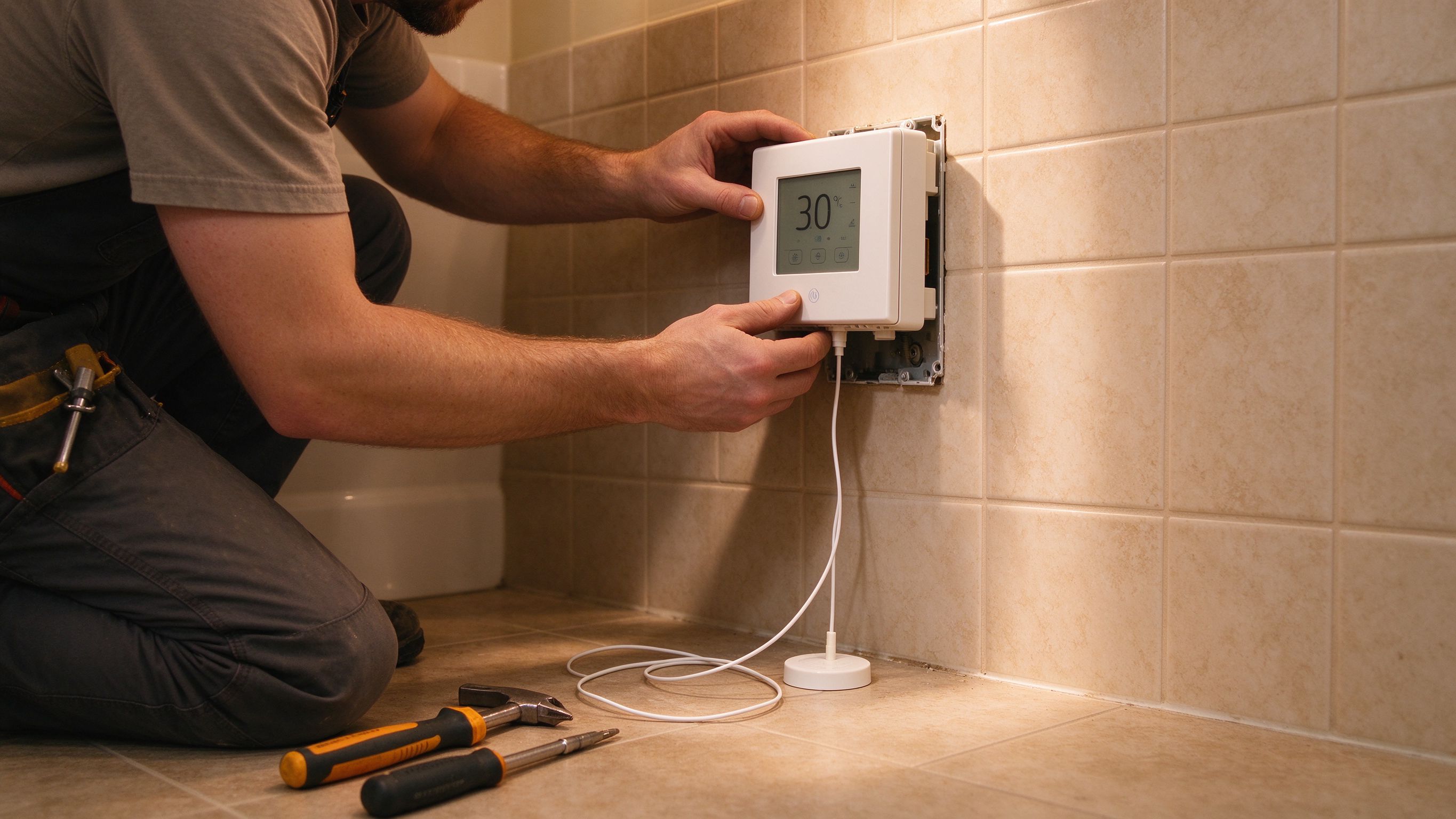
When heat tracing is actually required
Most enquiries arrive after a failure, which is the expensive way to specify it. The four situations where tracing earns its cost:
- Freeze protection of water lines — outdoor runs, unheated plant rooms, fire sprinkler mains, and any pipe that stands full and idle through winter.
- Process temperature maintenance — lines that must stay above a viscosity or crystallisation threshold, not merely above 0 °C.
- Roof and gutter de-icing — valleys, parapets and downpipes where meltwater refreezes and loads the structure.
- Surface and equipment frost protection — tank farms, dosing skids, loading arms, outdoor instrumentation.
If a line only freezes during a handful of nights a year and can simply be drained, tracing is the wrong answer. If it cannot be drained, or downtime costs more than the cable, it is the right one.
Cable families and where each one belongs
Self-regulating PTC cable
The conductive core changes resistance with temperature: cold cable draws more power, warm cable draws less. That behaviour is what makes it the default for pipe tracing — circuits can be overlapped, a section left uninsulated will not cook itself, and a long run can be cut to length on site without recalculating resistance. See the self-regulating heating cable range for wattage options and jacket types.
Constant-wattage silicone cable
Output is fixed per metre regardless of temperature, which is what you want when the process temperature is high, the run is short, or the specification demands a known number. Silicone insulation takes higher temperatures than polyolefin and stays flexible in tight spaces. Overlap is not allowed — output does not fall away as the cable warms. See the silicone heating cable range.
Constant output earns its place on tank walls and short pipe runs, where the circuit total should be settled before the cable is cut: silicone heating cable, 50 W/m gives the same watts every metre, so length times 50 W/m is the number that goes into the quote. Nothing self-regulates here, which is exactly why it suits a known 60 °C tank wall rather than a pipe that runs hot and cold.
Twin-conductor floor and snow-melting cable
Two conductors plus a single cold lead per circuit, so installation is one termination rather than a loop back. Used under screed, in soil beds and in snow-melting mats. See the heating cable overview if you are comparing this family with a heating film.
Sizing: the five numbers we need before quoting
Heat loss drives everything. Cable wattage is chosen to replace the loss plus a margin, not picked from a catalogue page. Send these five inputs and the selection stops being guesswork:
- Pipe size and material — DN or inch size, steel / copper / HDPE / PVC.
- Minimum ambient temperature — the design low, not the average winter.
- Insulation type and thickness — mineral wool, PU, EPDM, with thickness in mm.
- Voltage and available power — 230 V single phase is normal; 400 V three-phase changes the control and contactor selection.
- Hazardous area or certification requirement — ordinary industrial, or an Ex-rated location.
Typical insulated-pipe losses at −20 °C ambient, useful as a sanity check rather than a design:
| Pipe size | Insulation 30 mm | Insulation 50 mm |
|---|---|---|
| DN20 – DN25 | 12 – 18 W/m | 9 – 13 W/m |
| DN32 – DN50 | 18 – 26 W/m | 14 – 20 W/m |
| DN65 – DN100 | 26 – 38 W/m | 20 – 29 W/m |
| DN150 and above | 38 – 55 W/m | 30 – 42 W/m |
| Tank / vessel surface | 30 – 60 W/m² depending on insulation and wind exposure | |
Add 10–20 % margin for wind, valve bodies, supports and uninsulated flanges. Then pick the nearest standard wattage above the calculated figure — do not pick below and hope the thermostat compensates.
Installation essentials
- Fix, do not drape. Cable is applied with aluminium tape and tie-wraps at regular intervals; loose cable sags, touches itself and creates a hot spot.
- Cold lead at the right end. Terminate outside the insulation, in a junction box, not under the lagging.
- Sensor placement decides the control quality. The thermostat sensor goes on the opposite side of the pipe from the cable, under the insulation, so it reads pipe temperature rather than cable temperature.
- Insulation after tracing, never before. A traced line without insulation is a heater running to waste; the lagging is part of the system, not an extra.
- Do not overlap constant-wattage cable. With PTC the risk is lower, but neat spacing still matters for even heat.
- Keep the RCD. A 30 mA residual-current device on the circuit is standard practice for outdoor and wet-location tracing.
Commissioning and seasonal checks
Three tests decide whether the installation will survive its first winter: insulation resistance of each circuit before energising, a current draw reading per circuit once energised (cold start), and a repeat reading after the insulation is closed up. Record all three — the numbers are the baseline for every fault call later.
Each autumn, before the first frost: check the thermostat setpoint and sensor, measure insulation resistance again, confirm the RCD trips, and inspect for cable damage where maintenance staff have been working. Most trace failures are mechanical damage found too late, not cable failure.
Applications
- Pipe freeze protection — sizing and control
- Fire sprinkler and wet riser frost protection
- Sewage and drainage line protection
- Tank, vessel and dosing skid tracing
- Roof, gutter and downpipe de-icing
- All applications
FAQ
Heat trace cable or heating film for my project?
Different jobs. Film heats a room surface; trace cable keeps a pipe or vessel from freezing. If you are deciding between them for a floor, read heating film vs heating cable.
Can I use one thermostat for several circuits?
Only within the contactor rating. Above roughly 16 A total, use a contactor and let the thermostat switch the coil. Industrial installations normally use one thermostat per pipe group with a shared contactor panel.
How long do the cables last?
A correctly installed PTC cable in an insulated pipe typically runs 15–25 years. Failures trace back to mechanical damage, water ingress at a badly made joint, or a circuit run at the wrong voltage.
Do you supply cut lengths?
Yes — circuits are made to length, with the cold lead fitted in the factory, so on site it is one termination rather than a splice.
What is the lead time?
Standard wattages ship from stock in Qingdao; custom lengths and Ex-rated variants add production time. Send the five sizing inputs and we confirm both the selection and the date.
Request a specification review
Send the five inputs above — pipe size, design ambient, insulation, voltage, certification — and we return a cable selection, a wattage per metre, a circuit layout and a price within 48 hours. If the line already froze last winter, say so and include a photo of the pipe run; that usually shortens the exchange by two emails.
Related reading
Send these five points, get a sized offer in 48 hours
Indicative factory-direct range: US$1.50–8.00 per metre, ex-works. Final price depends on wattage, jacket and length — quoted within 24 hours.
No catalogue guessing. These five inputs let our engineers compute the wattage and the circuit layout before we quote:
- 1. Pipe size and material (DN or inch; steel / copper / PE / PVC)
- 2. Design ambient minimum (°C) — the coldest case, not the winter average
- 3. Insulation type and thickness (mineral wool, PU, EPDM; mm)
- 4. Supply voltage and available power (230 V single phase, or 400 V three phase)
- 5. Hazardous area or certification requirement (ordinary industrial or classified zone)
You receive: cable family and wattage per metre, circuit layout with cold-lead lengths, bill of material, price and lead time.
Also in this range
Related Products You May Need
Pair this product with compatible SunAura components — one factory, one warranty.
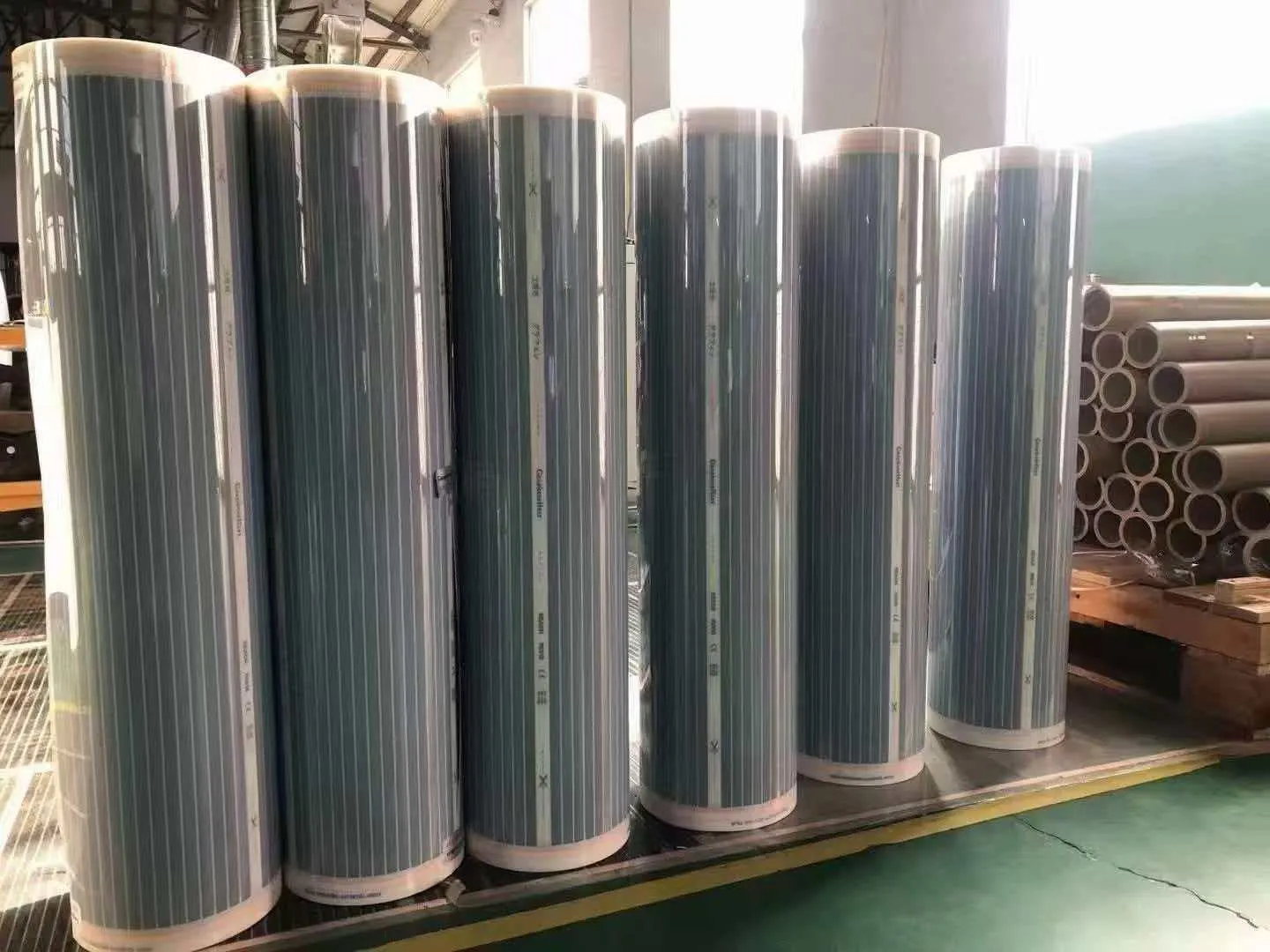
Graphene Heating Film
Ultra-thin, flexible far-infrared film with >99% heating efficiency. Widths 10–100 cm, IP67 waterproof, custom lengths for any project.
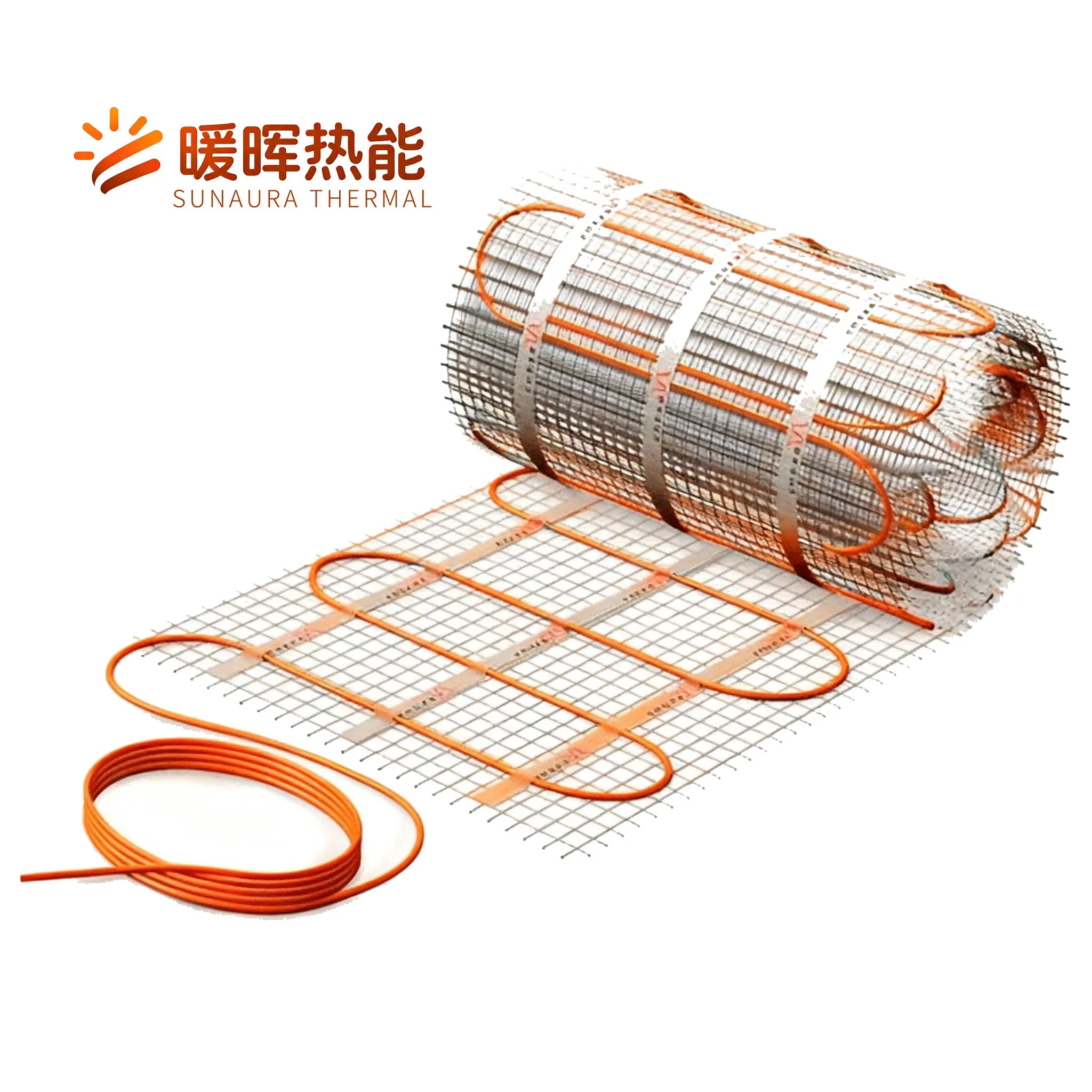
Electric Heating Mats
Self-adhesive 160 W/m² mats for ceramic and stone floors. 3.6 mm thin, EMF-free, 25-year warranty, ready to install under tiles.
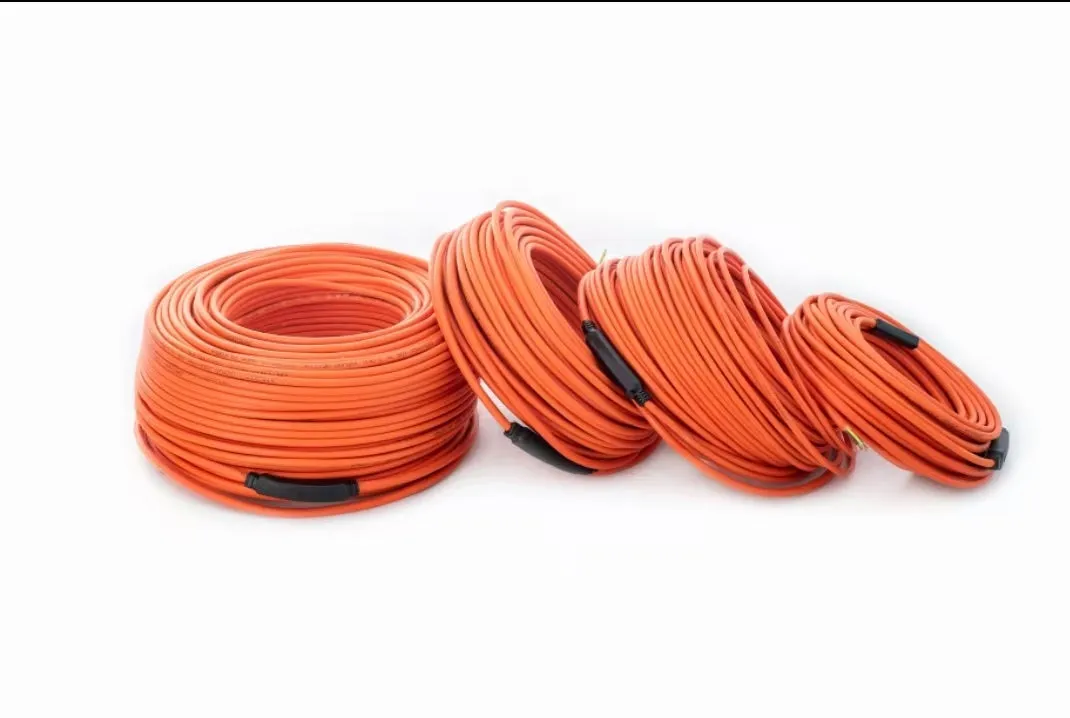
Heating Cables
Durable alloy-resistance cables for underfloor heating, pipe antifreeze, roof and road snow melting and equipment insulation. IPX8 rated.
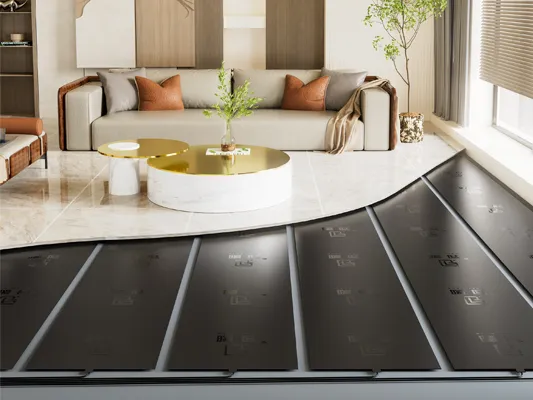
Tile Floor Heating
Graphene film underfloor heating for ceramic, porcelain and stone floors — fast warm-up, EMF-free, no screed required.