
Pipe Freeze Protection Heating Cable: How a Dairy Farm Protected 400 Metres of Water Lines Through a −25 °C Winter
By Ethan Sun, Founder & CEO, SunAura Thermal
Frozen water lines are one of the most expensive problems a farm, workshop or holiday home can face in winter. A single burst line can flood a feed room, stop a milking parlour and cost more in downtime than the heating solution would have cost ten times over. This article walks through a real pipe freeze protection heating cable project we supported: a dairy farm in a continental climate that protected roughly 400 m of water lines, trough feeds and wash-down pipes through a winter that reached −25 °C, and how the buyer chose between trace heating, insulation, and draining the system.
The point of telling this as a procurement story is that the decision is not really about the cable. It is about matching the heating method to the pipe type, the exposure, and the operating hours, then sizing the wattage per metre so the system keeps the water above freezing without cooking the pipe or wasting energy.
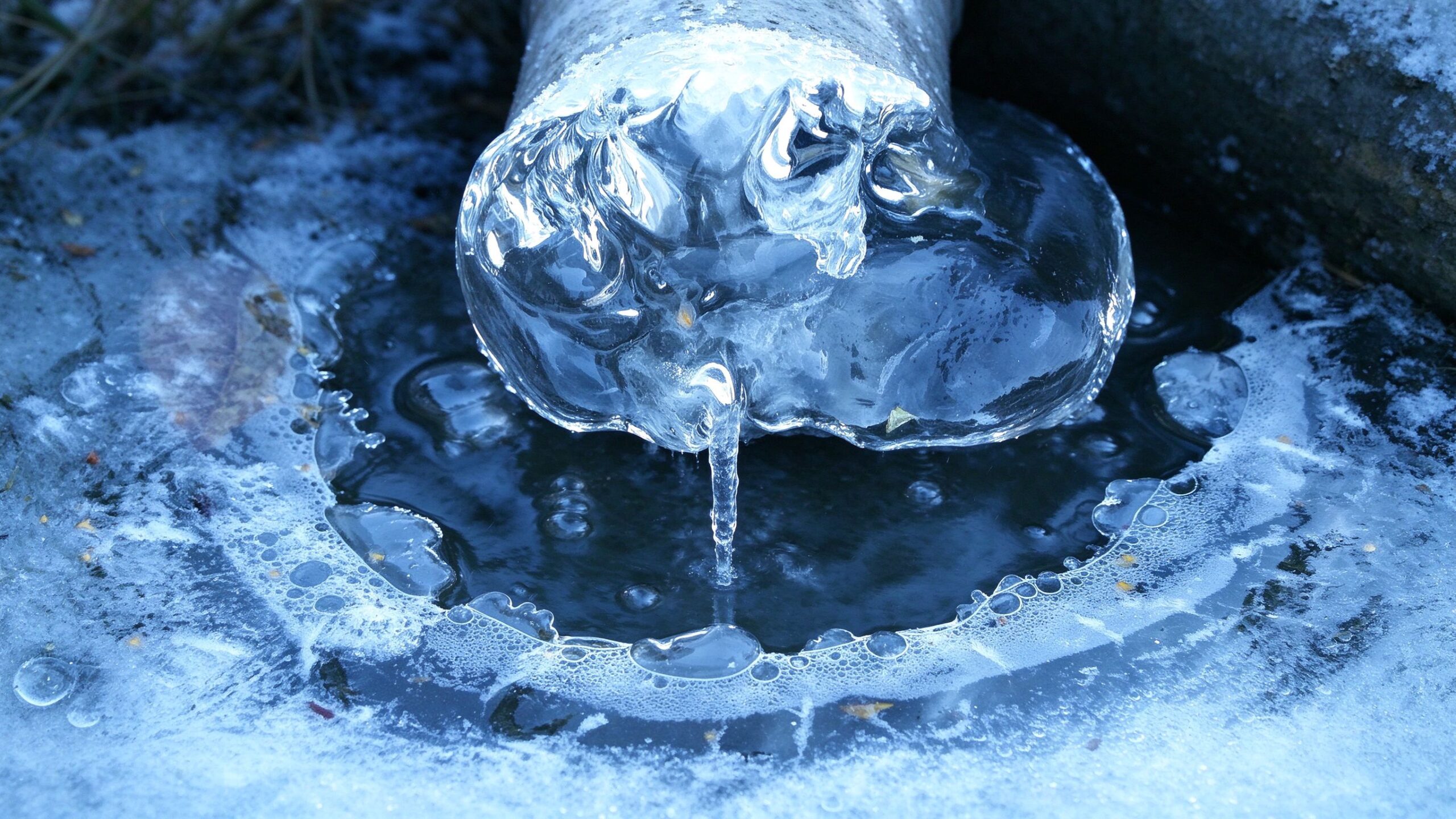
The Problem: Which Pipes Freeze First, and Why
Per guidance from building and plumbing codes on freeze protection, the pipes most at risk are those in unheated spaces: attic runs, crawl spaces, exterior walls, pump houses, and any line that is intermittently used. Water freezes not because of a single cold night but because of sustained low temperature. In the dairy farm’s case, the vulnerable network included a 40 m buried line to the trough, above-ground risers in an uninsulated pump room, and a wash-down manifold that sat idle for hours between milkings.
Frost forms first at the point of highest heat loss, which is usually near a wall penetration, a valve, or a short exposed section. That is why a freeze protection system is only as good as its coverage of fittings and ends; a cable that stops 5 cm before a valve leaves the coldest spot unprotected.
Comparing the Three Ways to Protect a Pipe
Before choosing a heating cable, the farm compared the three standard strategies. The comparison below is the one we use with every buyer facing the same decision.
| Strategy | What it does | Typical cost range | Limitations |
|---|---|---|---|
| Drain and blow out | Empty the line when not in use | Low, but labour-heavy every freeze event | Only works if the system is designed for draining; fails on continuous-use lines |
| Insulation only | Slows heat loss | Low upfront | Delays freezing but does not prevent it; still bursts in sustained cold |
| Freeze protection heating cable | Adds heat to hold the line above freezing | Moderate; cable plus thermostat and insulation | Needs correct sizing, a thermostat and reliable power |
| Recirculation (for hot water) | Keeps water moving | High running cost | Impractical for farm and outbuilding runs |
Per plumbing industry guidance on frost protection, the combination that is normally recommended for intermittently used lines is heating cable plus insulation plus a freeze thermostat, because insulation alone merely buys time and draining alone fails on the first continuous-use requirement. The farm’s decision came down to the same logic: the trough line ran 24/7 in winter, so it could not be drained, and insulation alone would not hold a buried-but-shallow line through repeated −20 °C nights.
Self-Regulating vs Constant Wattage: Which Cable the Farm Chose and Why
The next decision was cable technology. Two families dominate pipe freeze protection: constant wattage and self-regulating (PTC) cables.
- Constant wattage cable delivers the same output per metre regardless of temperature. It is simple and slightly cheaper per metre, but it must be sized carefully, must not be overlapped (overlaps overheat), and keeps drawing full power even when the pipe is warm.
- Self-regulating cable contains a conductive polymer core whose resistance rises as temperature rises, so output drops automatically as the pipe warms. It can be cut to length on site, overlapped safely, and it throttles its own power consumption, which lowers running cost in milder spells.
For a farm network with mixed pipe lengths and fittings, the self-regulating construction was the better fit. The buyer could order bulk lengths, cut to fit on site, overlap around valves, and let the cable manage its own output. For a single fixed-length run where cost per metre dominates, constant wattage remains a legitimate choice; the trade-off is precision and safety margin, not quality.
How to Size a Freeze Protection Cable: Watts per Metre and Thermostat Setpoint
Sizing guidance from industry practice and plumbing codes is consistent: the required output depends on the pipe diameter, the insulation thickness, and the coldest expected temperature. As a working rule for insulated water lines in moderate cold climates, common sizing references sit in the range of 8–16 W/m, with higher values for larger uninsulated pipes or severe cold. The farm’s calculation went like this:
- List every vulnerable run by diameter and exposure (buried, above ground, indoors-unheated, outdoors).
- Define the design temperature, here −25 °C, and the target: keep pipe surface above about +4 °C.
- Select the cable output class and insulation grade per metre of pipe.
- Add the thermostat: a freeze (capillary or immersion) thermostat set to switch on near +3 °C and off near +10 °C.
- Add power supply sizing and a residual current device for the circuits.
The farm ended with roughly 400 m of self-regulating cable across three circuits, each on its own thermostat and RCD. The measured outcome across the season, per the farm’s own records: no burst lines, no frozen troughs, and electricity consumption in line with the sizing model because the self-regulating core throttled output whenever temperatures rose.
Installation Notes That Decide Success or Failure
Trace heating fails in predictable places, and almost all of them are installation details rather than cable quality:
- Run the cable straight along the pipe, fixing at regular intervals; do not spiral unless the cable rating allows it.
- Never terminate the cable in a wet junction box; use the factory cold-lead and a proper enclosure.
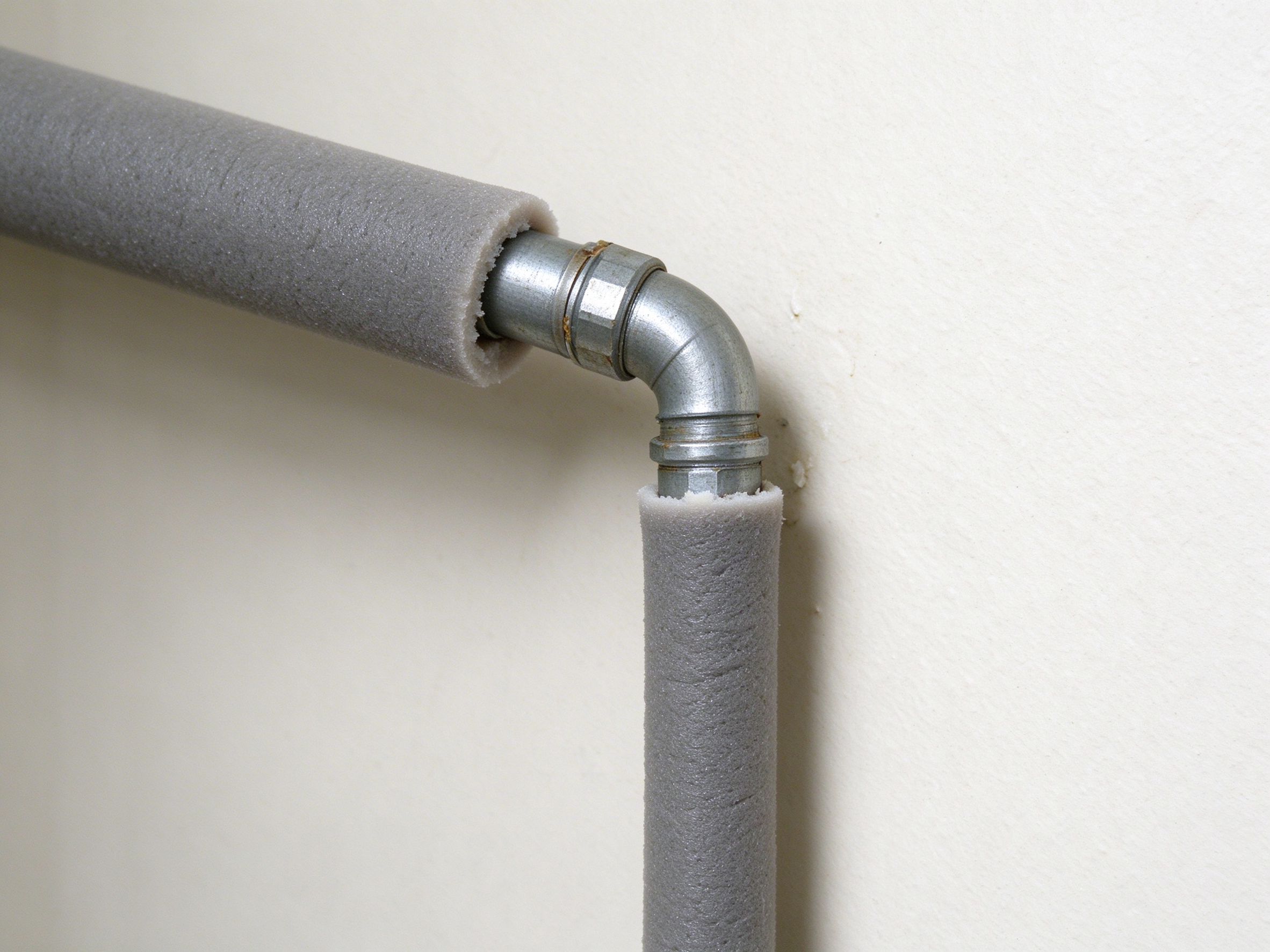
- Cover the heated pipe with insulation after installation; without it, the cable fights the ambient temperature and consumption multiplies.
- Leave the thermostat sensor at the coldest point, not at the warmest end.
- Mark every circuit on the distribution board so seasonal maintenance can check RCD trips before the first frost.
Running Cost: How to Estimate Energy Use Before Installation
The farm’s sizing model gives a useful estimating method for any buyer. Take the installed metres and the rated output: roughly 400 m at an average 12 W/m is about 4.8 kW of connected load. In practice the self-regulating cable does not run at full rating continuously; it throttles as the pipe warms and the thermostat cycles. A typical seasonal estimate for an insulated, thermostatically controlled trace heating network is a few hours of equivalent full-load operation per day across the coldest months, so the network above might consume on the order of 500–900 kWh across a four-month winter, which at typical farm tariffs is a modest cost against the risk of one burst line.
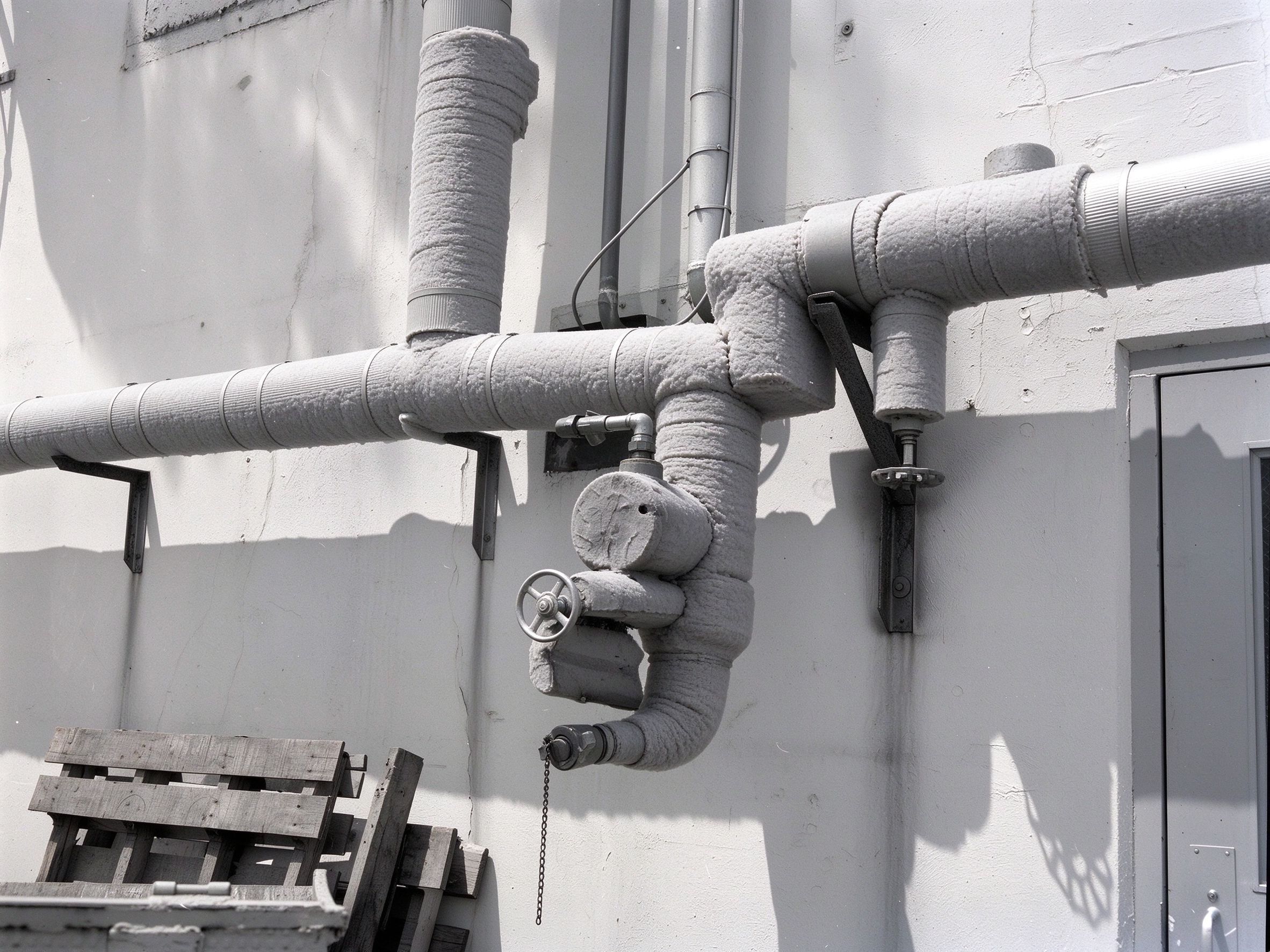
The arithmetic changes fast if you skip insulation or run without a thermostat. Uninsulated pipes multiply consumption by roughly two to three times because the cable must fight the ambient air continuously. A buyer comparing quotes should therefore price the bundle: cable, thermostat, insulation and RCD, because the “cheap cable” quote without insulation is the expensive system in operation.
Failure Modes and Seasonal Checks
Trace heating systems fail in a small set of predictable ways, and most are catchable in a ten-minute seasonal check before the first frost:
- RCD trip. A tripping circuit almost always means moisture in a junction box or damage to the cable jacket. Find it before the freeze event, not during.
- Cold spot at a fitting. If one valve or bend freezes, the cable stop or the sensor position is usually the cause; extend coverage to the fitting or move the sensor to the coldest point.
- Insulation stripped by rodents or traffic. Farms and workshops lose more systems to chewed insulation than to cable failure. Inspect exposed runs at the start of the season.
- Wrong thermostat setpoint. A freeze thermostat set below 0 °C lets the pipe cool toward freezing before it switches; set the on point near +3 °C.
These checks convert a “set and forget” installation into one that survives year after year. They are also the questions a maintenance-minded buyer should raise with the supplier before purchase, because the answer reveals whether the supplier thinks about the system’s full life or only the sale.
Buyer’s Checklist for a Freeze Protection Quote
When you request a quotation for pipe freeze protection, ask the supplier to confirm these points in writing:
- Cable type (self-regulating vs constant wattage) and rated W/m at a defined ambient.
- Minimum and maximum installation temperature and permitted bend radius.
- Whether the cable can be cut to length and overlapped safely.
- Thermostat type, setpoint range, and whether a separate RCD is recommended.
- Certificate compliance for the destination market (CE, RoHS, LVD, EMC as applicable).
- Lead time and minimum order quantity for bulk lengths.
Data and Evidence
Freeze risk patterns, insulation behaviour and the drain-vs-insulate-vs-heat comparison are described per general plumbing codes and industry frost protection guidance (including EN/IEC product standard requirements for heating cable and trace heating practice). Sizing ranges are working references from industry practice, not a guarantee; final sizing depends on pipe, insulation and climate data. The project narrative (400 m dairy farm network, three circuits, −25 °C design, self-regulating cable, no freeze failures) is reported per customer field records shared with SunAura Thermal. SunAura Thermal has manufactured heating cable and elements in Qingdao Huangdao since 2008 (17 years), holds ISO 9001/14001/45001 and CE/RoHS/LVD/EMC compliance, and exports to more than 50 countries, per SunAura factory records.
FAQ
Can I use normal heat-shrink or tape instead of a heating cable? Insulation tape slows heat loss but adds no heat; in sustained cold it only delays freezing. Heating cable is required where the line must survive continuous low temperatures.
Is self-regulating cable worth the higher price? For mixed-length, fitting-heavy networks it usually pays for itself in lower consumption and safer overlaps; for a single fixed straight run, constant wattage can be more cost-efficient.
Do I need a thermostat? Yes. A thermostat prevents continuous heating and cuts running cost; a cable without one heats whenever energised, winter or not.
Can I bury the cable in insulation completely? Trace heating cable should be fixed to the pipe with insulation over it, not buried loose. Full burial reduces heat transfer to the pipe and can overheat the cable in spots.
How long does freeze protection cable last? Installed per instructions with the jacket protected, a quality self-regulating cable normally lasts many seasons; the practical life limit is usually mechanical damage or moisture ingress at terminations, not the element itself.
Beyond the Farm: Where the Same Logic Applies
The sizing method in this project transfers directly to other buildings: holiday homes with unused plumbing over winter, workshops with outdoor wash bays, greenhouses with propagation benches, and marine or off-grid cabins where a burst line is not repairable for weeks. In each case the same three steps apply: identify the coldest unprotected runs, size the cable per metre for the design temperature, and add insulation and a thermostat. The only genuine differences are the pipe material (PEX, copper, steel), which affects fixing method, and the power source, where off-grid systems should use low-voltage or DC-compatible self-regulating cable and a battery-aware sizing model.
Conclusion: What to Buy, and How to Start
For farms, workshops, pump houses and holiday homes with exposed or shallow-buried lines, specify a self-regulating heating cable with a freeze thermostat and proper insulation, sized per metre for your coldest design temperature. If your run is short and fixed, a constant wattage cable is an acceptable budget option. Always insulate after installation and protect every circuit with an RCD.
Need a sizing sheet or a bulk quote? Email Ethan at [email protected] with your pipe list, diameters and climate zone. For adjacent reading, see heating cable for concrete curing and how PTC self-regulating technology works.