Get a Quote

Heat Trace Cable Applications & Buying Guides

How heat trace cable is sized for pipes, tanks and roofs — heat-loss tables, voltage, RCD protection and the margin that prevents freeze-up.

  • PTC & constant-wattage
  • 230/400 V
  • 30 mA RCD
  • IPX8
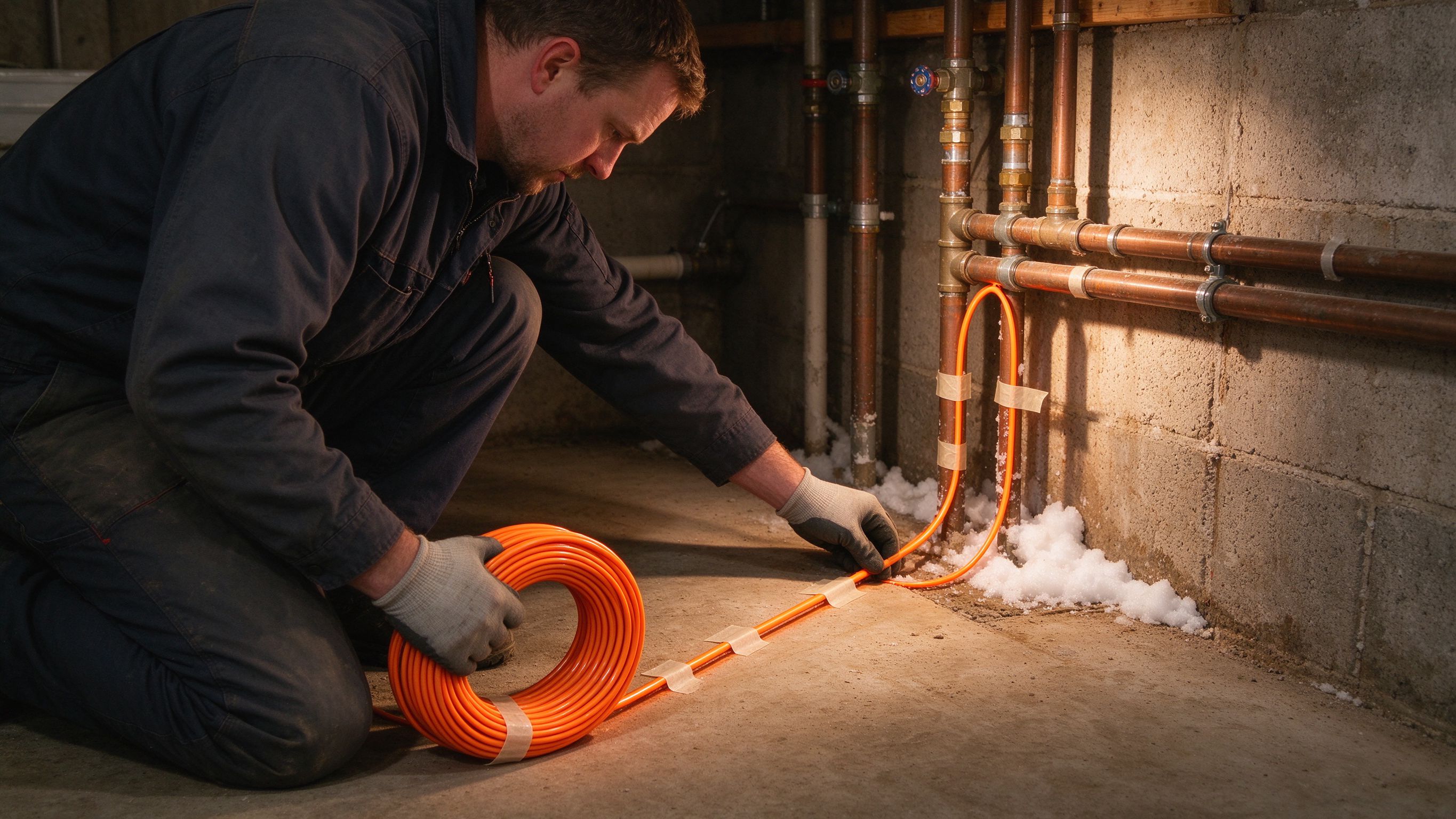
Heat trace cable run along an insulated pipe
SunAura | Qingdao

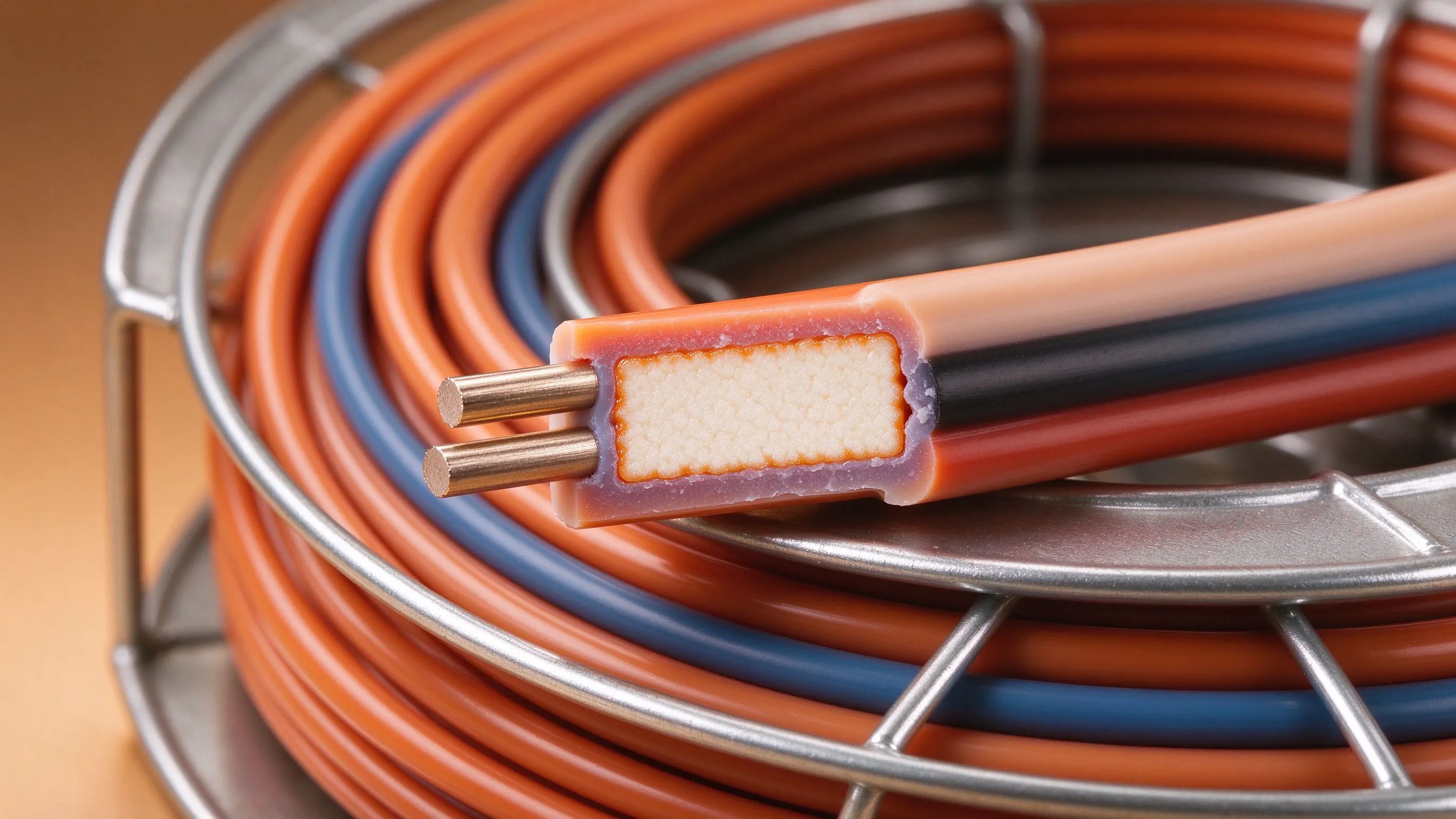
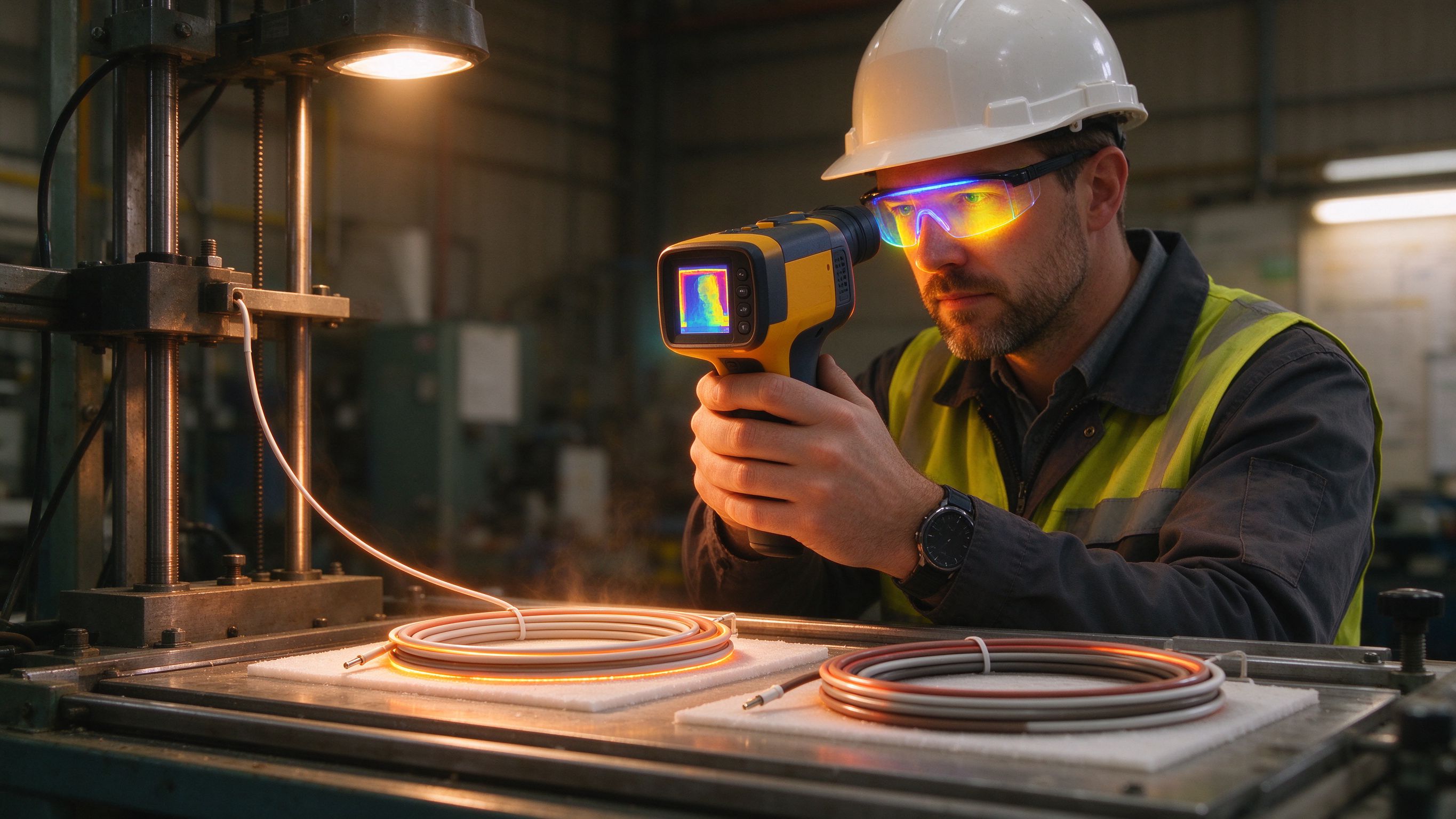
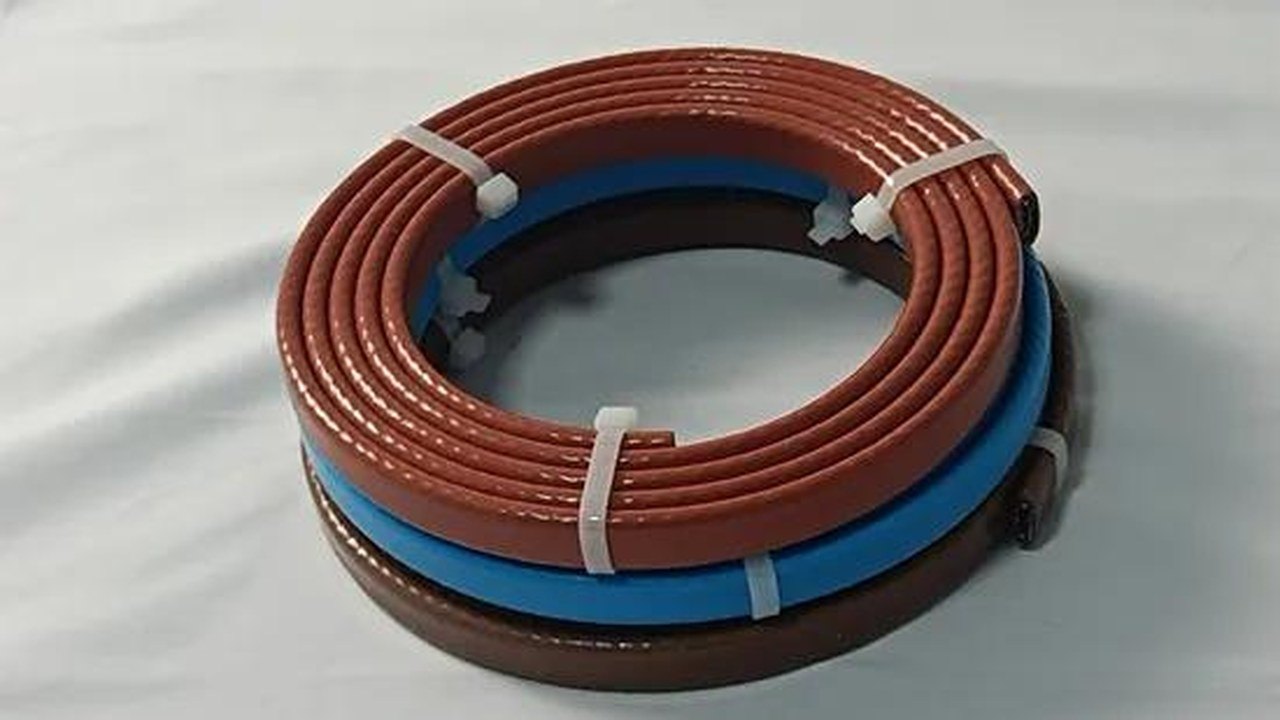
Heat trace cable keeps pipes, tanks and roofs above freezing or holds a process temperature. Three families — self-regulating PTC, constant-wattage silicone and twin-conductor — all carry IPX8. Sizing starts from the pipe heat-loss table: at -20 °C a DN20–25 line with 30 mm insulation loses 12–18 W/m, while DN150 and above lose 38–55 W/m, and tank surfaces need 30–60 W/m²; a 10–20% margin is added on top. Systems run on 230 V single-phase or 400 V three-phase with a 30 mA RCD. The guides below cover the design and documentation work. Reference pricing runs US$1.50–8.00 per metre.

01

Heat trace buying and technical guides

02

Where each trace family fits

01Self-regulating PTC on pipes

PTC cable raises output where the pipe is cold and cuts it where warm, so it can be overlapped without burnout and suits long, variable lines. It carries a 15–25 year service life and is the default for water and process pipes.

02Constant-wattage on long runs

Constant-wattage cable delivers a fixed output per metre and is used where circuit length or voltage drop makes PTC less efficient, often on 400 V three-phase industrial runs.

03Tanks and vessels

Tank surfaces are sized in W/m² (30–60) rather than W/m, with cable spiralled or panel-mounted and a 10–20% margin for wind exposure.

03

Specification at a glance

ParameterStandard rangeWhat it means on site
DN20–25 loss12–18 W/m (30 mm insulation)-20 °C basis
DN32–50 loss18–26 W/mInsulation thickness dependent
DN65–100 loss26–38 W/mLarger bore lines
DN150+ loss38–55 W/mAdd 10–20% margin
Tank surface30–60 W/m²Vessel and container heating
Voltage230 V 1ph / 400 V 3ph30 mA RCD required
ProtectionIPX8 across all familiesOutdoor and wet use
Reference priceUS$1.50–8.00/mEx regions per customer cert
04

How to specify it in five steps

01

Read the heat-loss table. Match pipe diameter, insulation thickness and design temperature to a W/m figure.

02

Add the margin. Apply 10–20% extra for wind, valves and supports; never size exactly to the loss.

03

Choose the family and voltage. PTC for variable pipes, constant-wattage for long runs; select 230 V or 400 V.

04

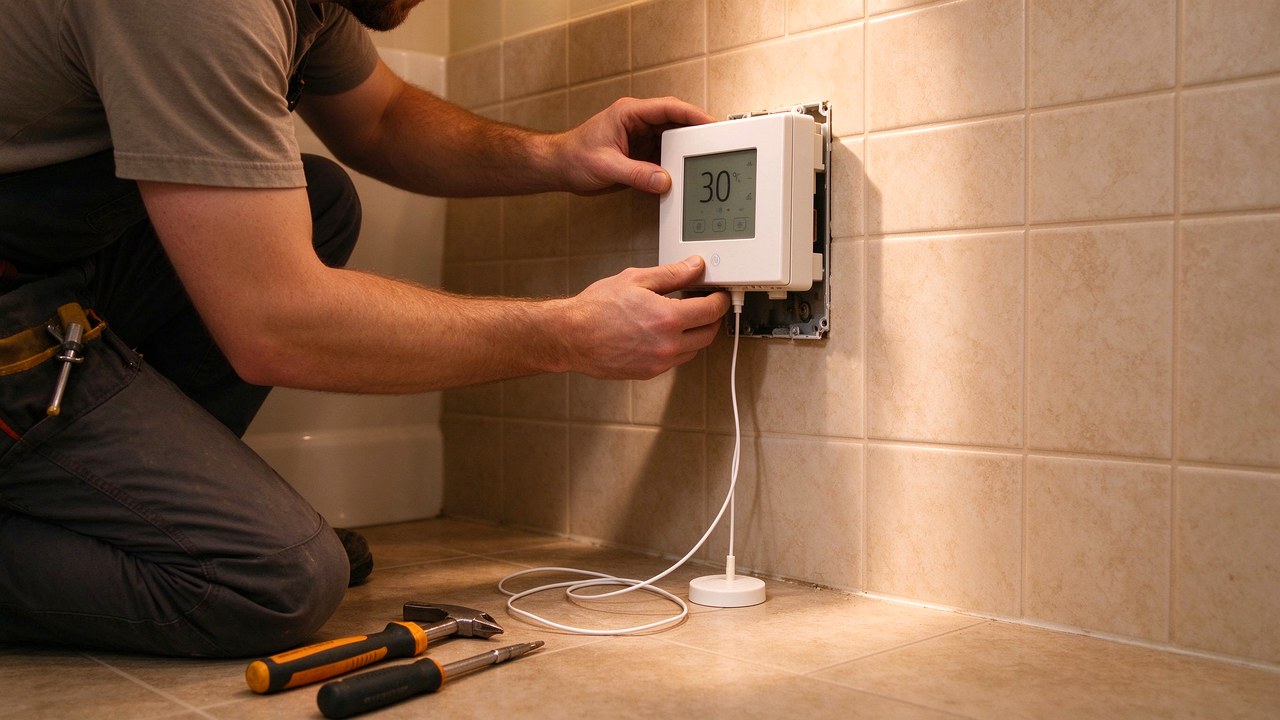
Set protection and circuits. Provide a 30 mA RCD and respect maximum circuit length per cable type.

05

Document and label. Record runs, junction boxes and controls; hazardous-area builds follow the customer certification, not an assumed ATEX rating.

05

Where it is the wrong choice

Do not invent an ATEX or explosion-proof rating that the datasheet does not state; certified area builds are supplied against the customer requirement. Tracing also fails when sized without the insulation thickness, overlapped on a constant-wattage cable, or run without an RCD.

06

Questions we get asked

Can PTC cable be overlapped?

Yes, the self-regulating core lowers output at the overlap, unlike constant-wattage cable, which can overheat if crossed.

Why add a 10–20% margin?

Valves, flanges, supports and wind exposure add local heat loss that the straight pipe table does not capture.

Single or three phase?

Short domestic runs use 230 V single-phase; long industrial circuits use 400 V three-phase to limit voltage drop.

What RCD is required?

A 30 mA residual-current device protects each trace circuit against earth leakage.

Is it explosion-proof?

Only where a certified build is specified and documented. A standard IPX8 cable is not ATEX rated and should not be presented as one.

Next step

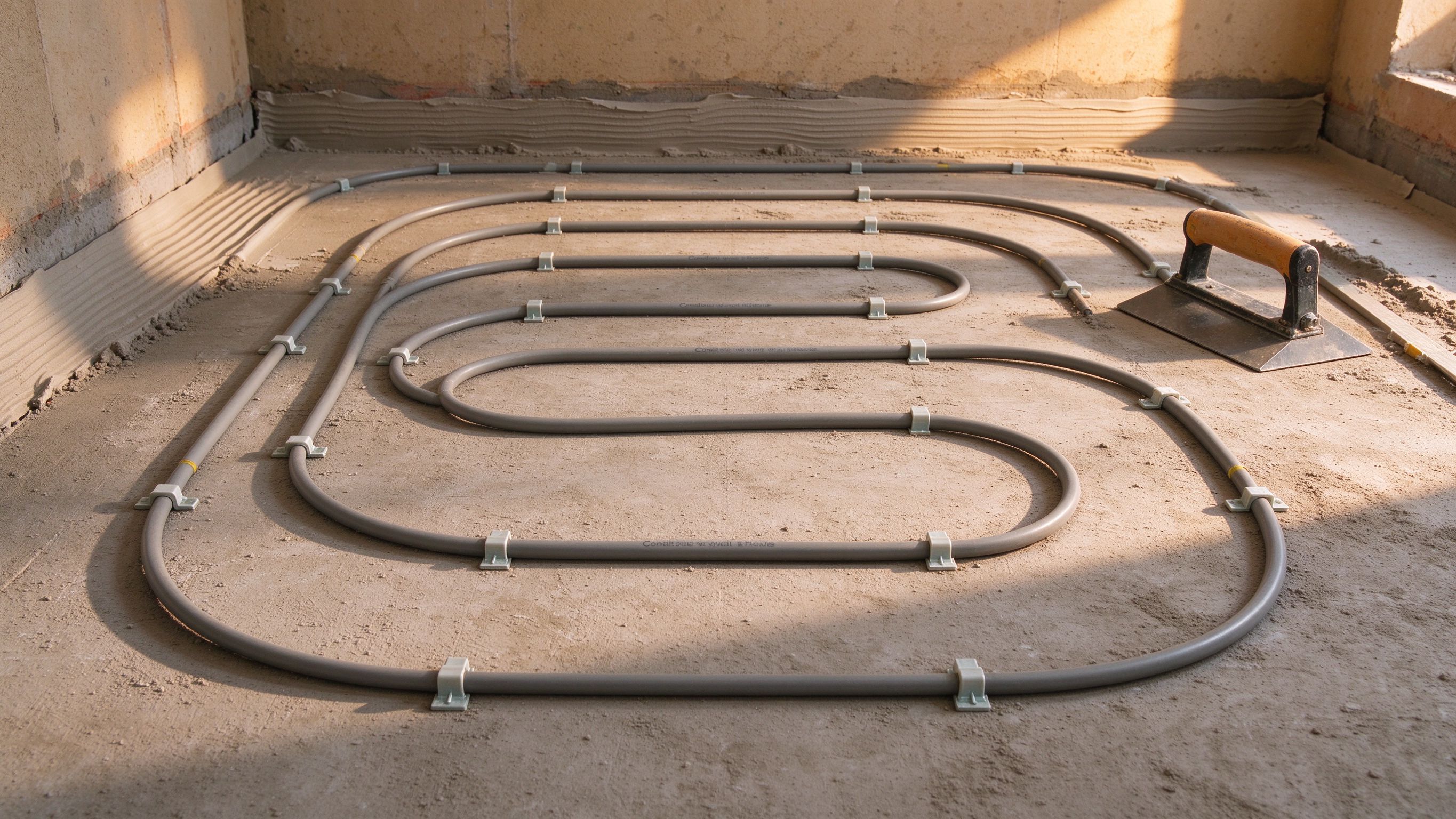
Send the pipe schedule, insulation specification and design temperature. We return cable selection, circuit lengths, junction boxes and a bill of materials. For embedded floors use the heating cable hub; roof and outdoor snow work is covered on the snow melting hub.

Last reviewed November 2026. Specifications reflect the current factory datasheet; confirm values before ordering.