
01Standard twin underfloor cable
The double-conductor single cold-tail build at 10–30 W/m is the default for embedded floors: one cold lead simplifies connection, and full shielding plus double insulation meet IPX8.
How resistance heating cable is selected and installed — output per metre, conductor build, bend radius and the tests that decide service life.
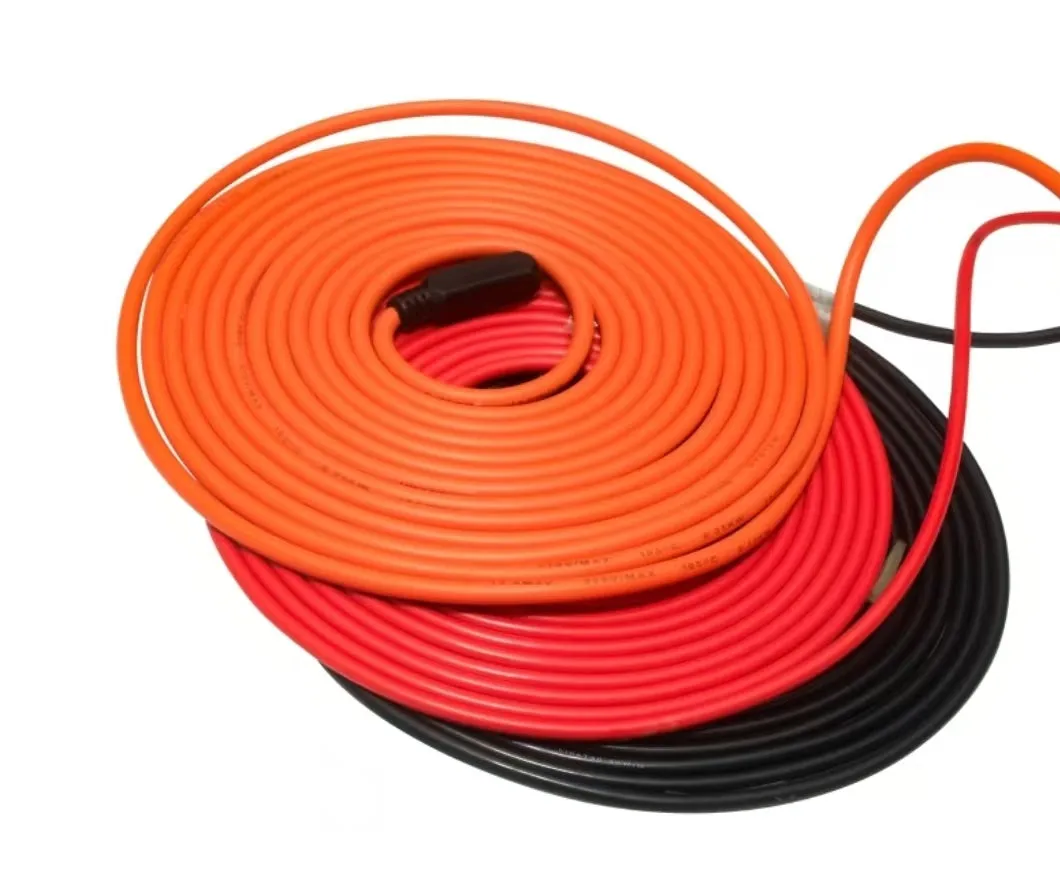
Heating cable is an alloy-resistance element, optionally built with a PTC core, supplied as a double-conductor single cold-tail cable that is double-insulated and shielded. Standard twin cable runs at a selectable 10–30 W/m, alongside PTC (16/30/45 W/m) and silicone (25/40/50 W/m, working from -60 to +200 °C) families. It goes under floors, on pipes and tanks, and into roof and road snow-melting builds. The guides below cover the geometry and electrical tests that decide whether a cable lasts its rated 15–25 years. Full dimensions are on the heating cable product page.
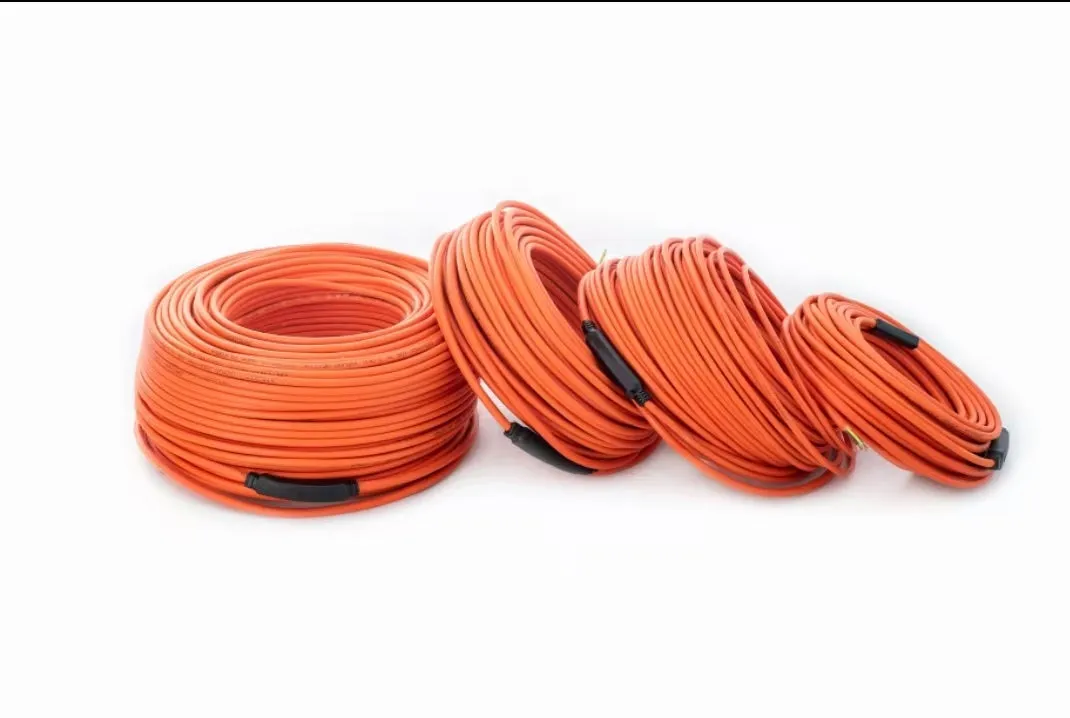
Twin Conductor Cable
Why dual-core, single cold-tail construction suits renovation and new build.
Read the guide →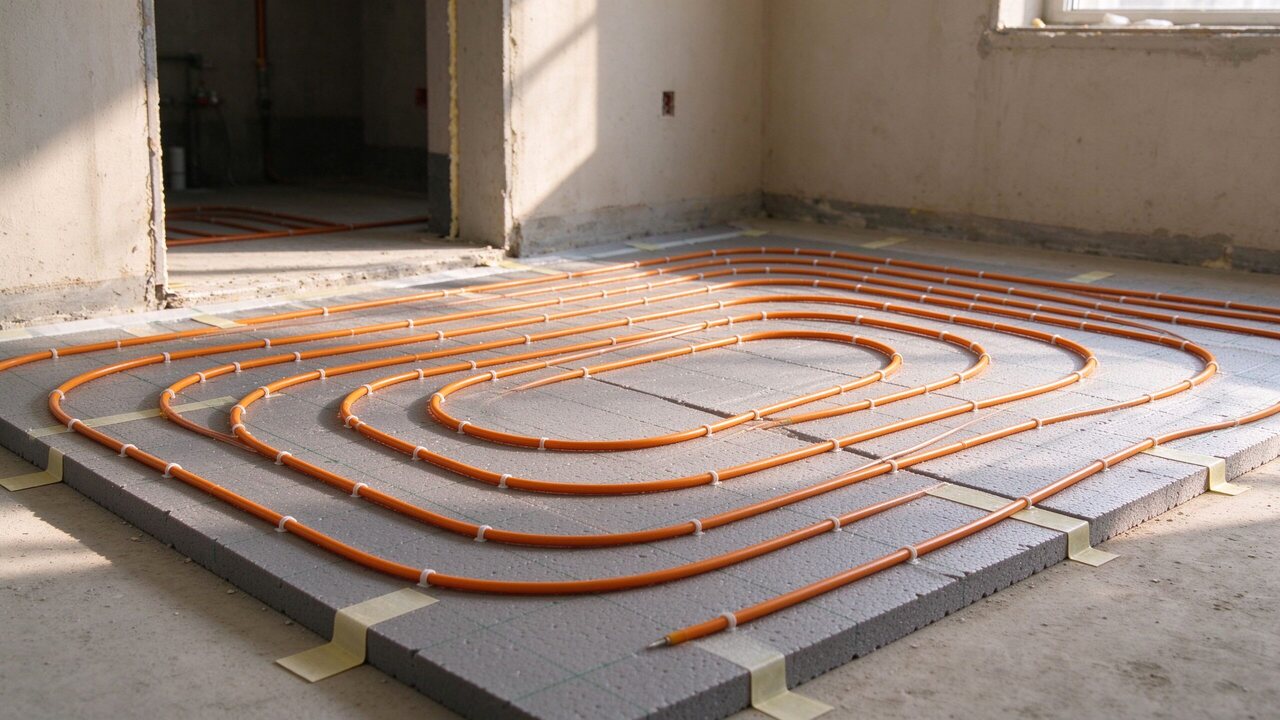
Bend Radius and Spacing
The installation geometry that protects the resistance wire.
Read the guide →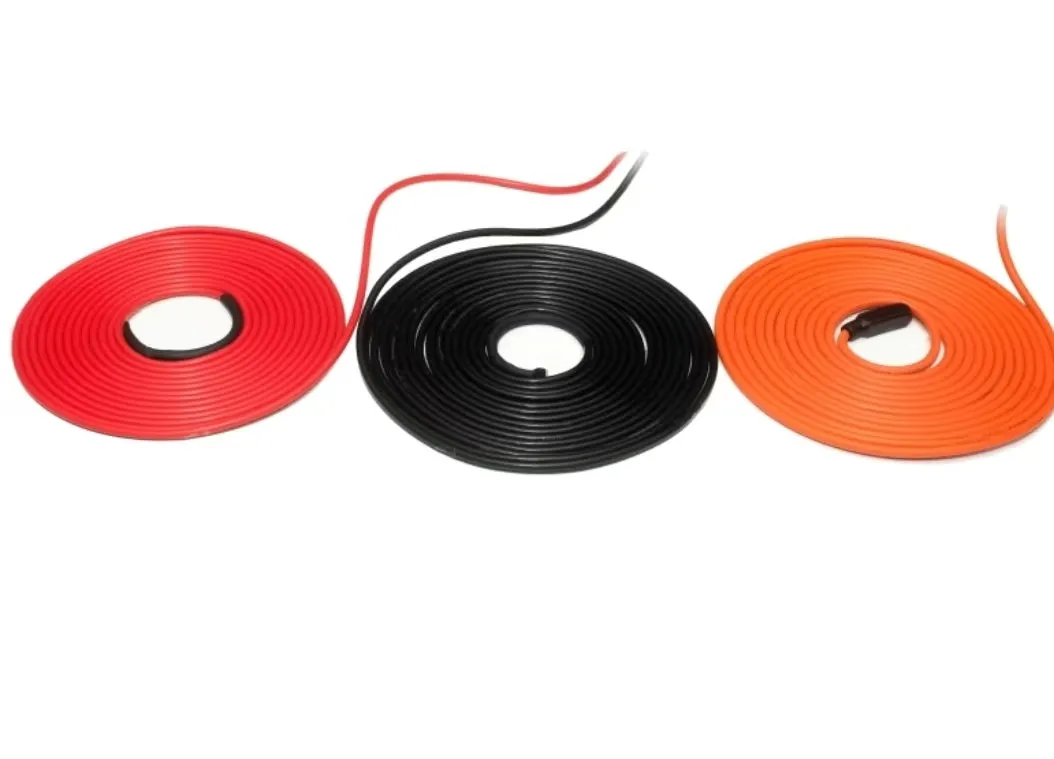
Cold Lead Termination
Crimp, solder or factory-sealed joint and how each holds up.
Read the guide →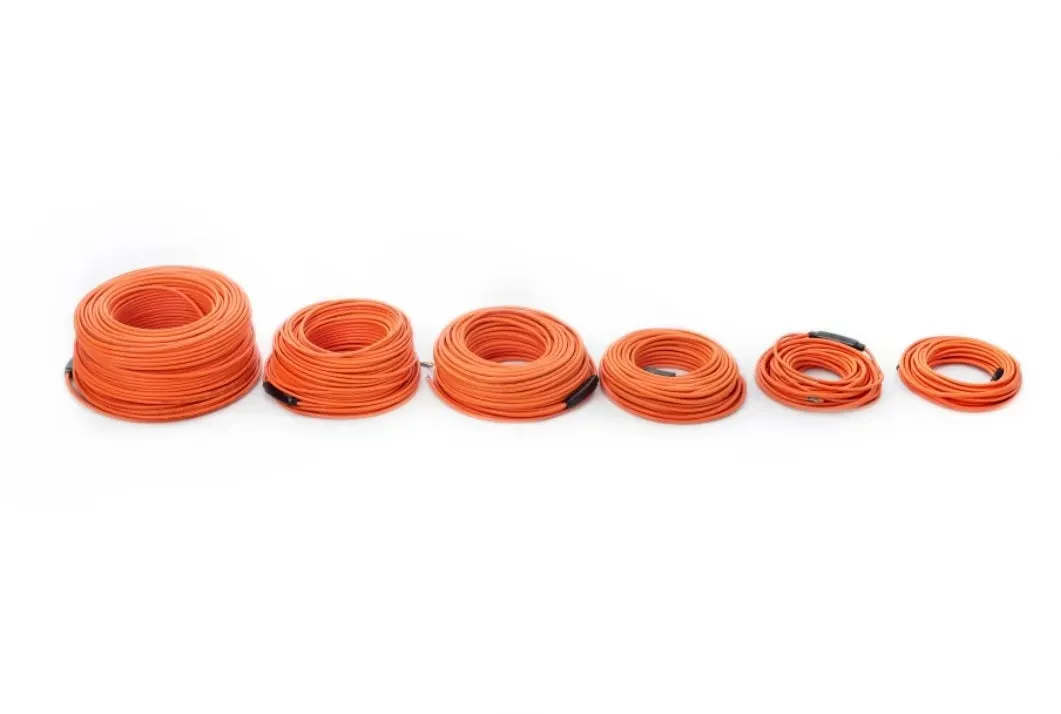
Insulation Resistance Test
Three readings, not one, before the screed is poured.
Read the guide →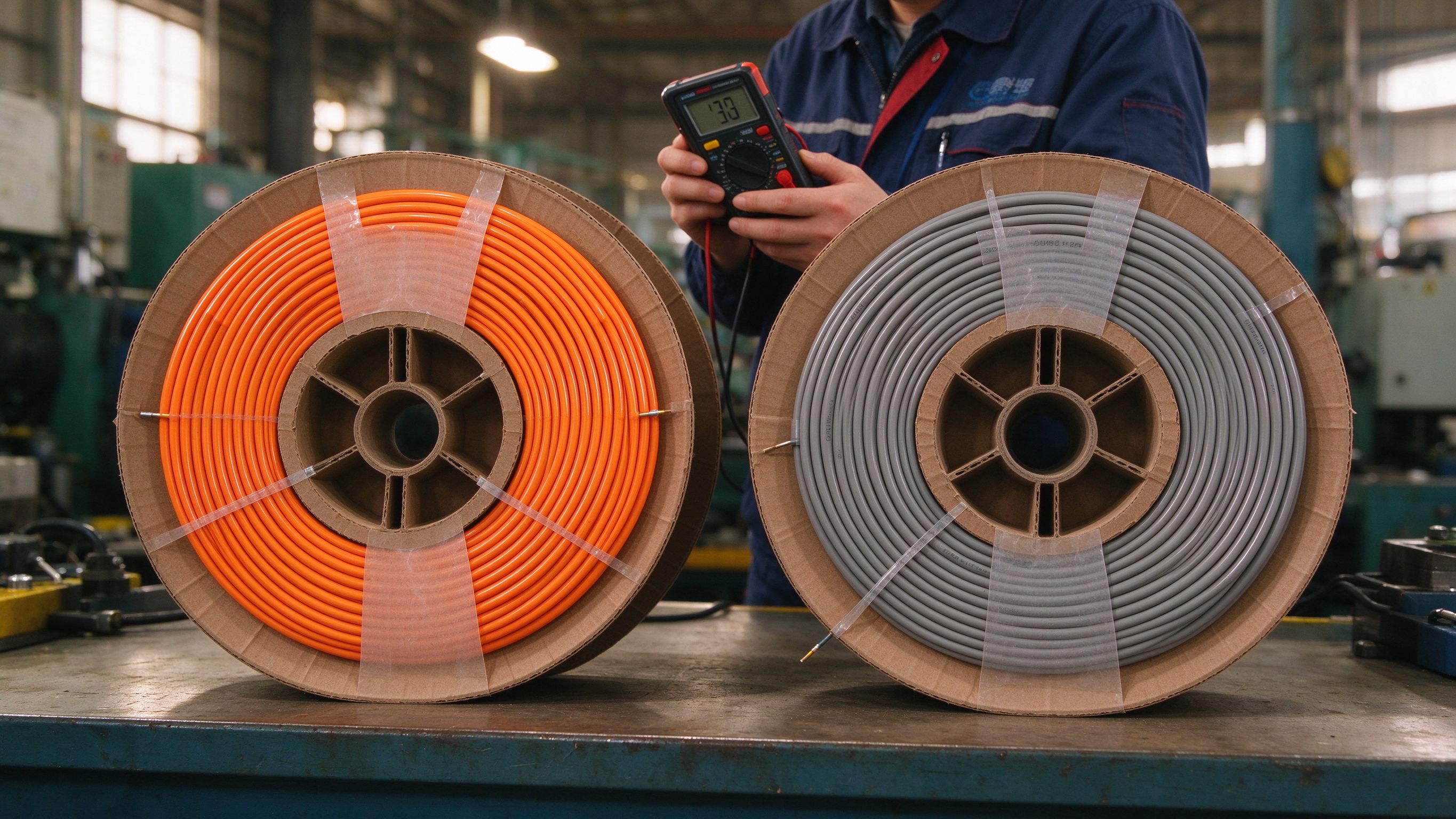
Fault Location
How to find a break and decide repair versus replacement.
Read the guide →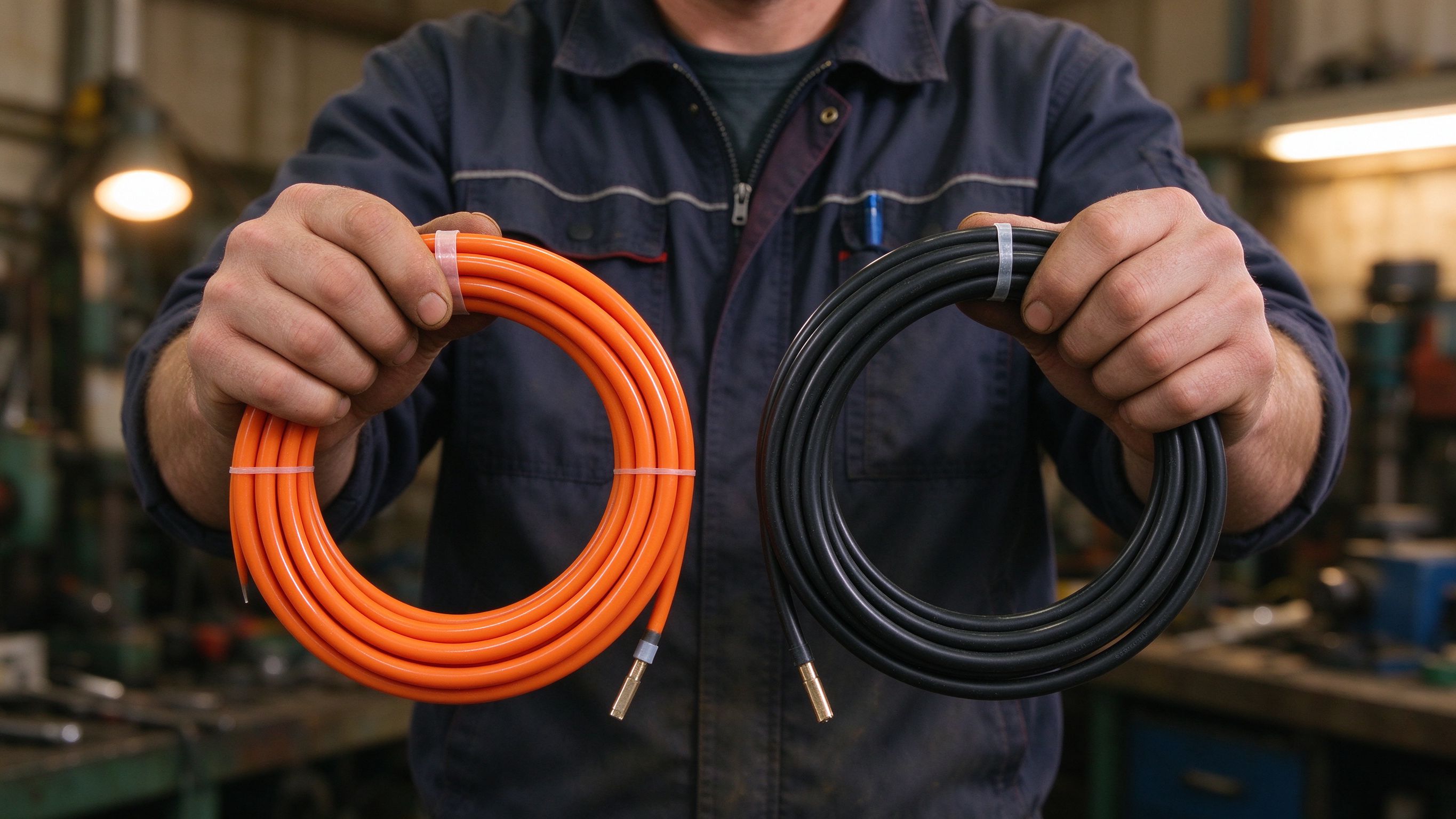
Silicone vs PVC Jacket
Jacket material selection for buyers and engineers.
Read the guide →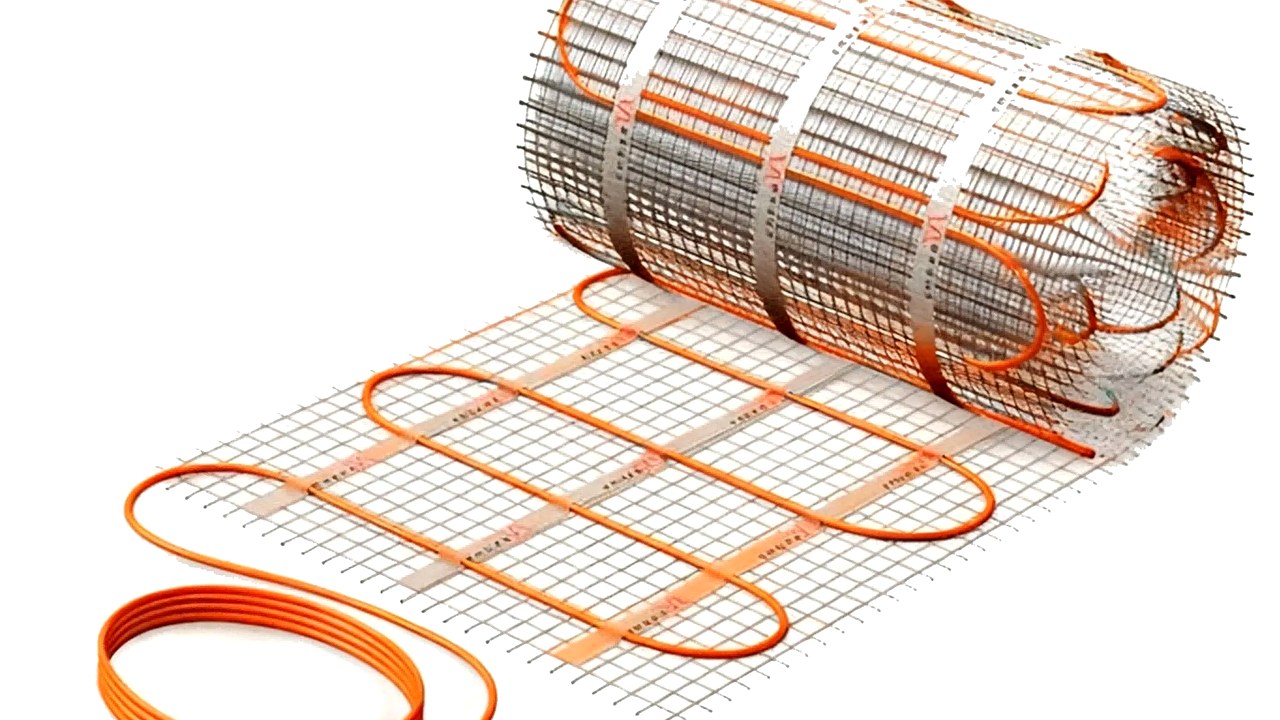
Single vs Twin Conductor
EMF, starting point and layout compared.
Read the guide →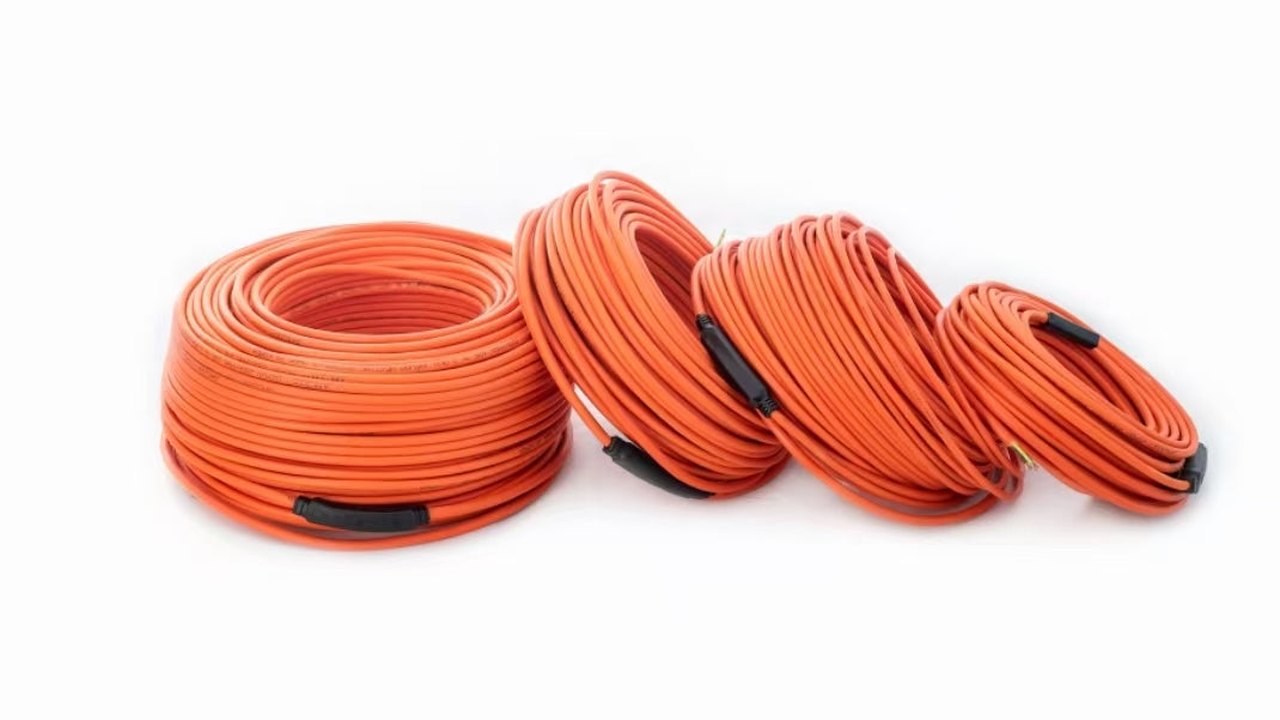
Heating Cable Wattage per Metre and Spacing: How to Hit the Right W/m2
Wattage per metre and spacing logic for matching a cable to floor build-up and target output.
Read the guide →The double-conductor single cold-tail build at 10–30 W/m is the default for embedded floors: one cold lead simplifies connection, and full shielding plus double insulation meet IPX8.
The PTC family at 16/30/45 W/m reduces output as it warms, which limits surface temperature in close-spacing or risk areas and lowers the chance of overheating.
Silicone builds at 25/40/50 W/m work from -60 to +200 °C, suiting drain lines, high-temperature process work and very cold sites where PVC would stiffen.
| Parameter | Standard range | What it means on site |
|---|---|---|
| Twin output | 10–30 W/m selectable | Embedded floors |
| PTC output | 16 / 30 / 45 W/m | Self-limiting behaviour |
| Silicone output | 25 / 40 / 50 W/m | -60 to +200 °C |
| Voltage | 110 V / 220–230 V | 220–240 build available |
| Protection | IPX8, double-insulated, shielded | Wet and buried use |
| Conductor | Double conductor, single cold tail | One connection point |
| Service life | 15–25 years | Dependent on bend and test |
| Certification | CE, RoHS, ISO 9001 | EU procurement |
Pick the family. Standard twin, PTC or silicone according to spacing, temperature and safety needs.
Set output and spacing. Choose W/m from the floor load and convert to cable spacing, respecting the minimum bend radius.
Plan the cold lead. Route the single cold tail back to the junction box before fixing the cable to the mesh.
Test before and after. Record insulation resistance and continuity before screed, after laying, and again after the floor is covered.
Terminate correctly. Use the specified factory or crimped joint; never leave a cold-lead joint buried without testing.
Cable fails early when it is bent below the minimum radius, crossed over itself, or buried without an insulation test. It is also the wrong choice where the floor build-up cannot absorb the cable diameter, or where a self-adhesive mat would cut installation time on a standard rectangular room.
Send the floor area, build-up and design load. We return cable length, spacing, circuit load and the test schedule before installation. For pipe and freeze-protection builds, see the heat trace hub; outdoor snow work is on the snow melting cable hub.