Get a Quote

Heating Film Applications & Buying Guides

How graphene-carbon heating film is chosen across ceiling, floor and wall projects — wattage, roll width, voltage and the rules that decide whether a dry-lay film works.

  • 100–200 W/m²
  • 10–100 cm widths
  • IP67
  • 15-year warranty
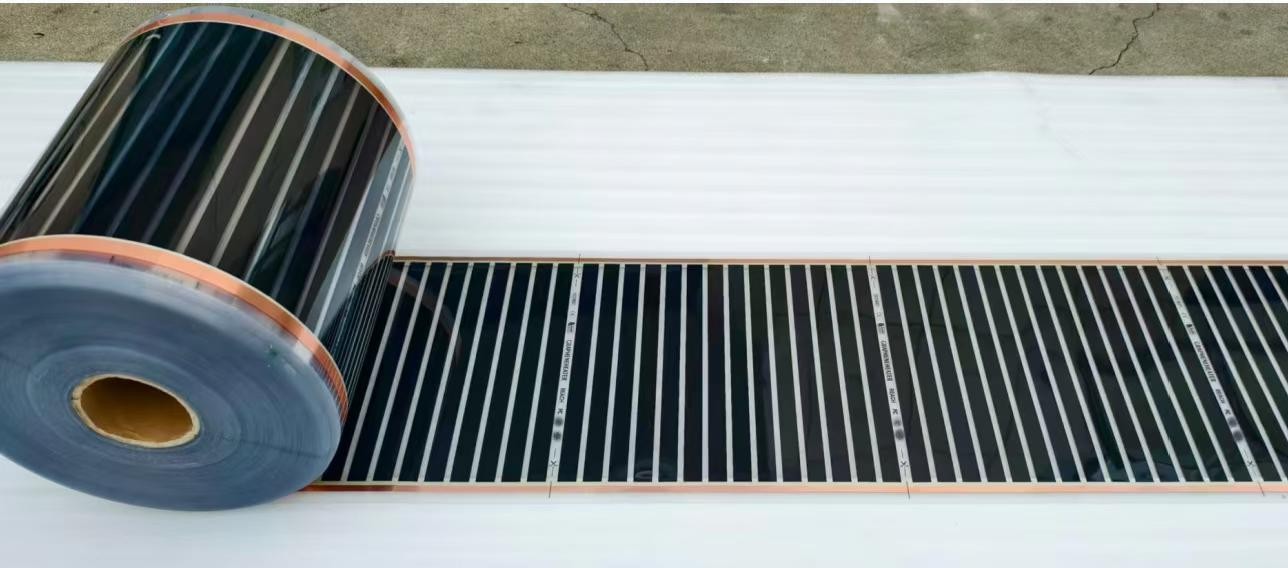
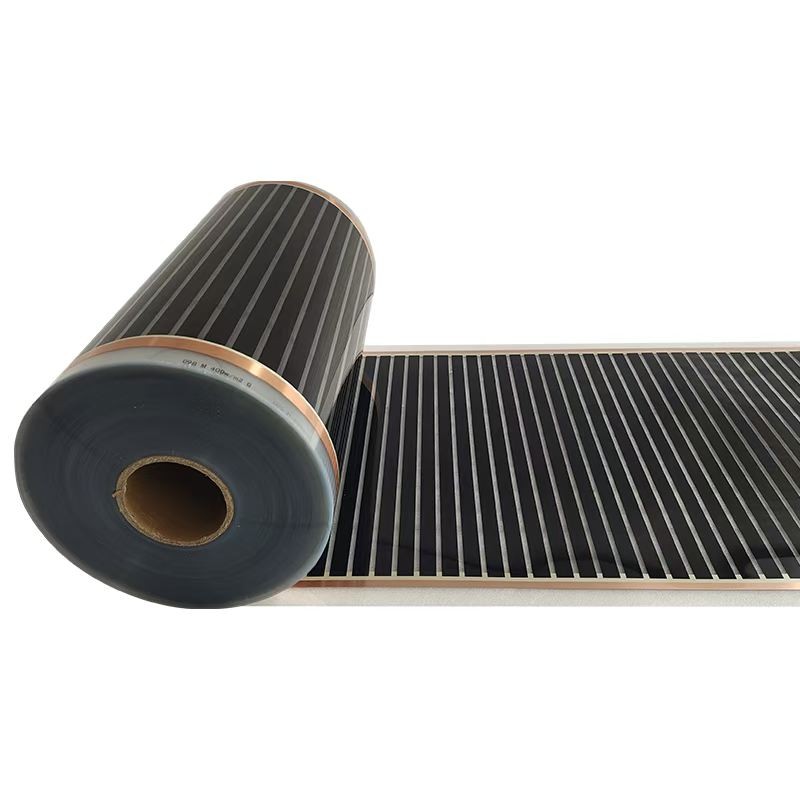
Graphene heating film roll with copper busbars
SunAura | Qingdao

Heating film is a thin graphene–carbon composite that emits far-infrared radiant heat from a ceiling, floor or wall. It is not a single fixed product: the same line is built at 100 W/m² for a ceiling, 100–150 W/m² for living spaces and 180–200 W/m² for cold bathrooms or retrofits, in twelve standard widths from 10 to 100 cm plus 70/140 cm flexible rolls. This page collects the guides that work out which construction, density and width a project actually needs. For full dimensions and pricing, see the heating film product page; wall-specific cases live on the wall heating film hub.

01

Heating film buying and technical guides

02

Where each film construction earns its place

01Ceiling and low-load living spaces

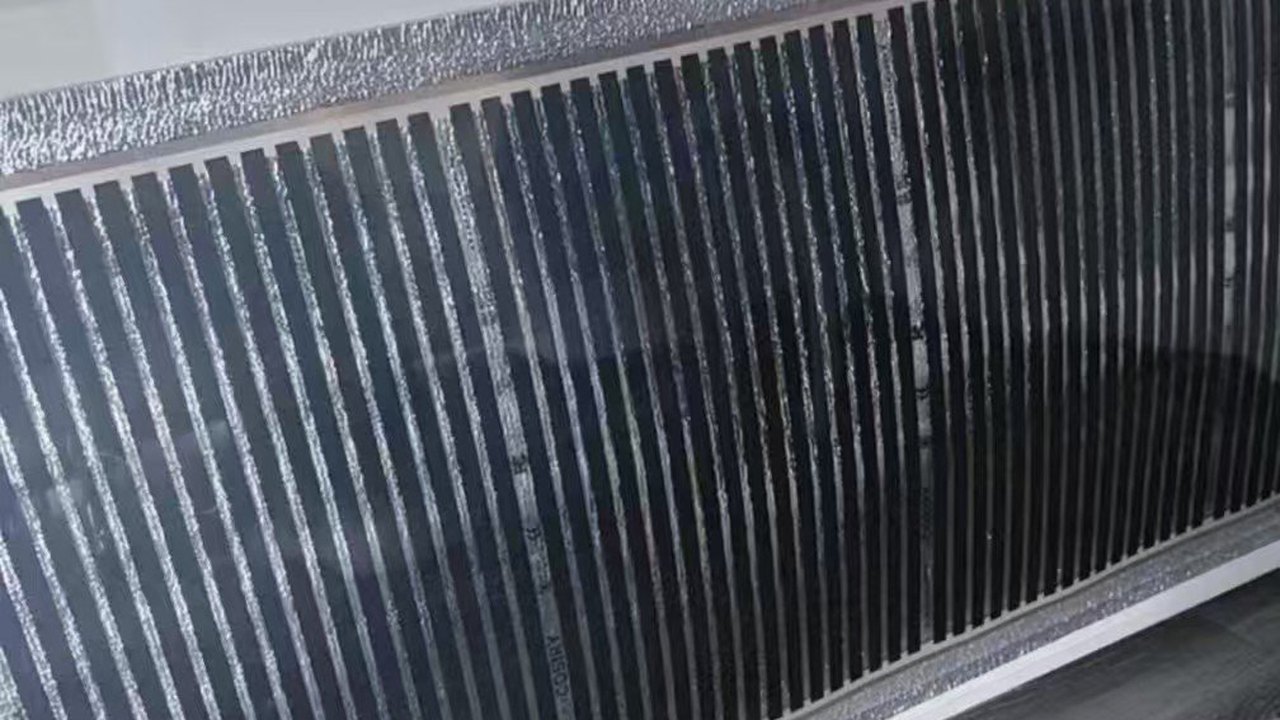
At roughly 100 W/m² a ceiling film covers the whole room evenly without using floor or wall area, which suits retrofit and low-profile projects. Living-area floors run 100–150 W/m² and are held to a 27–28 °C surface temperature by the thermostat rather than by the film itself.

02Cold bathrooms and high-loss rooms

Bathrooms and poorly insulated retrofits use 180–200 W/m² and an IP67, fully shielded build. The higher density compensates for heat loss; it does not raise the floor surface above the thermostat limit.

03Wide rooms and custom layouts

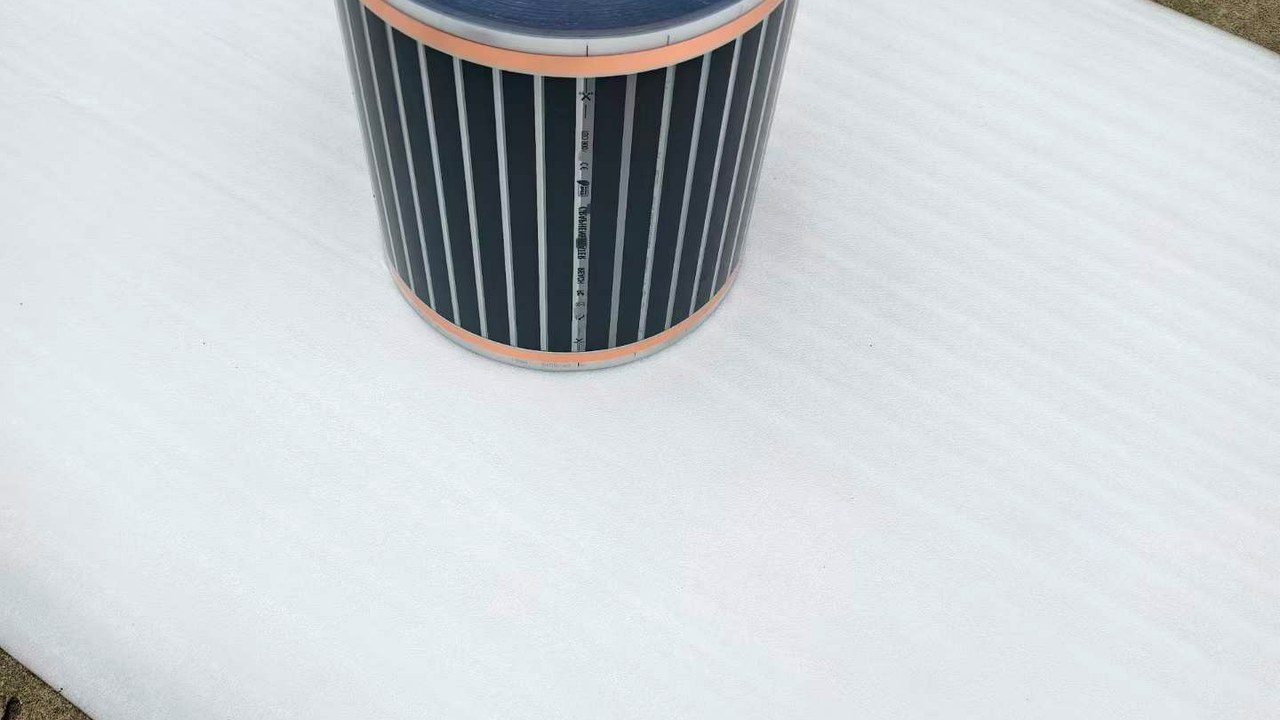
Twelve standard widths from 10 to 100 cm handle most rooms, while 70/140 cm flexible rolls cover wide areas with fewer joints. Width is selected from the layout drawing so the copper busbars land on usable cut lines.

03

Specification at a glance

ParameterStandard rangeWhat it means on site
Power density100 / 100–150 / 180–200 W/m²Ceiling, living, cold bath or retrofit
Standard widths10–100 cm (12 widths)Selected from the strip layout
Flexible roll70 / 140 cmWide rooms, fewer joints
Voltage110 V / 220–230 VRegion-dependent build
Floor surface temp27–28 °CThermostat-limited
ProtectionIP67, EMF-shieldedWet rooms and safety
Warranty15 years; rated 15–25 yearsSeparate thermostat claim
CertificationCE, RoHS, ISO 9001EU procurement
04

How to specify it in five steps

01

Room load first. Calculate heat loss at design outdoor temperature and pick the density band (100 / 150 / 180–200 W/m²) from that number.

02

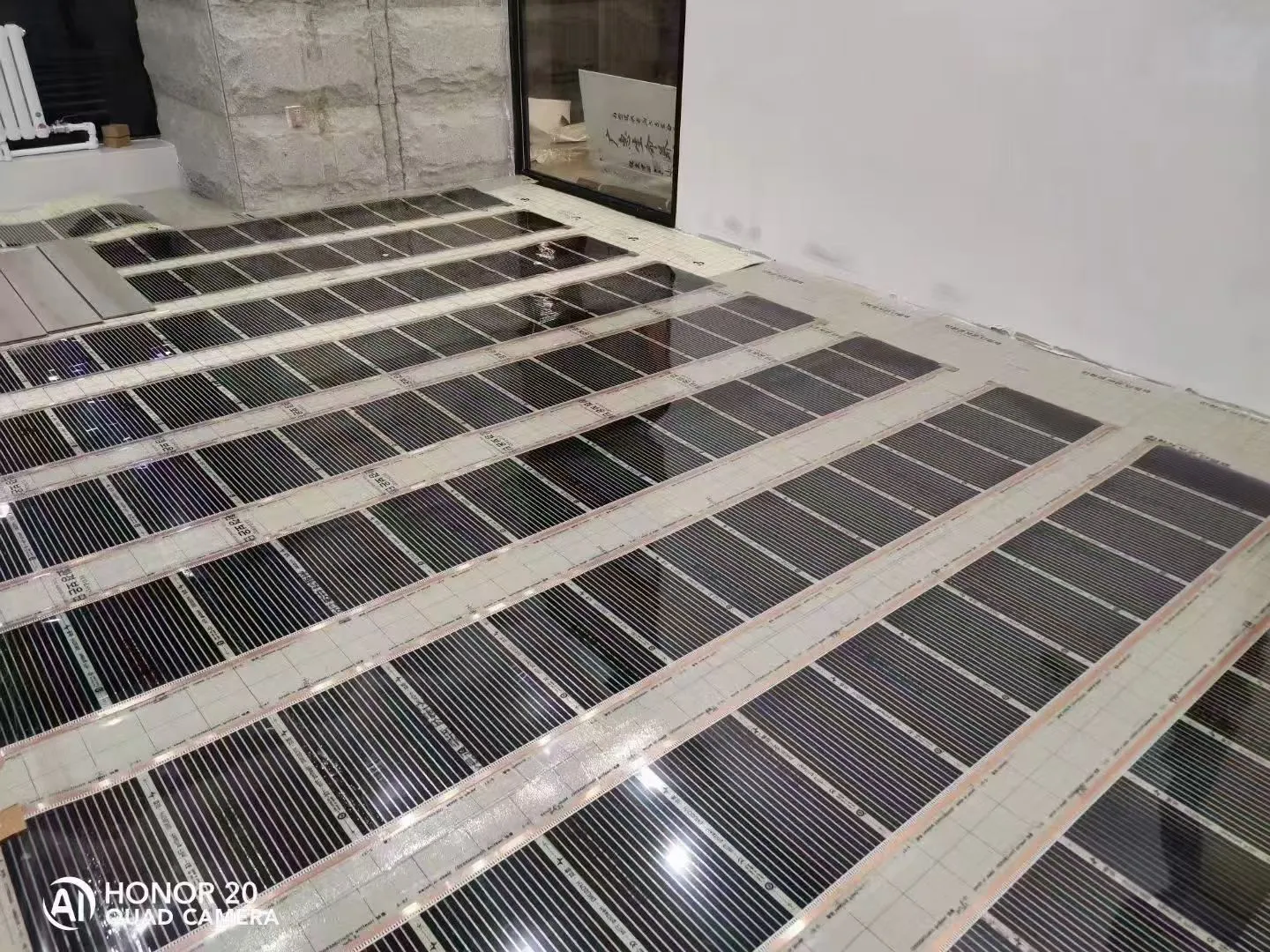
Draw the strip layout. Match roll width to room dimensions so busbars and cut marks land correctly and waste is measured before ordering.

03

Confirm voltage. Specify 110 V or 220–230 V build and check total circuit load against the thermostat or contactor rating.

04

Choose the construction. Bare, encapsulated or aluminum film according to waterproofing and floor-build requirements.

05

Sequence the install. Insulation, first-fix wiring, film, then floor finish; never cover the film before the circuit is tested.

05

Where it is the wrong choice

Heating film is the wrong answer where a floor or wall cannot be opened at all, where the room needs a very high peak output on a cold morning with no insulation, or where the buyer expects a heat pump coefficient of performance. A resistive film runs at about 1.0 efficiency, so it competes on comfort, thickness and retrofit ease, not on kilowatt-hour efficiency.

06

Questions we get asked

Can heating film be cut on site?

Yes, only along the marked cut lines where the copper busbars can be terminated. Cutting across a live element destroys the strip; the layout drawing sets the cut points.

Is it safe under wood and laminate?

Yes. The thermostat holds the floor at 27–28 °C, inside the limits for engineered wood, laminate and LVT, and the film is IP67 and EMF-shielded.

What density does a bathroom need?

Typically 180–200 W/m² to offset the higher heat loss, with a waterproof IP67 build and an RCD-protected circuit.

Does the film regulate its own temperature?

No. It is a resistive element; the thermostat provides the limit and setpoint. Running film without a controller is not a supported configuration.

How long does it last?

It carries a 15-year warranty and is rated for 15–25 years of service when installed to the specification.

Next step

Send the room schedule, floor build-up and available area. We return a strip layout, a load per circuit and a bill of materials before you order. Wall-specific cases are on the wall heating film hub; wide and custom rolls are listed on the product page.

Last reviewed November 2026. Specifications reflect the current factory datasheet; confirm values before ordering.