

Underfloor heating is often described as a fit-and-forget system, and while it is true that it requires far less maintenance than traditional radiators or forced-air systems, it is not entirely maintenance-free. A simple annual maintenance routine can keep your system running at peak efficiency for 20 years or more, preventing costly repairs and ensuring consistent comfort. This guide covers the essential maintenance tasks for both electric and water-based underfloor heating systems.
Written by Ethan Sun, Founder & CEO, SunAura Thermal. SunAura has manufactured electric underfloor heating elements at its Qingdao Huangdao factory since 2008, holding ISO 9001, ISO 14001 and ISO 45001 certifications, with CE, RoHS, LVD and EMC approvals on product lines exported to more than 50 countries.
Annual Maintenance for Electric Systems
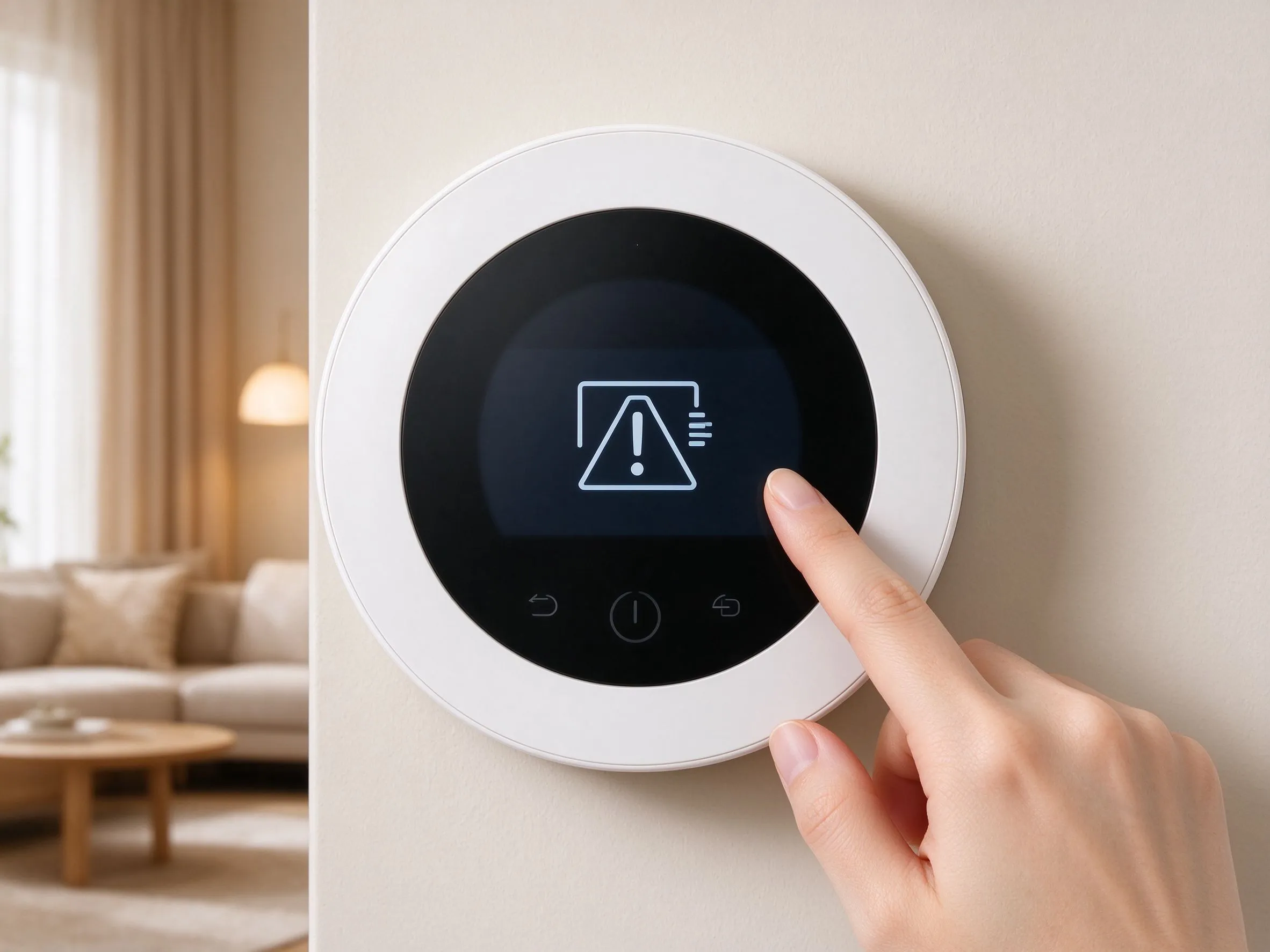
Electric underfloor heating systems require minimal maintenance, but an annual check can identify potential issues before they become problems. Start by visually inspecting the thermostat for any signs of damage or malfunction. Check that the display is functioning correctly and that all buttons or touch controls are responsive. Verify that the floor sensor is reading accurately by comparing the displayed floor temperature to an infrared thermometer reading. If there is a discrepancy greater than 2 degrees, recalibrate the sensor offset in the thermostat settings.
For WiFi-enabled thermostats, check for firmware updates through the companion app. Manufacturers regularly release updates that improve performance, add features, and address security vulnerabilities. Review the energy usage data in the app to identify any unusual patterns that might indicate a problem with the system. Compare current energy consumption to the same period in previous years to detect any efficiency degradation.
Annual Maintenance for Water-Based Systems
Water-based underfloor heating systems require more attention than electric systems due to the presence of circulating fluid. Check the system pressure on the manifold pressure gauge, which should be between 1.5 and 2.5 bar when cold. If the pressure has dropped, top up the system through the filling loop. Investigate the cause of any pressure loss, as it may indicate a leak in the system that requires professional attention.
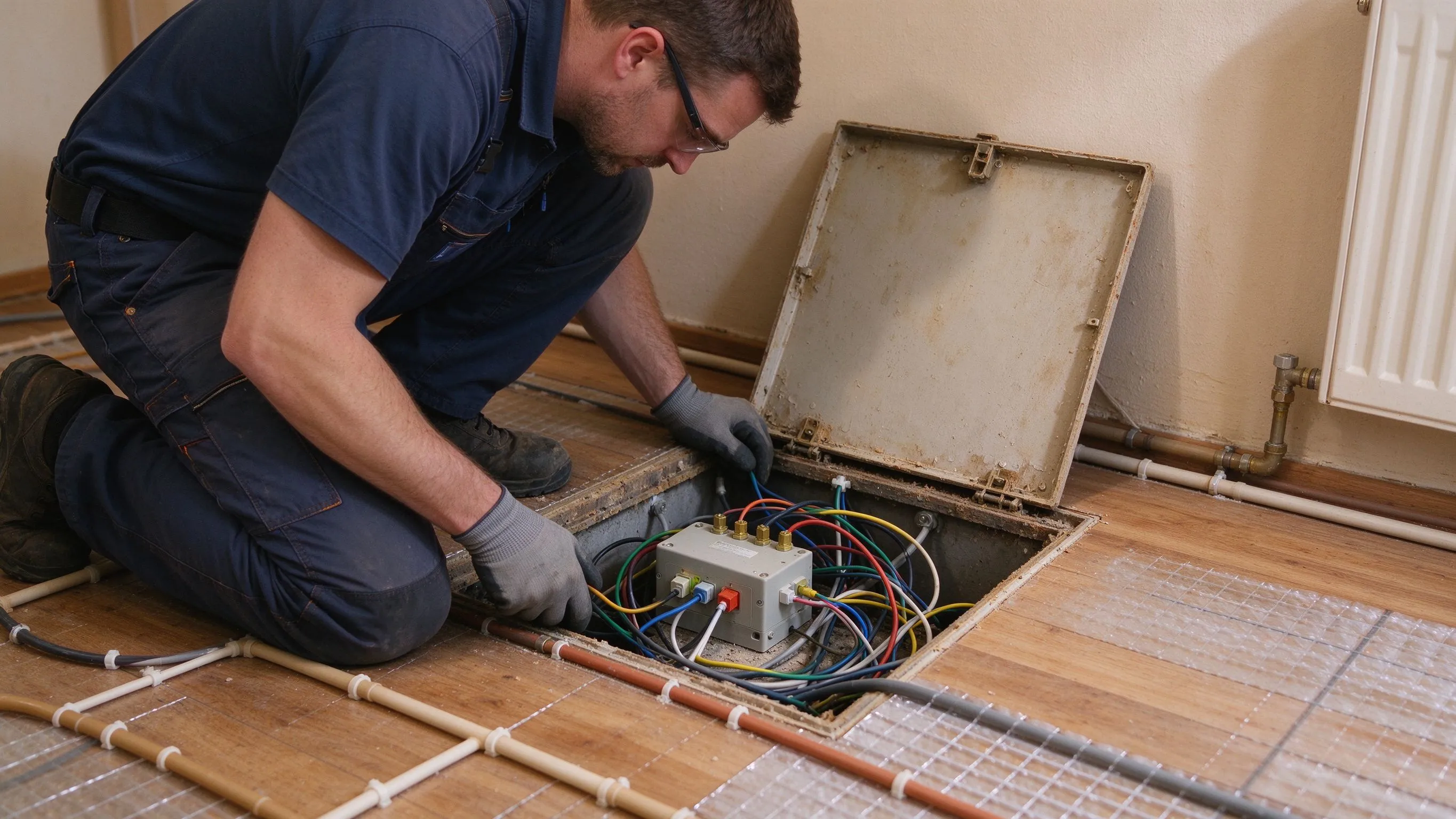
Inspect the manifold for any signs of leakage, corrosion, or damage. Check that all flow meters are reading correctly and that the valves operate smoothly. Operate each thermal actuator manually to verify that it opens and closes fully. Listen for any unusual noises from the circulation pump, which might indicate wear or air in the system. If the pump is making grinding or whining noises, it may need to be replaced.
Descaling and Water Treatment
In areas with hard water, limescale can accumulate in the heating circuits over time, reducing flow rates and heat output. If you notice reduced flow rates or uneven heating, descaling may be necessary. This should be performed by a qualified heating engineer using a power flushing machine and appropriate chemical cleaners. After descaling, add a corrosion inhibitor to the system water to prevent future scale formation and protect the internal components from corrosion.
Thermostat Software Updates
WiFi thermostats, like any connected device, benefit from regular software updates. These updates can improve energy efficiency through better algorithms, add new features such as integration with additional smart home platforms, and address security vulnerabilities. Check for updates through the thermostat companion app at least twice per year. If automatic updates are available, enable them to ensure your thermostat always runs the latest firmware.
Seasonal Preparation
Before the heating season begins, typically in early autumn, perform a system test. Set the thermostat to 25 degrees and verify that the floor warms up within the expected time frame. Check for any cold spots that might indicate a problem with a specific circuit or heating element. For water-based systems, bleed any air from the system using the air vents on the manifold. For electric systems, verify that the RCD trips correctly by pressing the test button.
When to Call a Professional
While most maintenance tasks can be performed by the homeowner, certain situations require professional attention. Contact a qualified technician if: the system fails to heat despite power being available, the circuit breaker or RCD trips repeatedly, there are visible signs of damage to the floor surface (cracking, lifting, or discoloration), the system pressure drops repeatedly despite topping up, or there are unusual noises from the manifold or pump. SunAura Thermal provides technical support and can recommend qualified service partners in your area.

Why Underfloor Heating Lasts 20 Years or More
The long service life of underfloor heating is not an accident of design. Electric heating elements are installed beneath the floor covering, sealed away from oxygen, UV light, foot traffic and cleaning chemicals, all of which age radiators and forced-air ductwork far faster. Per SunAura factory records, correctly installed heating mats and films have a design life of 25 to 30 years, with the most common failure point being not the element itself but the control electronics, which are accessible and replaceable without lifting the floor. This is a fundamentally different maintenance profile from a gas boiler, which typically requires a major service every year and a full replacement after 12 to 15 years. Water-based underfloor heating has a similar longevity, because the oxygen barrier in modern multilayer pipe prevents the internal corrosion that plagued older metal systems.
The key to reaching that design life is the annual check. A five-minute visual inspection of the thermostat, a quick sensor calibration, and a review of the energy dashboard catch the small drift that otherwise compounds into a failed winter. For background on why these systems are so durable, our article on how electric underfloor heating works explains the element construction that makes long service life possible. If you are sourcing spare controls or replacement sensors, our range of underfloor heating accessories includes the common thermostat modules, floor probes and connection kits installers keep on their vans.
Seasonal Maintenance Checklist
Working through a short checklist twice a year removes guesswork from underfloor heating maintenance. In early autumn, before the heating load begins, test the RCD, bleed the manifold on water-based systems, confirm the floor sensor reads within two degrees of an infrared thermometer, and walk the house marking any new cold spots. In late spring, after the heating season ends, switch the system to frost-protection mode, check the firmware version, and review the winter energy data to spot efficiency drift. Commercial and multi-occupancy buildings should also log each check in the building maintenance file, which supports warranty claims, insurance audits and handover to new owners or facilities managers.
For holiday homes and second residences, add one extra step: leave the system on a frost-protection schedule rather than switching it off completely. A frost setpoint of 7 degrees uses surprisingly little energy and protects against burst pipes and frozen floors, which are far more expensive than a whole winter of idle heating. Guidance from the US Department of Energy on thermostat setback and off-season operation aligns with this approach, and ASHRAE publishes reference intervals for inspection of hydronic and electric heating equipment.
Data and Evidence: Field Reliability from 17 Years of Manufacturing
At SunAura Thermal, our Qingdao Huangdao factory has produced electric underfloor heating elements since 2008. Per SunAura factory records, in-line resistance and insulation testing catches virtually all production defects before packing, and field returns attributable to element failure have remained below 0.5% over the last five years, with most returns traced to control electronics rather than the mat or film itself. This is why we offer long product warranties on the heating element itself, while treating the thermostat as a user-replaceable consumable. Buyers ordering multi-room projects can also take advantage of our volume pricing on electric underfloor heating systems and matching thermostat controls, which simplifies stocking spare controls for the building’s service life.
Common Maintenance Mistakes That Shorten System Life
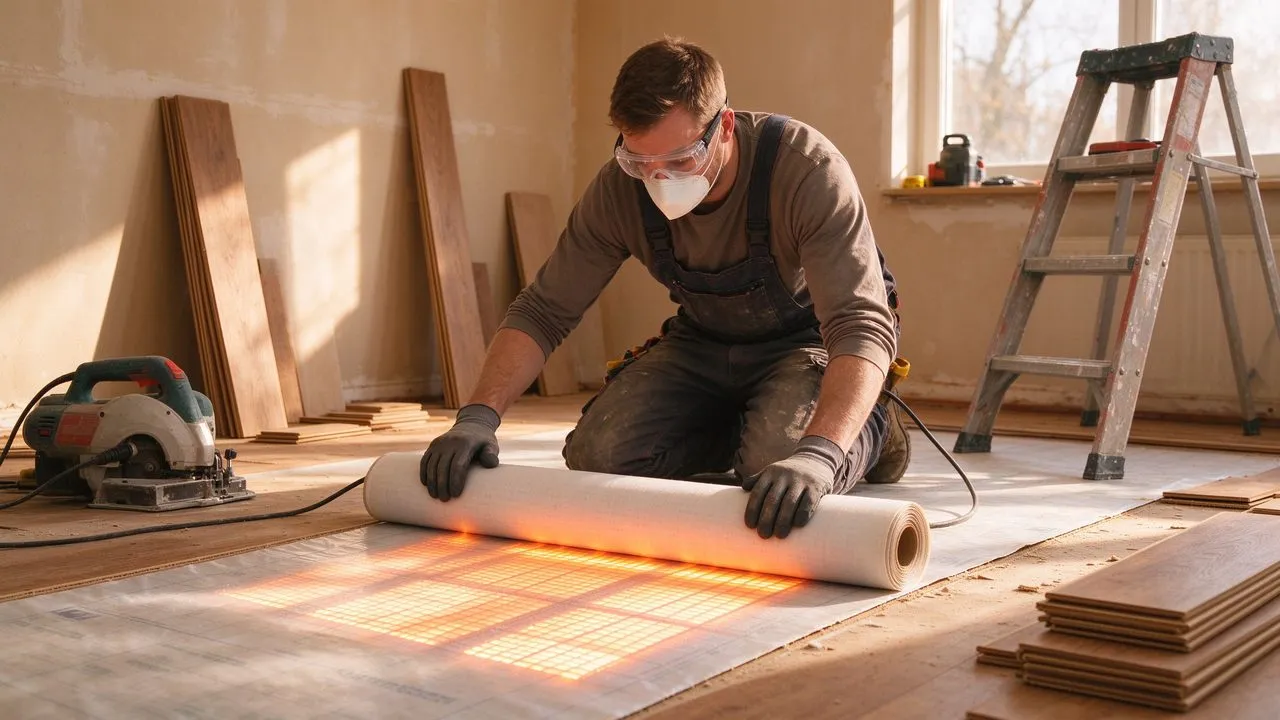
Most avoidable underfloor heating failures come from small maintenance errors rather than dramatic faults. The first is topping up a water-based system indefinitely without investigating the pressure drop. A slow pressure decline usually means a hidden leak, and repeatedly adding water only delays a flooded ceiling. The second is ignoring a noisy pump. Grinding or whining sounds are the pump’s bearings telling you they are wearing, and a seized pump in winter can overheat the boiler or cause the whole circuit to shut down. The third is using the wrong chemical when power flushing. Harsh acidic cleaners can attack the internal sealing compounds in a heating mat, creating a slow leak path that appears years later.
A fourth mistake is letting the thermostat battery (on battery-backed models) die mid-winter, which wipes the schedule and leaves the system running on a default comfort setpoint. A fifth is laying a new carpet or underlay without checking the tog rating; overly thick underlay can insulate the floor so effectively that the heating element runs longer to deliver the same room temperature. The sixth is disabling the floor sensor in favour of the air sensor, which quietly removes the safety limit that protects wood and laminate floors. None of these mistakes requires expensive tools to prevent, but all of them need an annual maintenance mindset to catch before they compound into a costly repair.
Frequently Asked Questions
How often does underfloor heating really need servicing? Electric underfloor heating needs an annual visual and sensor check that a homeowner can complete in under 15 minutes. Water-based systems need that same annual check plus a professional inspection of the manifold, pump and water chemistry every two to three years, with power flushing reserved for cases where flow rates have visibly dropped. There is no equivalent of the annual gas safety certificate for electric underfloor heating, because the system has no combustion flue and no fuel supply.
What is the typical lifespan of an electric underfloor heating element? Correctly installed heating mats and films have a design life of 25 to 30 years, and many installations from the early 2000s are still running. The most common replacement is the thermostat, which is user-serviceable and does not require lifting the floor. Per SunAura factory records, in-line resistance and insulation testing catches nearly all production defects before packing, and field returns attributable to the element itself have remained well below one percent over the last five years.
Can I replace a thermostat without draining or lifting the floor? Yes. The thermostat sits on the wall and connects to the circuit and floor sensor via standard terminals. Swapping a failed control is a 20-minute electrician job, and it is the reason we stock replacement modules as part of our accessories range. If you are upgrading from a basic non-programmable thermostat to a WiFi model, the existing wiring is almost always reused, so the upgrade does not require any disruption to the finished floor.
Why is my underfloor heating suddenly less efficient? Common causes include a drifting floor sensor, a thermostat running outdated firmware, an overwritten schedule, or, on water-based systems, air in the loop or limescale buildup. Our guide on electric underfloor heating troubleshooting walks through the most likely causes in order of ease to check. Efficiency drift can also appear if a new carpet or thick underlay has been laid, because the extra insulation slows the heat-up and forces the element to run longer for the same room temperature.
Should I turn off the heating when I go on holiday? Lower the setback rather than switching off. A frost-protection setpoint of 7 degrees uses minimal energy and protects against burst pipes, frozen floor sensors and condensation in the floor build-up. This is particularly important in holiday homes, where frozen pipe damage is a leading cause of insurance claims. For a long absence of more than two weeks, raise the geofence radius so the thermostat reliably stays in away mode while you travel, and leave a contact number on the thermostat screen or building file for a neighbour who can report a fault.
Conclusion
With proper maintenance, an underfloor heating system can provide 20-30 years of reliable, efficient service. The key is regular inspection, prompt attention to any issues, and professional servicing when needed. By following this maintenance guide, you can ensure that your SunAura Thermal heating system continues to deliver optimal comfort and efficiency throughout its long service life. For spare thermostats, floor sensors, connection kits or volume orders on replacement elements, our engineering team supports installers, distributors and OEM buyers across more than 50 export markets, and can provide recommended service partners in most European, Middle Eastern and Southeast Asian markets.
Related Products & OEM Inquiries
Looking for long-life underfloor heating you can maintain or a factory-direct OEM/ODM partner? Explore our complete electric underfloor heating systems, then request a quote for your project — we supply distributors, installers and brands in 50+ countries.