
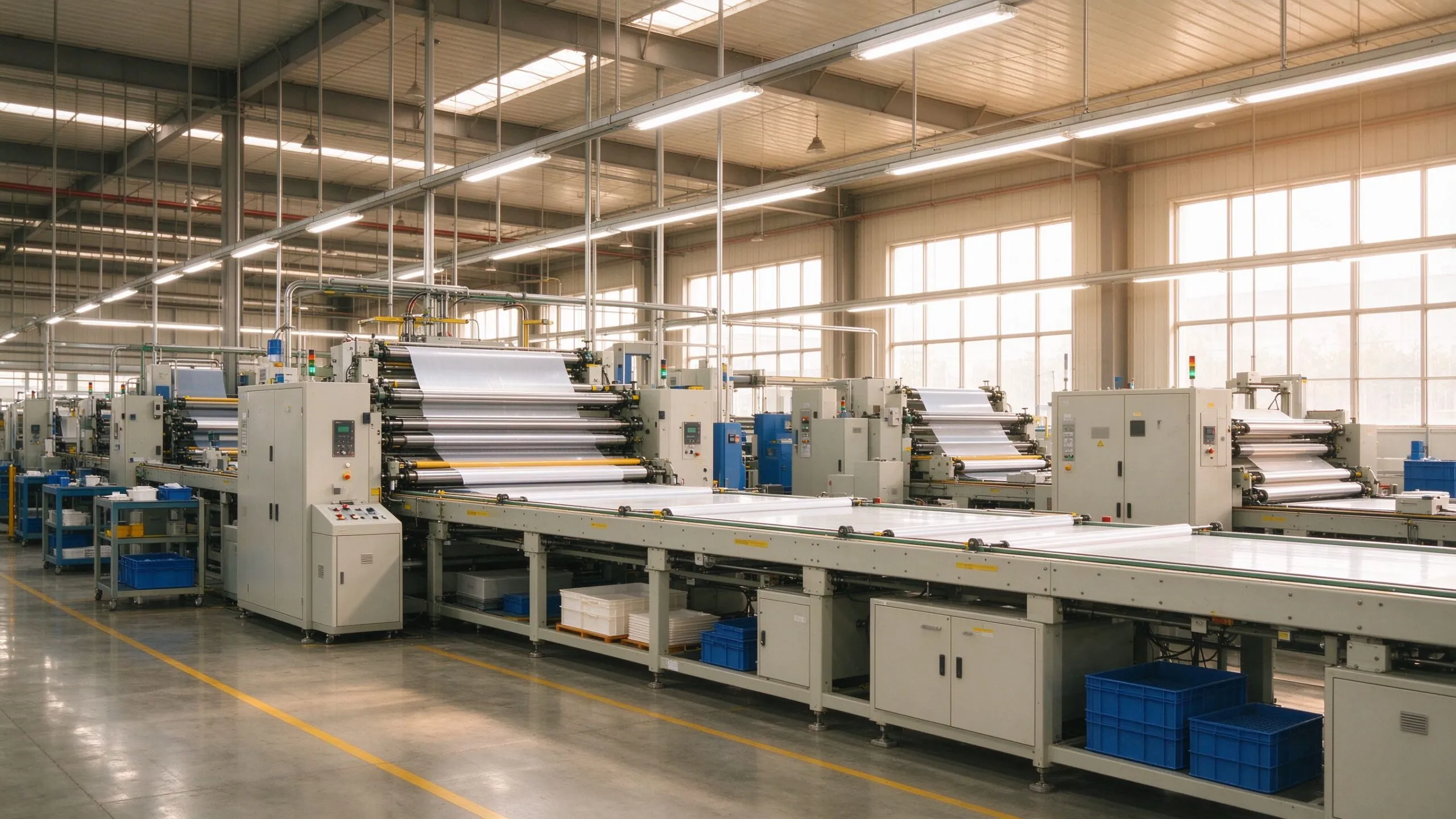
At SunAura Thermal, we believe that transparency is the foundation of trust. For over 17 years, our manufacturing facility has been at the heart of our commitment to quality, innovation, and customer satisfaction. This virtual factory tour takes you inside our production lines, quality control laboratories, and research facilities, showcasing the processes and people that make SunAura Thermal a globally trusted heating manufacturer.
Written by Ethan Sun, Founder & CEO, SunAura Thermal — running this Huangdao, Qingdao heating element factory since 2008 and shipping it to customers in 50+ countries.
Our Manufacturing Heritage
Founded in 2008, SunAura Thermal began as a small workshop producing electric heating cables for the domestic Chinese market. Over the past 17 years, we have grown into a comprehensive heating system manufacturer with a 15,000-square-meter production facility, employing over 200 skilled workers and engineers. Our product range has expanded from basic heating cables to include graphene heating film, electric heating mats, WiFi-enabled smart thermostats, manifold systems, and self-regulating heating cables.
Throughout our growth, we have maintained a steadfast commitment to quality. Every product that leaves our facility carries the CE mark, ISO 9001 certification, and relevant national certifications for the markets we serve. Our quality management system, certified to ISO 9001:2015, governs every aspect of our operations from raw material procurement through final product testing.
Graphene Heating Film Production Line
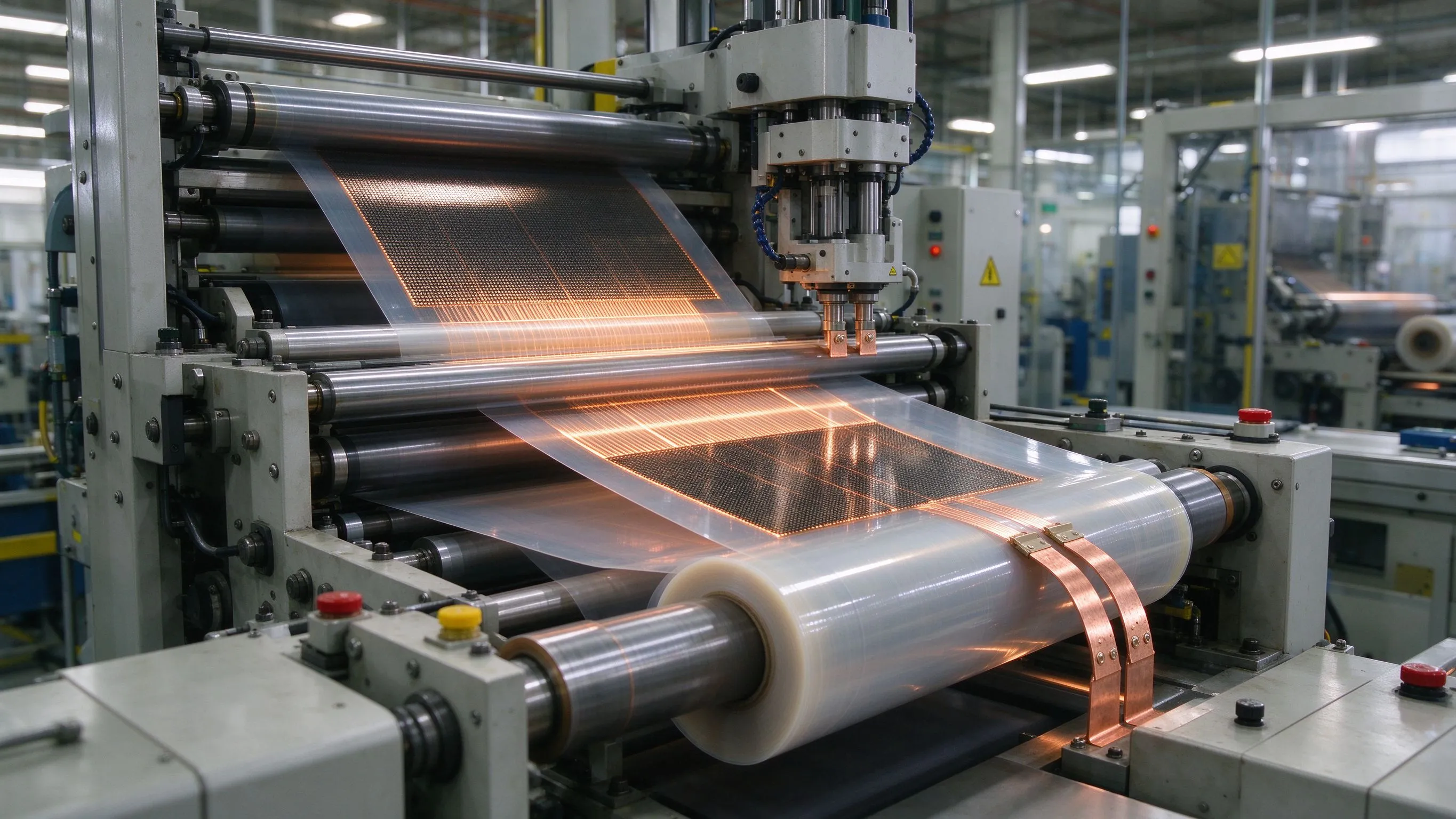
Our graphene heating film production line represents the cutting edge of heating technology manufacturing. The process begins with the formulation of the graphene-infused carbon polymer, which is mixed in precise proportions using automated mixing equipment. The polymer is then extruded onto a substrate film using a precision coating process that ensures uniform thickness and carbon distribution. Copper bus bars are applied using automated welding equipment, ensuring consistent electrical connections across the entire length of the film.
Each roll of heating film undergoes 100% electrical testing, with automated equipment measuring resistance at multiple points along the length. Thermal imaging cameras verify uniform heat distribution across the entire surface. Only films that pass all tests proceed to the lamination stage, where protective layers are applied to achieve the IP67 waterproof rating. The final product is then packaged with installation instructions and shipped to customers worldwide.
Heating Mat Assembly
Our heating mat assembly line combines automated cable production with manual quality inspection. The heating cable is produced on automated extrusion lines, where the inner conductor, insulation layers, and outer sheath are applied in a continuous process. The cable is then woven onto fiberglass mesh using automated spacing equipment, ensuring consistent cable spacing of 50-100mm as specified by the product design.
Each mat undergoes electrical continuity testing, insulation resistance testing, and visual inspection before packaging. Our testing protocols exceed the requirements of international standards, with 100% of products tested rather than statistical sampling. This ensures that every mat we ship meets the highest quality standards, backed by our 15-year warranty.
Thermostat Assembly and Testing
Our thermostat assembly facility produces both basic and WiFi-enabled smart thermostats. The assembly process includes surface mount technology (SMT) for circuit board production, automated casing assembly, and comprehensive functional testing. Each WiFi thermostat undergoes connectivity testing to verify reliable communication with smartphone apps and smart home platforms.
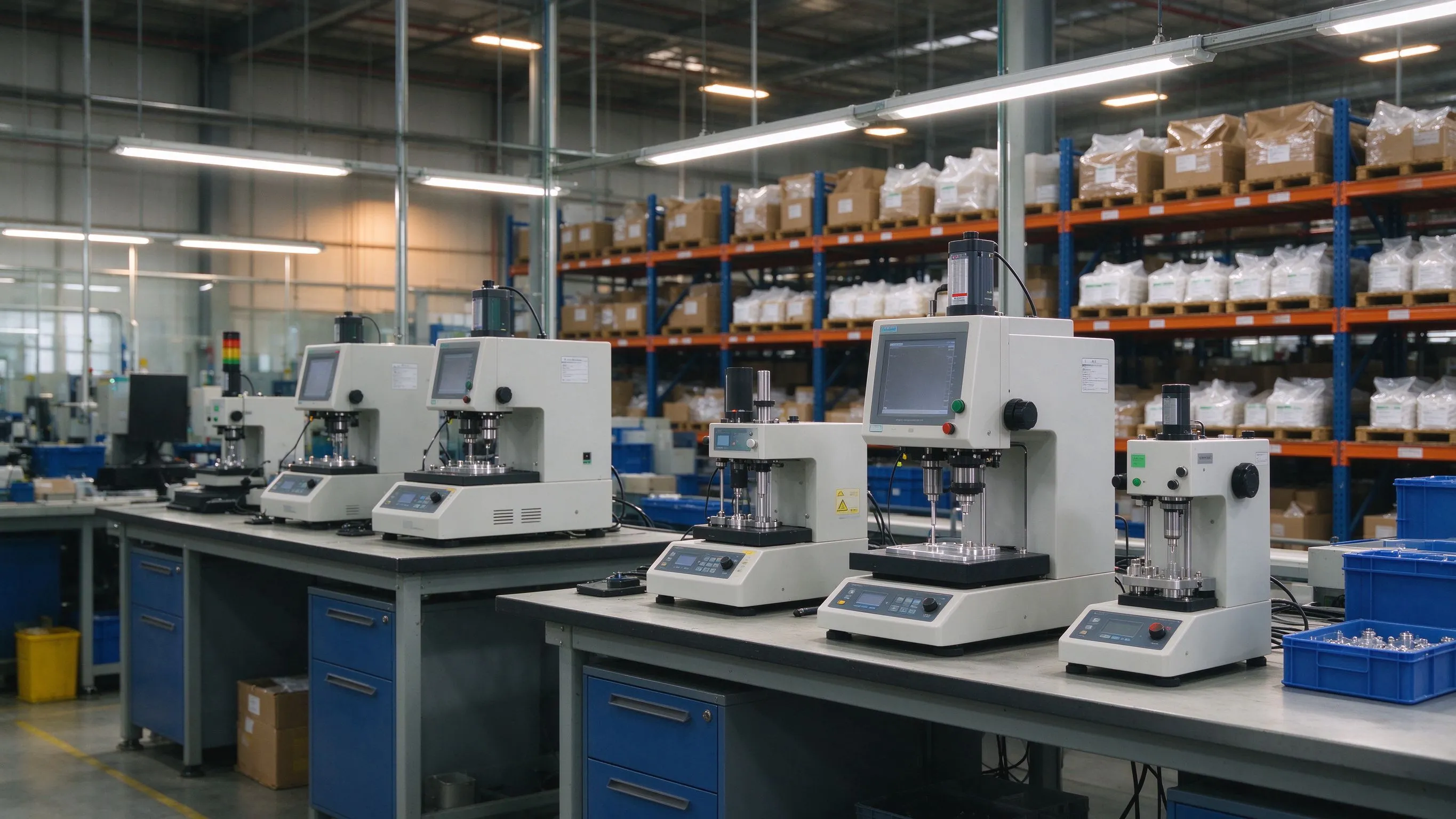
Our research and development laboratory is equipped with environmental chambers, thermal imaging equipment, and electrical testing instruments. Our engineers continuously work on improving product performance, developing new features, and ensuring compliance with evolving international standards. Recent R&D achievements include the development of our graphene heating film with IP67 rating and the integration of adaptive learning algorithms in our WiFi thermostats.
Quality Control and Certifications
Quality control is embedded in every stage of our manufacturing process. Our QC team, consisting of 15 dedicated inspectors, performs incoming material inspection, in-process quality checks, and final product testing. We maintain records of all test results for a minimum of 10 years, enabling full traceability of every product we manufacture.
Our facility holds ISO 9001:2015 certification for quality management, and our products carry CE certification for the European market, RoHS compliance for restricted substances, and EAC certification for the Eurasian Customs Union market. We are also in the process of obtaining UL certification for the North American market, further expanding our global reach.
Inside the Heating Element Production Process
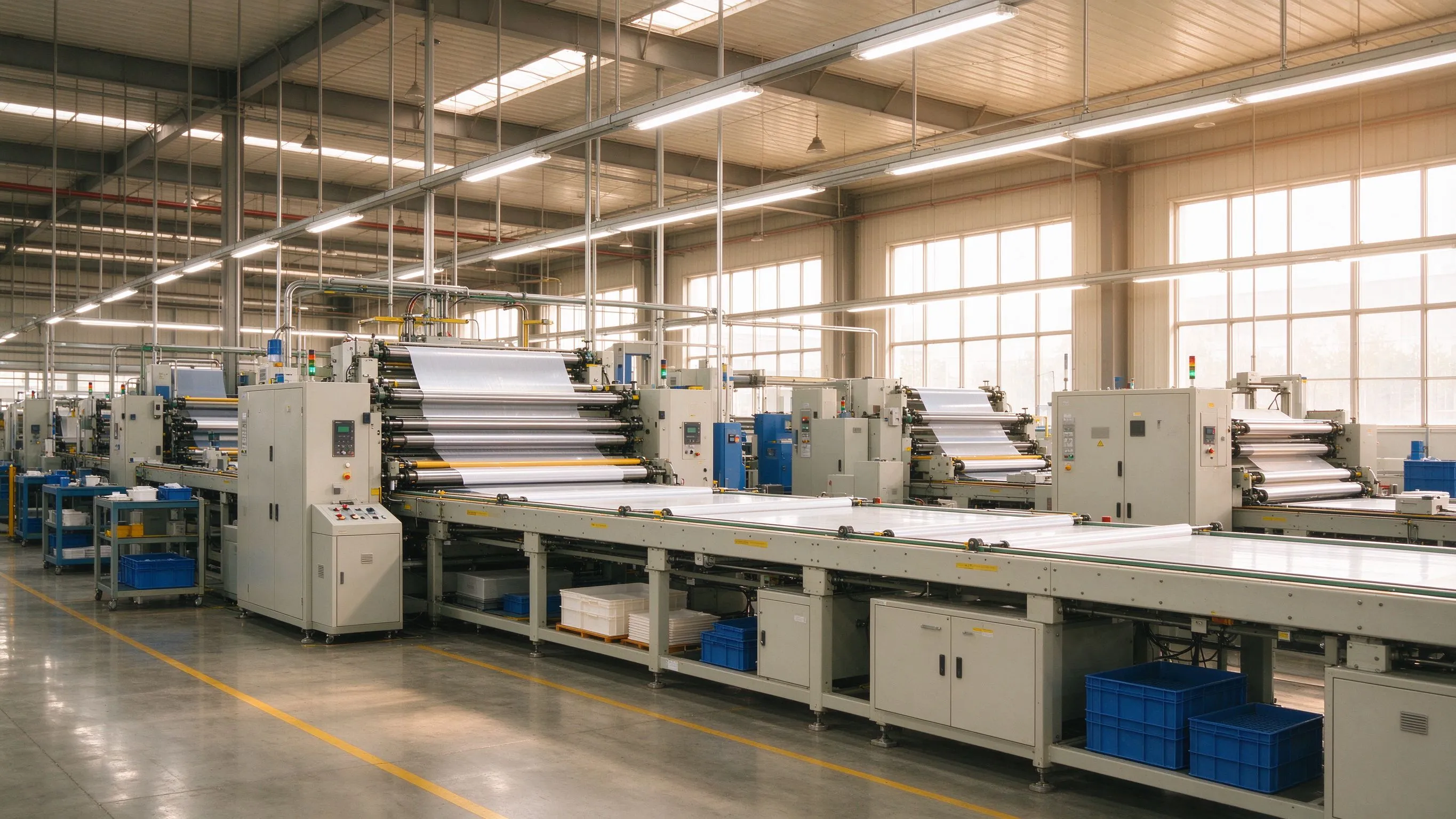
A heating element factory tour is best understood as a sequence of controlled transformations, not a single assembly line. Raw copper, polymer pellets, fibreglass mesh and NTC sensors arrive at the receiving bay and leave eight to fourteen days later as tested, packed graphene heating film rolls, wired electric heating mats and finished smart thermostats. Each transformation stage has its own incoming check, its own in-process check and its own final test, because a defect found at packing time is ten times cheaper than a defect found on a customer’s floor.
The polymer extrusion stage deserves special attention, because it is what separates a consistent element from an inconsistent one. The graphene-infused carbon paste is batched to a fixed resistivity, spread in a micron-controlled coating, and bonded to the PET substrate under tension. The copper busbar is then welded across the width, and only afterwards is the whole sheet laminated between insulating films. Every step is logged against the roll number, which is how we can trace any shipment back to the exact batch of raw material three years later.
How a Wholesale Order Moves Through the Plant
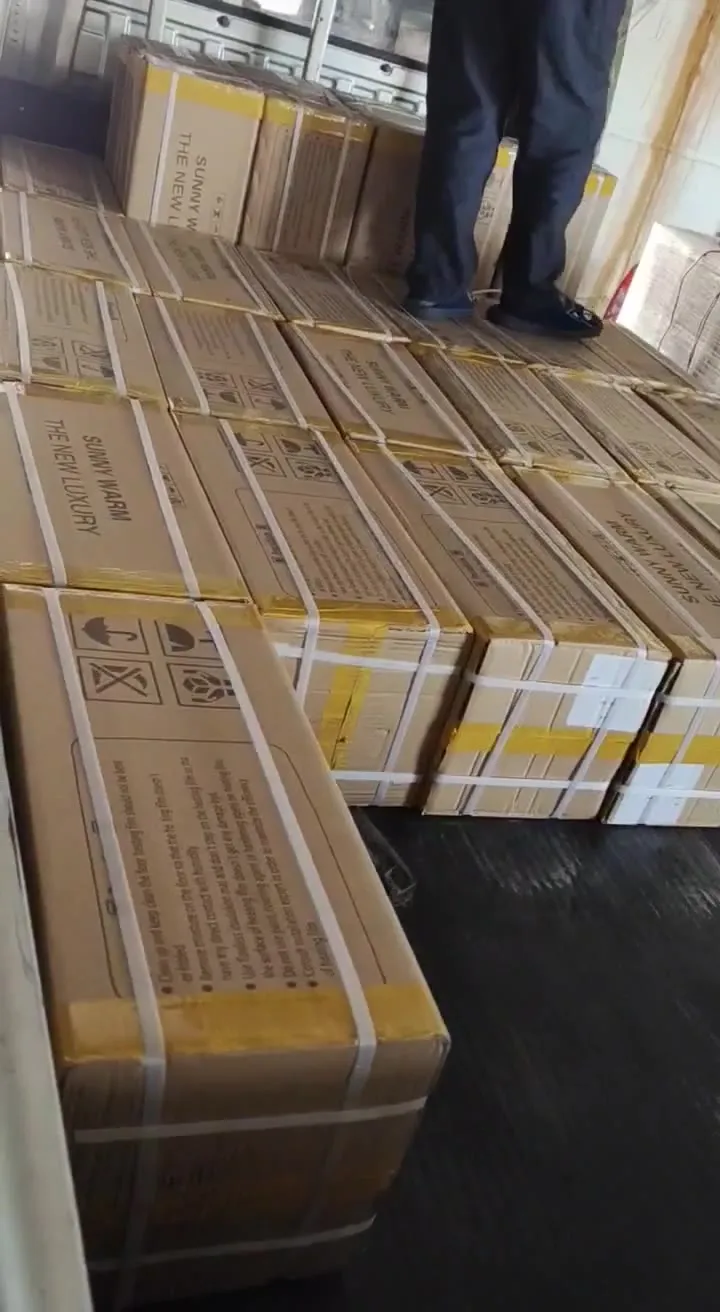
For buyers wondering what happens after they place a heating mat or film order, the internal route is predictable. Day one: the order is booked against stock or production slots, and the engineering team issues the zone layout drawing if the order is project-sized. Days two to five: elements are pulled from current production or finished-goods stock, and every roll or mat is re-tested for resistance and insulation before it touches a box. Day six: cabling, junction tails and thermostats are kitted together, packaging and private-label cartons are applied, and the load is palletised for the forwarder.
Standard lead time is 15-20 days by sea to major ports and 5-7 days by air for urgent replenishment (per SunAura factory records). MOQ is modest on the standard catalogue because we run continuous lines; custom ODM runs, private-label packaging and non-standard voltages carry a higher minimum and a longer lead time, which we quote explicitly rather than hide. Buyers asking for a heating element factory price or OEM programme should send the target wattage, voltage, dimensions and packaging requirements together — that lets the sales team price the correct line instead of a catalogue approximation.
Data and Evidence: Testing, Traceability and Certifications
The most useful thing a factory tour can show a buyer is the test rack, not the marketing corner. Our laboratory runs 100% electrical testing on finished elements — resistance, insulation withstand and leakage — and a sampled burn-in and thermal-imaging pass on each production lot. Test records are retained for a minimum of ten years, giving every shipped unit a traceable birth certificate. The wider performance context is public: the U.S. Department of Energy publishes guidance on how electric heating efficiency and controls cut site energy use, and ENERGY STAR documents the real-world savings from smart control strategies that our thermostat line implements.
Certifications on the wall are the shorthand for all of that testing. The facility operates under ISO 9001 quality, ISO 14001 environmental and ISO 45001 occupational safety management systems, and products ship CE, RoHS, LVD and EMC compliant for the European Economic Area (per SunAura factory records). We do not publish individual certificate numbers on the website — those are provided under NDA to distributors and at audit — but every shipment includes the applicable DoC and test reports in the parcel documentation.
What Buyers Should Check on a Factory Visit
If you ever walk the floor in person, skip the showroom and ask for five things: the incoming-material inspection log, the resistance-test rack, the environmental chamber running a humidity cycle, the wiring and assembly station where human hands still work, and the packing area where your future order will leave. Watch whether operators measure the same points the standard requires, and ask to see one rejected unit and the corrective-action record that followed it. That single visit tells you more than a hundred datasheets. Our separate article on factory testing and quality control for heating elements explains the same checks in writing, and buyers pairing elements with controls should look at our smart thermostat range.
Frequently Asked Questions
How long has SunAura Thermal been manufacturing heating elements? We were founded in 2008, which makes 2026 our seventeenth continuous year of production. What began as a small cable workshop is now a 15,000 m² plant in Qingdao’s Huangdao district with over 200 staff (per SunAura factory records).
Can I visit the factory before placing an order? Yes. We host customers, distributors and audit teams in Huangdao on request, and for overseas buyers who cannot travel we run a live video walkthrough of the extrusion, mat assembly, thermostat test and packing lines. Either format lets you inspect the test rack and traceability system before you commit.
Do you offer OEM and ODM manufacturing? We do both. OEM means we build to your specification and your brand; ODM means we adapt an existing design — wattage, size, voltage, connector, packaging — around your market. Minimum order quantities differ between the two, and volume discount bands are confirmed at quotation.
What is the standard lead time for a factory order? Standard catalogue items ship in 15-20 days by sea to major ports, or 5-7 days by air. Custom and private-label orders run longer, typically 30-45 days including tooling and certification paperwork, which we state explicitly in the proforma invoice.
How is quality proven on every unit rather than sampled? Finished elements pass a 100% electrical test before packing; statistical sampling is used only at the incoming-material and lot-approval stage. Because every unit is tested, we can back a long warranty with confidence rather than with hope (per SunAura factory records).
What certifications does the factory hold? The plant operates under ISO 9001 quality management, ISO 14001 environmental management and ISO 45001 occupational health and safety management. Finished products carry the CE mark and are RoHS, LVD and EMC compliant for the European Economic Area. Certification documents are provided to distributors and auditors under NDA rather than posted publicly (per SunAura factory records).
Do you supply spare parts and replacement thermostats? Yes. We keep spare heating tails, junction boxes, floor sensors and replacement wifi thermostats for the product families we ship, and the control platform is common across film, mat and cable ranges — so a partner stocking one thermostat family can service every SunAura installation in its market.
Why Manufacturing Transparency Matters in Heating Procurement
Buyers increasingly treat the factory itself as part of the product. A heating element lives under a floor for fifteen years, so the company that makes it has to be around in fifteen years. That is why procurement teams now ask about ownership history, line depth, R&D headcount and export breadth — not just unit price. Seventeen years of continuous operation, a single-plant footprint the buyer can actually visit, and an export record across 50+ countries are the signals that a supplier will still exist when the fifth warranty year arrives.
Transparency also de-risks the technical side. When a buyer knows how the copper busbar is welded, how the resistance is logged per roll, and how a rejected batch is quarantined, the conversation stops being a price negotiation and becomes an engineering partnership. For distributors this means fewer call-backs; for project contractors it means the underfloor heating system becomes a selling point rather than a risk on the schedule. That is the real return on taking the factory tour.
Can a buyer audit the factory before volume orders? Yes — audits are welcome, and the quality team will walk the incoming-material bay, the extrusion line, the mat assembly station, the thermostat test rack and the packing area, with every test log available on screen. A half-day visit is usually enough for a sourcing manager to decide whether the factory is a long-term partner or a one-off supplier.
Every product family on the floor today traces back to the same production philosophy: automate the repeatable, inspect the critical, document the rest. The buyer who understands that philosophy walks away with more than a price list — they walk away with a manufacturing partner they can build a brand on for the next decade.
Conclusion
Related Products & OEM Inquiries
Looking for a factory-direct manufacturing partner or a factory-direct OEM/ODM partner? Explore our our OEM/ODM manufacturing program, then request a quote for your project — we supply distributors, installers and brands in 50+ countries.